
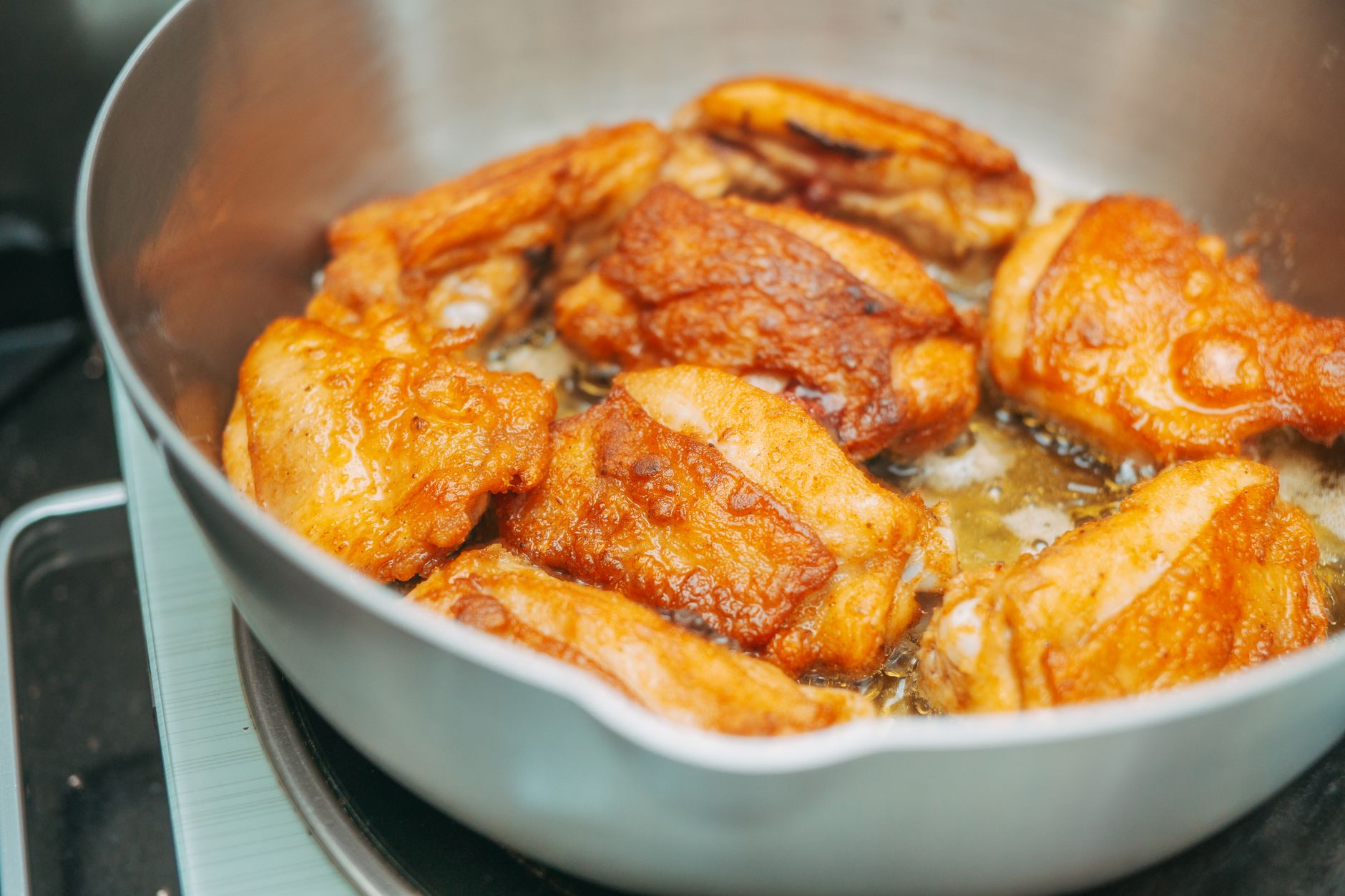
Chicken thighs are a popular choice for their rich flavor and juicy texture. Understanding the correct cooking temperature is essential to ensure they are both flavorful and safe to eat. This article will guide you through everything you need to know about cooking chicken thighs, including the ideal internal temperature, cooking methods, and tips for achieving perfect results every time.
Cooked properly, chicken thighs offer a succulent meal suitable for a wide range of dishes. This guide will address the specific temperatures for various cooking techniques, help you troubleshoot common issues, and provide insights on storage and reheating.
What Temp Does Chicken Thighs Need to Be?
The ideal internal temperature for chicken thighs is 165°F (74°C). This temperature ensures that the meat is fully cooked and safe to eat, eliminating harmful bacteria. It’s essential to use a food thermometer to check the temperature for accuracy, particularly at the thickest part of the thigh.
Why Temperature Matters
Cooking chicken thighs to the proper temperature is crucial not only for safety but also for texture and flavor. Cooking them to the right temperature ensures that they are juicy and tender without being dry or overcooked. Here are some reasons why understanding the correct temperature matters:
- Food Safety: Chicken is prone to bacteria such as Salmonella. A minimum internal temperature of 165°F is necessary to eradicate these harmful pathogens.
- Moisture Retention: Chicken thighs have more fat and connective tissue than chicken breasts, making them inherently juicier. Proper cooking keeps this moisture intact, resulting in flavorful meat.
- Texture: Overcooking chicken thighs can lead to a dry and tough texture. Keeping a close eye on the temperature helps in achieving perfect juiciness.
Cooking Methods and Ideal Temperatures
Chicken thighs can be cooked in various ways, such as baking, grilling, frying, and slow cooking. Each method has its nuances. Below are the common cooking methods with their recommended temperatures and times.
Baking
For baking chicken thighs in the oven, preheat to 400°F (204°C). Bake for 30 to 40 minutes, checking the internal temperature after around 25 minutes to ensure they reach 165°F.
- Preheat your oven to 400°F (204°C).
- Season your chicken thighs with your preferred spices and place them in a greased baking dish.
- Bake in the preheated oven for 30–40 minutes, depending on the size of the thighs.
- Use a meat thermometer to check the thickest part of the thigh for doneness. It should read 165°F (74°C).
- Let rest for five minutes before serving.
Grilling
Grilling chicken thighs gives them a delightful smoky flavor. You can grill them over medium heat (about 350°F or 175°C) for approximately 20 to 30 minutes. Turning them occasionally ensures even cooking.
- Preheat the grill to medium heat (about 350°F or 175°C).
- Season the chicken thighs and place them on the grill.
- Cook for about 20–30 minutes, flipping every 5 to 7 minutes.
- Check for doneness with a meat thermometer, ensuring it reaches at least 165°F (74°C).
- Remove from the grill and allow to rest before cutting.
Pan-frying
Pan-frying is great for achieving a crispy skin while keeping the meat tender. Cook chicken thighs over medium-high heat for about 20 to 25 minutes, flipping occasionally.
- Heat oil in a skillet over medium-high heat.
- Season the chicken thighs and place them skin-side down in the skillet.
- Cook for 10–12 minutes until the skin is golden brown, then flip.
- Continue to cook for another 10–13 minutes, checking that the internal temperature is at least 165°F (74°C).
- Remove from the skillet and let rest for a few minutes before serving.
Slow Cooking
Slow cooking is excellent for tender, pull-apart chicken thighs. Cook on low for 6 to 7 hours or on high for 3 to 4 hours. Use a thermometer to check that the internal temperature reaches 165°F.
- Season the chicken thighs and place them in the slow cooker.
- Add any desired liquids (broth, sauces, etc.) to enhance flavor.
- Cover and cook on low for 6–7 hours or high for 3–4 hours.
- Check for doneness with a meat thermometer, ensuring it reaches 165°F (74°C).
- Remove the thighs from the pot and let rest before serving.
Common Cooking Mistakes and Troubleshooting
Cooking chicken thighs may seem straightforward, but several common mistakes can affect your results. Here is a run-down of these mistakes and how to avoid them:
- Not Using a Thermometer: Relying on visual cues can be misleading. Always use a meat thermometer to ensure the correct internal temperature.
- Overcrowding the Pan: If you’re pan-frying or searing, avoid overcrowding the pan. This can reduce the temperature and prevent proper browning.
- Skipping Resting Time: Let chicken rest for a few minutes post-cooking. This allows juices to redistribute, enhancing flavor and moisture.
- Ignoring Skin Preparation: For crispy skin, pat the chicken dry before cooking and ensure your cooking surface is sufficiently preheated.
How to Store and Reheat Chicken Thighs
Proper storage and reheating are critical for maintaining the quality of your chicken thighs after cooking. Follow these guidelines:
Storage
To store leftover chicken thighs:
- Allow them to cool to room temperature before storing.
- Place the thighs in an airtight container or wrap them tightly in aluminum foil or plastic wrap.
- Refrigerate leftovers within two hours of cooking. They should be eaten within 3 to 4 days.
- For longer storage, freeze the chicken thighs. They can be stored in a freezer-safe container or bag for up to six months.
Reheating
When reheating, aim to bring the chicken thighs back to an internal temperature of 165°F (74°C) to ensure they are safe to eat.
- Oven: Preheat oven to 350°F (175°C) and cover the thighs with foil to prevent dryness. Heat for about 20-25 minutes.
- Microwave: Place in a microwave-safe container and cover. Heat on medium for 1-2 minutes, checking temperature regularly.
- Stovetop: Add to a skillet with a little water or broth, cover, and heat over medium until warmed through.
Flavoring and Seasoning Chicken Thighs
Another appealing factor of chicken thighs is their versatility in seasoning. Here are some popular flavoring options:
- Classic Herbs: Season with herbs like thyme, rosemary, or sage for a traditional flavor.
- Spicy: Incorporate spices like cayenne, paprika, or chili powder for a kick.
- Sauces: Marinate in BBQ sauce, teriyaki, or lemon-garlic for delicious results.
- Dry Rubs: Create a dry rub with a mix of sugar, salt, and spices like cumin for a flavorful crust.
Substitutions and Variations
If you find yourself short on certain ingredients or looking to experiment, consider these substitutions and variations:
- Skinless Thighs: If you prefer less fat, skinless thighs will still yield great flavor, although the texture may be slightly different.
- Bone-in vs. Boneless: Both can be cooked using the same techniques, but boneless thighs generally cook faster.
- Herbs and Spices: If you don’t have specific herbs, experiment with whatever you have on hand; just be cautious with salt levels in substitutions.
Cooking Chicken Thighs for Special Diets
Chicken thighs can easily fit various dietary preferences. Here’s how to adapt them:
Low-Carb & Keto
Chicken thighs are naturally low in carbs, making them perfect for keto diets. Pair them with low-carb vegetables like broccoli or zucchini.
Paleo
For a Paleo diet, avoid breads or grains and focus on seasoning thighs with natural ingredients, such as herbs, garlic, and seasonal vegetables.
Gluten-Free
Chicken thighs are naturally gluten-free, so simply ensure any marinades or sauces do not contain glutenous ingredients.
Conclusion
Chicken thighs are a delicious and versatile protein that can be cooked in various ways. By ensuring you cook them to an internal temperature of 165°F (74°C), you can enjoy their tenderness without compromising safety. Explore various cooking methods and seasoning options to find the perfect fit for your palate.
For additional guidance, consider checking out our articles on how long to air fry boneless skinless chicken thighs and how long to smoke chicken thighs for more delicious cooking techniques.