
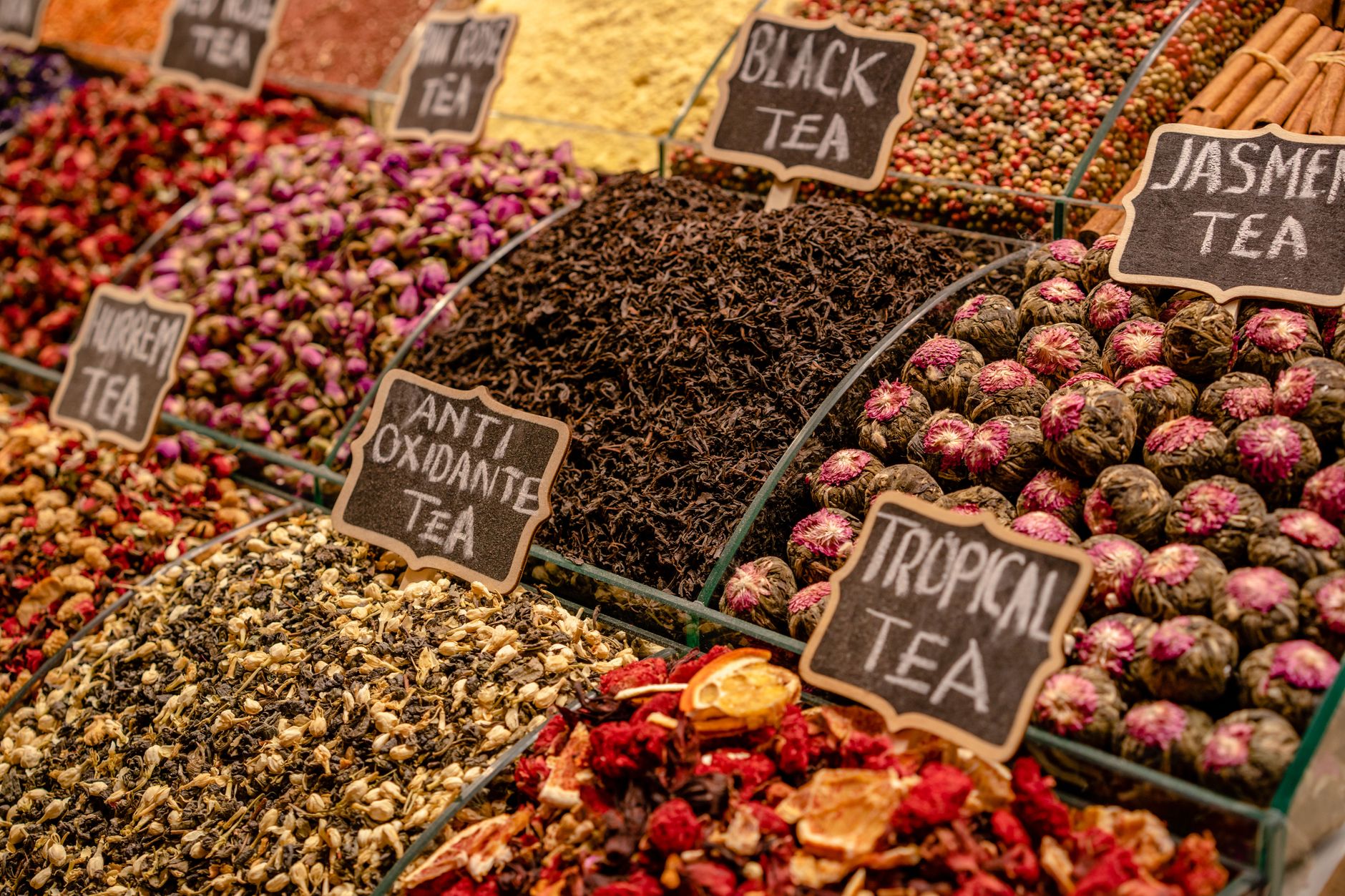
When selecting a tea based on caffeine content, many consumers are looking for beverages that provide a soothing experience without the jitters associated with higher caffeine levels. This inquiry leads us to consider various tea types, their preparation methods, and serving sizes. Understanding which teas contain the least caffeine can help you enjoy your favorite brews without overwhelming your system.
In this guide, we will explore the teas that typically have the least caffeine, including herbal options, processing methods, and factors that affect caffeine content. You’ll gain insight into appropriate serving sizes and practical tips for choosing low-caffeine teas that suit your needs.
What Tea Has the Least Caffeine?
The tea with the least caffeine is generally herbal tea, which is made from a variety of plants other than the Camellia sinensis plant, from which traditional teas are derived. Herbal teas, such as chamomile, peppermint, and rooibos, are naturally caffeine-free. Among traditional teas, white tea and green tea contain the least caffeine, with lower amounts compared to black tea and oolong.
Understanding Caffeine in Tea
Caffeine levels in tea can vary significantly due to several factors, such as the type of tea leaves used, how they are processed, and brewing time and temperature. Here’s a deeper look into these aspects:
Types of Tea Plants
All true teas come from the Camellia sinensis plant and include black, green, oolong, and white teas. The caffeine content in these teas is generally categorized as follows:
- Black Tea: 40-70 mg of caffeine per 8 oz serving.
- Oolong Tea: 30-50 mg of caffeine per 8 oz serving.
- Green Tea: 20-45 mg of caffeine per 8 oz serving.
- White Tea: 15-30 mg of caffeine per 8 oz serving.
Herbal Teas
Herbal teas deviate from traditional teas as they utilize a range of fruits, flowers, herbs, and spices. Most herbal options are naturally free of caffeine, which makes them a perfect choice for sensitive individuals or those looking to minimize caffeine intake. Some popular herbal teas include:
- Chamomile: Known for its calming properties, chamomile is caffeine-free and often consumed before bedtime.
- Peppermint: Refreshing and invigorating, peppermint tea is another caffeine-free choice.
- Rooibos: A South African herbal tea that provides a naturally sweet and slightly nutty flavor, rooibos is also caffeine-free.
- Hibiscus: This tart, fruity tea is rich in antioxidants and caffeine-free.
Factors Affecting Caffeine Content
A variety of factors contribute to the caffeine concentration in tea:
- Processing Method: The way tea leaves are processed influences their caffeine levels. Generally, the less processed the tea leaves are (like with white tea), the lower the caffeine content.
- Brewing Time: Longer steeping times will increase the caffeine content of the brewed tea. A steeping time of 1-3 minutes for white or green tea will yield a lower caffeine concentration compared to steeping for 5-7 minutes.
- Water Temperature: Hotter water generally extracts caffeine more effectively. For this reason, tea brewed with boiling water tends to have a higher caffeine content than tea brewed with cooler water.
Caffeine Content Table
| Type of Tea | Caffeine (mg per 8 oz) | Notes |
|---|---|---|
| Black Tea | 40-70 | Highest caffeine among true teas. |
| Oolong Tea | 30-50 | Partially oxidized; moderate caffeine content. |
| Green Tea | 20-45 | Mild and refreshing; lower caffeine. |
| White Tea | 15-30 | Least processed and lowest caffeine. |
| Herbal Teas | 0 | Completely caffeine-free. |
Popular Low-Caffeine Teas and Their Benefits
When choosing teas with low caffeine, numerous options can suit various tastes and health benefits. Here we explore some of the most popular low-caffeine teas:
1. White Tea
White tea is made from the young leaves and buds of the tea plant, providing a delicate flavor and subtle sweetness. It’s rich in antioxidants, which may benefit overall health.
2. Green Tea
Green tea is renowned for its numerous health benefits, including potential metabolism-boosting effects. The caffeine content is moderate, making it a suitable choice for those looking for a gentle pick-me-up.
3. Herbal Teas
As mentioned, herbal teas such as chamomile and peppermint are excellent alternatives to caffeinated beverages. They provide a wide range of flavors and potential health benefits, such as improved digestion, relaxation, and inflammation reduction.
4. Rooibos Tea
Rooibos tea is unique because it is derived from a plant native to South Africa. It is rich in antioxidants and minerals and brings a rich, slightly sweet flavor due to its natural compounds.
5. Jasmine Tea
Jasmine tea combines green tea with jasmine flowers, creating a soothing and aromatic beverage. Its caffeine content is generally lower than traditional black tea, while still offering a lovely floral taste.
Preparing Low-Caffeine Tea
To maximize the benefits and flavor of low-caffeine teas, pay attention to the preparation method:
Brewing Tips
- Select Quality Tea Leaves: Whether using loose leaves or teabags, choose high-quality products. The freshness of the tea greatly impacts flavor.
- Use the Right Water Temperature: Different teas require specific water temperatures for optimal flavor. For instance, white tea should be brewed at lower temperatures (160-185°F), while green tea is best brewed at 175-185°F.
- Set Appropriate Steeping Time: Steep white tea for 4-5 minutes, green tea for 2-3 minutes, and herbal teas can steep for 5-7 minutes based on preference.
- Experiment with Flavors: Try adding lemon, honey, or spices to enhance the taste of your herbal teas.
Common Mistakes in Brewing Low-Caffeine Tea
- Oversteeping: This can lead to bitterness, especially in lower-caffeine green and white teas.
- Using Boiling Water: Black tea benefits from boiling water, but delicate teas like white and green require cooler temperatures.
Serving Sizes and Consumption Guidelines
Considering the caffeine content and flavor profiles, serving sizes should be adjusted depending on the tea type:
Serving Size Guidelines
- Black Tea: Aim for one tea bag or 1-2 teaspoons of loose leaf tea per 8 oz of water.
- Green and White Tea: Use 1-2 teaspoons of loose leaf tea or one tea bag per 8 oz of water.
- Herbal Tea: One tea bag or 2 teaspoons of loose leaf tea is suitable for an 8 oz serving, with optional additional steeping for more flavor.
Potential Health Considerations
Low-caffeine teas can have several benefits but also bear some considerations:
- Herbal teas, while caffeine-free, can interact with medications or allergies; consult with a healthcare provider if in doubt.
- Moderate consumption of caffeinated teas, such as green and white, is usually safe for most adults.
Storing Tea for Optimal Freshness
To ensure your tea maintains its flavor and freshness:
- Keep in a Cool, Dark Place: Store tea in an opaque container away from heat and sunlight.
- Seal Tight: Ensure the container is airtight to prevent moisture and odor contamination.
- Use Within a Reasonable Time: Loose leaf teas and quality bags should ideally be consumed within 6-12 months of purchase for optimal flavor.
Tea Pairing Suggestions
Low-caffeine teas can complement various meals and snacks:
- White Tea: Pairs well with light desserts, salads, and delicate fish.
- Green Tea: Complements sushi, salads, and fruit-based desserts.
- Herbal Teas: Chamomile is excellent with pastries, while rooibos can shine alongside chocolate-based treats.
Summary of Low-Caffeine Teas for Enjoyment
Choosing teas with lower caffeine content opens a world of flavor without the adverse effects of high caffeine consumption. Whether opting for refreshing herbal tea or milder white and green tea, each option provides unique flavors and potential health benefits. Remember to consider your brewing methods, serving sizes, and even meal pairings to elevate your tea experience.
Explore the world of low-caffeine teas and find which varieties resonate most with your taste preferences. Check out this guide on the difference between bleached and unbleached flour and learn about the caffeine content in chai tea here: how much caffeine is in chai tea.