
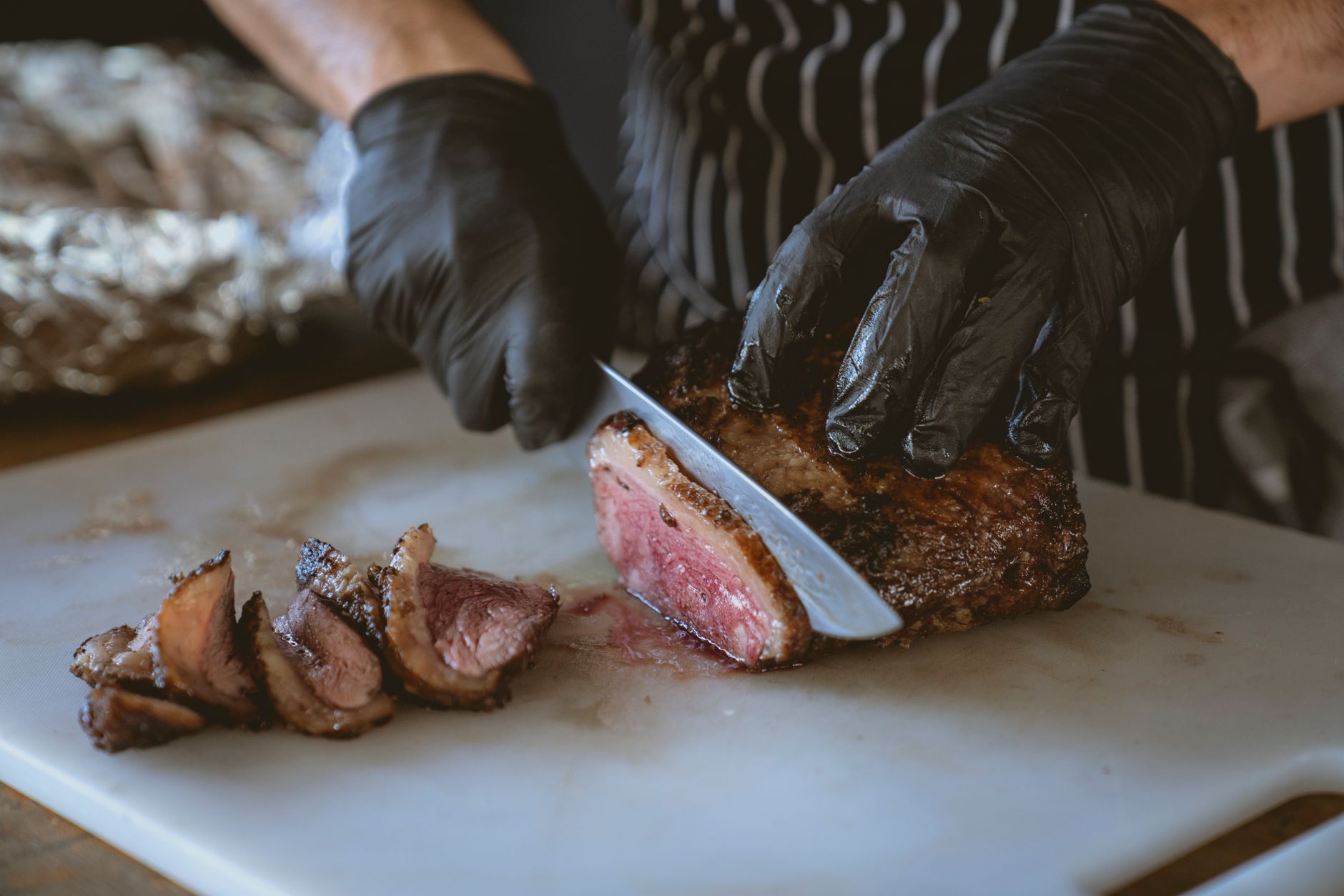
The porterhouse steak is a classic cut of beef that is both tender and flavorful, making it a favorite among steak lovers. Known for its large size and distinct shape, it is essentially a two-in-one steak, offering both a tenderloin and a strip steak in one cut. Understanding what steaks make up a porterhouse is essential for cooks looking to master this culinary delight and impress guests at their next meal.
This article dives deep into the delicious world of porterhouse steaks, detailing their structure, flavor, cooking methods, and practical uses in cooking. Whether you’re planning a special dinner or simply looking to understand your favorite cut of steak a little better, this guide will provide you with everything you need to know.
What Steaks Are in a Porterhouse?
The porterhouse steak includes two distinct steaks: the tenderloin (or filet) on one side of the bone and the strip steak (or New York strip) on the other side. The size difference between these two sections sets the porterhouse apart from the T-bone steak, which also contains both cuts but has a smaller tenderloin portion. The porterhouse tends to be larger, typically about 1.5 to 2 inches thick and weighing around 2 to 3 pounds.
Understanding the Structure of a Porterhouse Steak
A porterhouse steak is cut from the rear end of the short loin, where the tenderloin is at its largest. To fully appreciate this cut, it’s essential to understand the anatomy of the steak:
- Tenderloin: This is the smaller portion found on the bone’s inner side. Known for its tenderness, it has a silky texture and mild flavor.
- Strip Steak (New York Strip): Located on the outer side of the bone, this portion is larger and offers a firmer texture with a more robust flavor than the tenderloin.
- Bone: The T-shaped bone dividing the two cuts gives the porterhouse its iconic shape, helping to enhance flavor during cooking.
Flavor Profile and Cooking Methods
The flavor of a porterhouse steak is influenced by several factors including its marbling, which provides moisture and richness during cooking. Given its unique composition, this steak can be cooked using various methods, each enhancing its flavors in different ways.
Cooking Techniques
Here are the most popular cooking methods for preparing porterhouse steaks:
- Grilling: This is perhaps the most traditional method. High heat creates a beautiful sear on the outside while keeping the inside juicy.
- Broiling: Similar to grilling but done in the oven, broiling can achieve an excellent crust on the steak.
- Pan-Seering: Using a cast iron skillet is ideal for getting a good sear. After searing, finishing in the oven can achieve the desired doneness.
- Reverse Searing: This method involves cooking the steak slowly at a low temperature before searing it. This results in even cooking and a tender, juicy steak.
How to Cook a Porterhouse Steak Perfectly
To achieve the best results when cooking a porterhouse steak, follow this step-by-step guide:
Essential Equipment
- Cast iron skillet or grill
- Tongs
- Meat thermometer
- Extra virgin olive oil or butter
- Salt and pepper
Step-by-Step Cooking Process
- Preparation: Remove the porterhouse steak from the refrigerator and let it rest at room temperature for about 30-45 minutes to allow it to cook evenly.
- Seasoning: Generously season both sides with salt and pepper. You can add garlic powder or a rub if desired.
- Preheat Grill/Skillet: Heat your grill or cast iron skillet over high heat until it’s extremely hot.
- Add Oil: Lightly coat the skillet with oil or add a pat of butter on the grill just before adding the steak to prevent sticking.
- Cook: Place the steak on the skillet or grill. For medium-rare, cook for about 4-5 minutes on each side for a 1.5-inch steak. Adjust the time for your preferred doneness, checking the temperature with a meat thermometer.
- Use the Thermometer: Check the internal temperature. For medium-rare, it should reach 130°F to 135°F.
- Resting: Once cooked, remove the steak and let it rest for about 10 minutes to allow the juices to redistribute.
- Serve: Slice against the grain and serve with your choice of sides.
Common Mistakes and Troubleshooting
Cooking a porterhouse steak can seem daunting, but avoiding a few common pitfalls can ensure fantastic results:
- Not letting the steak rest: Skipping the resting step after cooking can lead to dry steak as the juices will run out when cut.
- Undercooking or overcooking: Always use a meat thermometer to confirm doneness to prevent guessing.
- Not allowing the steak to warm up: Cooking a cold steak can result in uneven cooking, so bring it to room temperature before cooking.
- Neglecting seasoning: Ensure your steak is seasoned well; simply salt and pepper can enhance its natural flavors immensely.
Substitutions and Variations
If you cannot find a porterhouse steak or wish to use another cut, consider these alternatives:
- T-Bone Steak: Similar in structure, but smaller in tenderloin size. It offers a comparable flavor.
- Bone-in Ribeye: Richer flavor due to more marbling, though with a different texture compared to the tenderloin portion of a porterhouse.
- Filet Mignon and Strip Steak Combo: Purchase and cook separately. While this requires two cuts, it mimics the flavors of a porterhouse.
Serving Suggestions
Porterhouse steak pairs excellently with a variety of sides, condiments, and wines. Here are some ideas:
- Sides: Classic steakhouse sides like mashed potatoes, roasted Brussels sprouts, or creamy coleslaw work beautifully. Grilled vegetables or a fresh arugula salad can add balance.
- Condiments: Consider serving with chimichurri or peppercorn sauce for added flavor.
- Wine Pairings: Red wines such as Cabernet Sauvignon or Malbec complement the richness of the steak.
Storing and Reheating Porterhouse Steak
If you find yourself with leftover porterhouse steak, proper storage ensures you can enjoy it again later. Here’s how:
- Refrigeration: Wrap the leftover steak tightly in aluminum foil or plastic wrap and place it in the refrigerator. It should stay fresh for up to 3-4 days.
- Freezing: For longer storage, freeze the steak wrapped tightly in plastic wrap, then place it in an airtight container. It can last up to 6 months in the freezer.
- Reheating: To reheat, use the oven or skillet method. Preheat the oven to 250°F, place the steak on a baking sheet, and heat until warmed through. This will help keep it moist.
Conclusion
A porterhouse steak is a remarkable and delicious cut that allows you to enjoy two premium steak cuts in one. Understanding its anatomy and how to cook it properly can elevate your dining experience and impress your guests. Whether you grill it for a summer barbecue or prepare it for a romantic dinner, mastering the porterhouse opens the door to a delightful culinary adventure.
For more delicious recipes and cooking tips, check out our Delmonico Steak Recipe or T-Bone Steak Recipe for additional steak inspirations.