
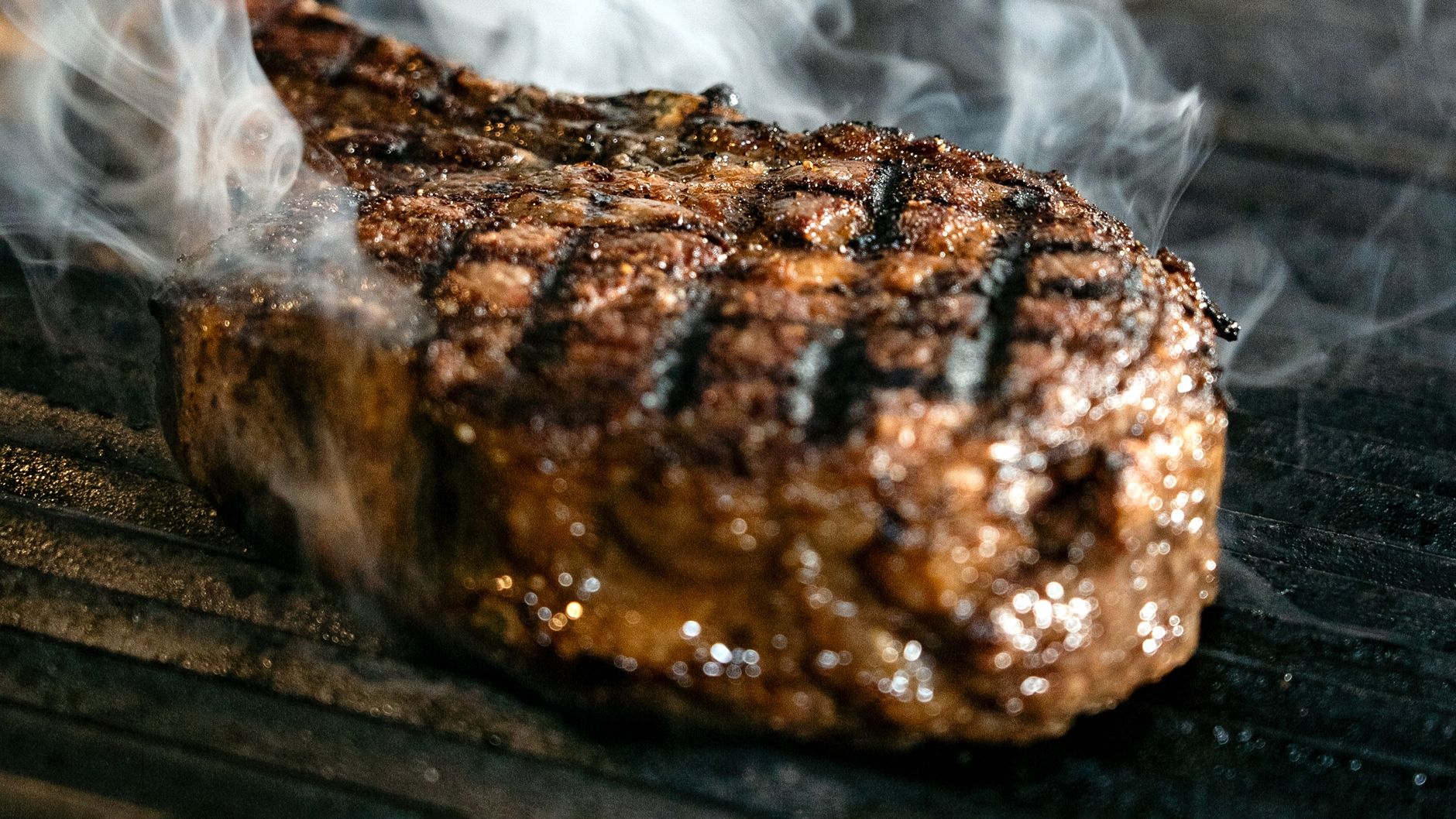
For many steak enthusiasts, the cut of meat often determines not just flavor, but also cooking method and the overall dining experience. One critical consideration in choosing steak is the fat content. The amount of fat in steak can enhance juiciness and flavor while impacting texture as well. Understanding which steak has the most fat can help you select the perfect cut for your cooking needs.
In this guide, we will explore various cuts of steak known for their fat content, the qualities that make these sweeter, richer cuts desirable, and how to choose and prepare them for the best results. Whether you are grilling, pan-searing, or roasting, understanding fat content can take your steaking skills to the next level.
What Steak Has the Most Fat?
The steak with the most fat is typically the ribeye steak, well-known for its marbling—intramuscular fat that enhances flavor and tenderness. Other fatty cuts include the T-bone and the porterhouse steaks, which also feature a portion of ribeye. Following closely are cuts like the New York strip, known for a good balance of fat and meat.
Understanding Fat in Steak
Fat plays several vital roles in the cooking and flavor profiles of steak. Intramuscular fat, or marbling, is created in the muscle and runs between the muscle fibers. This type of fat melts during cooking, basting the meat from the inside and contributing to juiciness. Moreover, fat carries flavors and adds depth to the overall taste experience.
There are two main types of fat found in beef:
- Intramuscular Fat: This is the fat within the muscle. Cuts with high intramuscular fat, such as the ribeye, will generally be more flavorful and tender.
- Subcutaneous Fat: This fat is found just beneath the skin and covers the muscle. While it can contribute to flavor, it is usually trimmed off before cooking.
Popular Fatty Steak Cuts
Some steaks are notably recognized for their fat content. Here are a few of the most popular cuts that pack a rich flavor:
1. Ribeye Steak
The ribeye steak is the king of marbling. Known for its rich beefy flavor and tenderness, the ribeye can contain anywhere from 15% to 30% fat content. It boasts a combination of both intramuscular and subcutaneous fat, which makes it exceptionally juicy when cooked. Ribeyes can be grilled, broiled, or pan-seared with fantastic results.
2. T-Bone Steak
The T-bone steak includes a portion of the tenderloin in addition to the strip steak, yielding a good balance of tenderness and flavor. It has a fair amount of fat, but not as much as the ribeye. The T-bone contains around 10% to 15% fat and is perfect for grilling due to its shape and structure.
3. Porterhouse Steak
Similar to the T-bone but larger, the porterhouse also includes a larger portion of the tenderloin. This steak tends to have a slightly higher fat content, ranging from 12% to 18%. Perfect for sharing, the porterhouse can be grilled or roasted, providing a delicious meal for special occasions.
4. New York Strip Steak
The New York strip is another popular choice, known for its robust flavor and moderate marbling. With a fat content of around 8% to 12%, it strikes a balance between lean and fatty cuts, making it versatile for various cooking methods.
Choosing the Right Steak
Selecting the right steak can make or break your dish. When shopping for steak, consider the following factors:
- Marbling: Look for streaks of white fat within the meat. This indicates good marbling and suggests the steak will be flavorful and tender.
- Color: The meat should be bright red with a uniform color throughout, indicating freshness.
- Thickness: Thicker cuts are usually better for grilling, while thinner cuts can be suitable for quick cooking methods like pan-searing.
- Grade: USDA grading can help you identify quality. Prime cuts have the most marbling, followed by Choice and Select.
How to Cook Fatty Steaks
Cooking fatty steaks requires specific techniques to highlight their unique flavors while ensuring they are cooked properly. Here are some methods to approach fatty steak cuts:
1. Grilling
Grilling is one of the best methods for cooking fatty steaks, as the high heat helps to render the fat, resulting in a rich flavor. Preheat your grill to high heat and sear the steak on both sides. Use a meat thermometer to ensure the internal temperature rises to your desired doneness.
2. Pan-Seering
Pan-searing is another excellent option for cooking steak. Use a heavy skillet over medium-high heat, and sear the steak to develop a crust. You can finish it in the oven or lower the heat to allow for even cooking. Remember to rest the steak before slicing to keep the juices intact.
3. Sous Vide
Sous vide cooking provides precise control over the temperature of the meat. Seal the steak in a vacuum bag and submerge it in a water bath set to your desired doneness temperature. Once cooked, finish it with a quick sear on the grill or stovetop.
Common Mistakes to Avoid
Cooking steak can be straightforward, but certain missteps can lead to disappointing results:
- Not Letting It Rest: Resting allows juices to redistribute. Cutting too soon can lead to a dry steak.
- Overcooking: Use a food thermometer to monitor doneness to prevent overcooking.
- Using Too Much Heat: While searing requires high heat, cooking at too low a temperature for too long can lead to tough meat.
Flavor Pairings for Fatty Steaks
Fatty steaks pair well with various flavors that complement their richness:
- Herbs and Spices: Fresh herbs like rosemary and thyme enhance the steak flavor, while spices like smoked paprika add depth.
- Acid: Ingredients like balsamic vinegar, citrus, or red wine can help balance the richness of fatty cuts.
- Fat-Based Sauces: Pair with sauces like herb butter or chimichurri to elevate the entire meal experience.
Storage and Reheating
Proper storage and reheating of steak are crucial for maintaining its flavor and texture:
Storage
Steak should be stored in the refrigerator if consumed within a few days. For longer storage, wrap it tightly in plastic wrap or butcher paper and place it in a vacuum-sealed bag before freezing.
Reheating
The goal of reheating is to maintain moisture while ensuring food safety. A gentle reheat can be achieved in a skillet over low heat, adding a little broth or water to steam the meat. The microwave is less ideal because it can result in uneven heating.
Conclusion
Understanding which steak has the most fat and the qualities of each cut can enhance your cooking experience. Fatty cuts like ribeye, T-bone, and porterhouse bring a delightful flavor and texture to your meals. With the right cooking technique and thoughtful pairings, you can create mouthwatering dishes that highlight these delicious cuts.
Explore more great recipes and cooking tips, like trying out a Delmonico steak recipe or a T-bone steak recipe for your next meal. Happy cooking!