
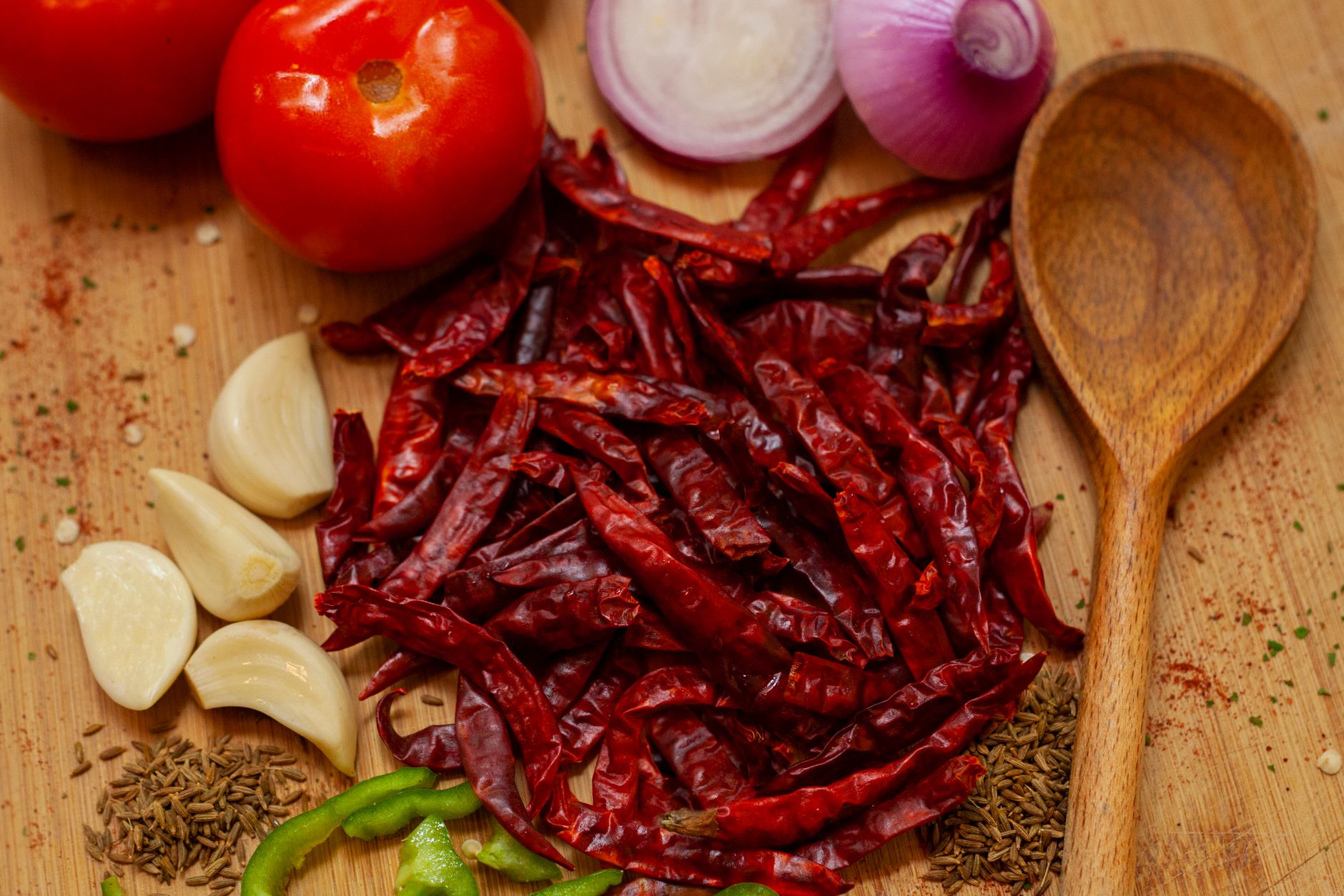
Chili, a beloved staple in many kitchens, is celebrated for its rich, robust flavors and comforting warmth. While chili can be made from various ingredients—such as meat, beans, and vegetables—its unforgettable taste is largely derived from the spices used in the blend. Understanding what spices are in chili can help elevate your dish and personalize it to your unique palate.
This article delves into the essential spices commonly found in chili, their flavor profiles, potential substitutes, and tips for creating a delightful chili experience. By exploring these elements, you’ll be well-equipped to prepare a chili that suits your taste preferences and impresses your guests.
What Spices Are in Chili?
The typical spice blend used in chili varies by region and personal preferences, but several spices are nearly universal. Key ingredients often include:
- Cumin: Earthy and warm, cumin provides a depth of flavor central to chili.
- Chili Powder: A blend of dried chilies and spices, chili powder adds heat and complexity.
- Garlic Powder: This adds a rich, savory taste and boosts the overall flavor profile.
- Onion Powder: Similar to garlic, onion powder introduces sweetness and body.
- Oregano: Typically Mexican oregano offers a slightly citrusy note that complements other spices.
- Paprika: Sweet or smoky, paprika provides color and warmth without overwhelming spiciness.
- Cayenne Pepper: This adds significant heat, balancing the dish’s richness.
- Salt: Enhances and elevates all other flavors.
Flavor Profiles of Key Spices
Understanding the flavor profiles of each spice can help craft the perfect chili. Here’s a closer look:
- Cumin: Earthy and slightly nutty, cumin works wonders to deepen flavors in chili, delivering a warmth that pairs well with beans and meats.
- Chili Powder: Depending on its composition, chili powder can range from mild to hot, incorporating flavors from various dried chilis such as ancho, pasilla, or cayenne.
- Garlic Powder: This spice offers a pungent sweetness that mellows when cooked, contributing to a savory and aromatic profile.
- Onion Powder: Adds a layer of sweetness with a hint of sharpness, enhancing the overall complexity of your chili.
- Oregano: A slightly peppery and herbaceous taste complements the earthy notes in chili, often with a hint of lemon-like brightness.
- Paprika: Sweet paprika lends a mild sweetness, while smoked paprika introduces depth with a subtle smokiness.
- Cayenne Pepper: This spice adds a powerful kick that can transform a mild dish into something thrillingly spicy.
- Salt: While it might seem basic, salt is critical in balancing flavors and preventing the dish from tasting flat.
Building a Balanced Spice Mix
Creating a balanced spice mix is key to developing a flavorful chili. Here are some tips to consider:
- Start with a Base: Begin with cumin and chili powder as your foundational spices, adjusting according to your preference for heat and depth.
- Layer Flavors: Incorporate garlic and onion powder for sweetness, followed by herbs to add complexity.
- Control the Heat: If you prefer a milder chili, limit cayenne and opt for a mild chili powder. For a fiery experience, increase the cayenne or use hotter chili powders.
- Taste as You Go: Always adjust seasoning during cooking, as spices can evolve in flavor with heat and time.
Practical Chili Spice Blend Recipe
For a delicious and well-rounded chili, try this spice blend. It suits a pot of chili and provides a great balance:
Ingredients
- 2 tablespoons cumin
- 2 tablespoons chili powder
- 1 tablespoon garlic powder
- 1 tablespoon onion powder
- 1 tablespoon Mexican oregano
- 1 teaspoon paprika (your choice of sweet or smoked)
- 1/2 teaspoon cayenne pepper (adjust based on preference)
- 1 tablespoon salt (to taste)
Method
- In a small bowl, combine all the spices.
- Store in an airtight container for up to 6 months.
- Use approximately 3 tablespoons of the spice mix for a standard pot of chili, adjusting to taste.
Substitutions and Variations
Chili is incredibly versatile, and you might not always have the exact spices on hand. Here are some reliable substitutions and alternative spices that can offer unique twists:
- Cumin Substitute: Ground coriander can be a pleasant alternative, though it will change the flavor profile slightly to be more citrusy.
- Chili Powder Substitute: A mix of cayenne, paprika, and ground cumin can create a similar base flavor.
- Garlic and Onion Powder Substitute: Fresh minced garlic and onion can be used in equal parts, adding fresher flavors but may require additional cooking time to mellow.
- Oregano Substitute: Dried thyme can be swapped in, although the taste will not be identical.
- Paprika Substitute: If smoked paprika is unavailable, regular paprika combined with a small amount of liquid smoke can provide a great flavor.
Common Mistakes in Chili Making
Even experienced home cooks can face challenges when preparing chili. Some common pitfalls include:
- Under-seasoning: Flavor can dissipate during cooking, leading to a lack of depth; always season throughout the process.
- Not allowing time for the spices to meld: Chili benefits from simmering, allowing the spices to build. Be patient and simmer for at least 30 minutes.
- Overcomplicating the recipe: While adding many ingredients can be tempting, focus on the essential flavors to create a well-rounded dish.
- Piling on the heat: Adding too much cayenne or hot peppers initially can overwhelm the dish, so always start small and build.
Serving Tips for Chili
Once your chili is perfectly seasoned and cooked, it’s time to serve! Here are some excellent serving suggestions:
- Toppings: Consider garnishing with chopped cilantro, shredded cheese, sour cream, or diced scallions for added flavor and texture.
- Pairing: Serve your chili with sides such as cornbread, tortilla chips, or rice to complement the dish.
- Make it a Meal: Transform chili into a complete meal by adding it over baked potatoes or mixing it into tacos.
Make-Ahead and Storage
Chili is an excellent candidate for meal prep and can often taste better the next day as flavors meld. Here’s how to store and reheat it properly:
- Storage: Keep chili in an airtight container in the refrigerator for up to 4 days.
- Freezing: Chili can also be frozen for up to 3 months. Thaw overnight in the refrigerator before reheating.
- Reheating: Gently reheat on the stovetop over medium heat, stirring occasionally. You can also use the microwave if you need to heat small portions.
Cultural Variations of Chili
Chili has various interpretations across cultures, each bringing unique flavors and spices. Here are a few notable styles:
- Texas Chili: Typically features beef and excludes beans; focused on deep, meaty flavors and bold spices.
- Cincinnati Chili: A unique blend often served over spaghetti and featuring cinnamon and chocolate for a sweet undertone.
- Chili Verde: Made with green tomatillos and green chiles, this variation offers a fresher, milder taste.
- Vegetarian/Vegan Chili: Substitutes meat with beans, lentils, or tofu and may use distinct spices such as smoked chipotle for heat.
Regional Spice Preferences
Your spice choice may vary by region. Southwestern U.S. chili enthusiasts may favor smoky and spicy flavors, while Midwestern styles may be sweeter, often incorporating corn or brown sugar. Experiment based on your preferences!
Final Thoughts on Chili Spices
Understanding what spices are in chili and how they interact makes a significant difference in the final dish. Whether you prefer a classic recipe or a unique variation, the appropriate spices will enhance the entire experience. Adjust spice levels according to your taste, experiment with substitutions, and explore regional variations to find your perfect bowl of chili.
For a delicious homemade seasoning, check out our chili seasoning recipe. If you’re looking for an exciting new preparation, try our over-the-top chili recipe for a delicious twist on this classic dish.