
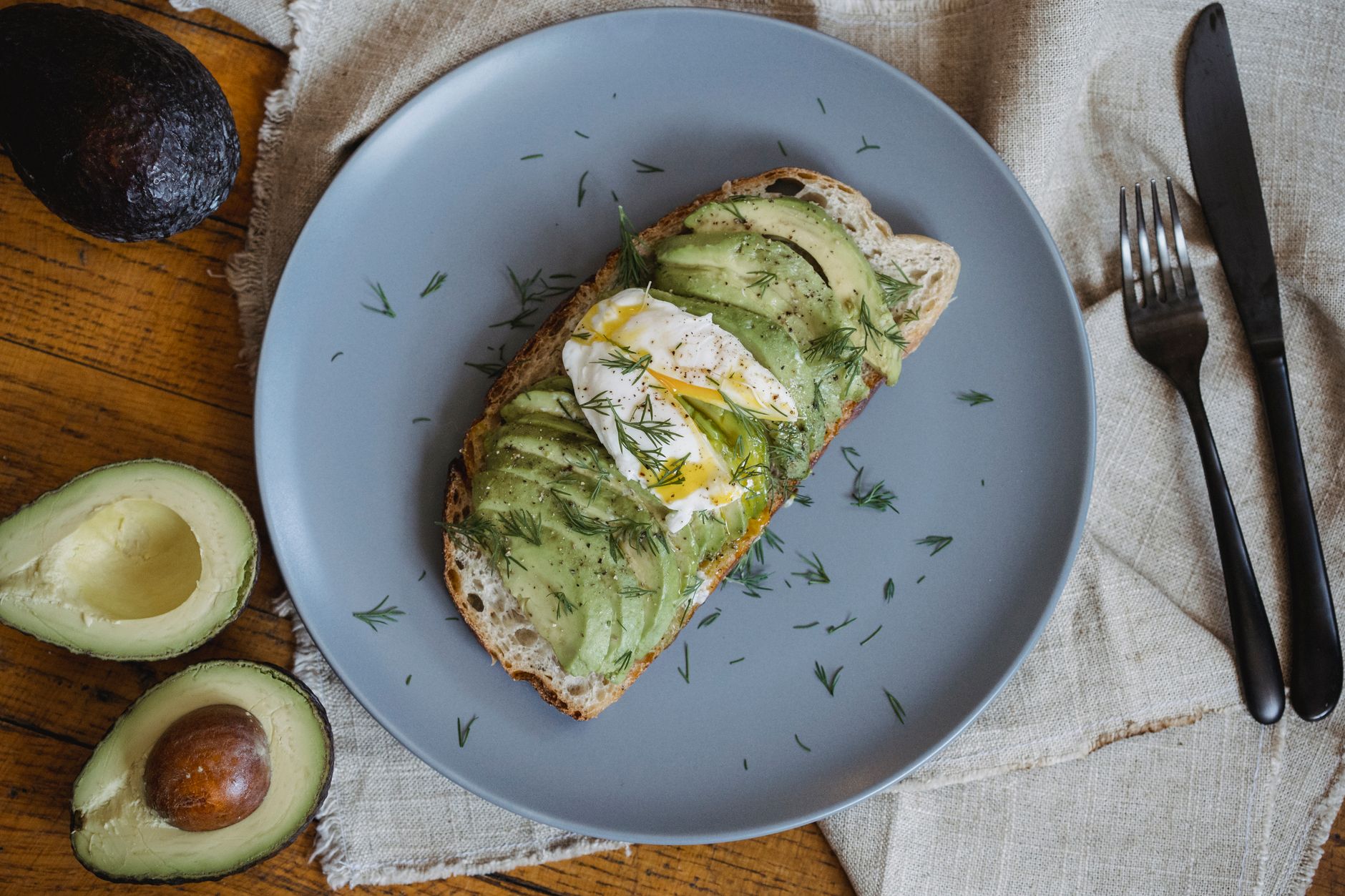
Eating a heart-healthy diet is crucial for managing high cholesterol levels. Foods rich in fiber, healthy fats, and antioxidants can support your cardiovascular health and help lower cholesterol naturally. This guide will provide actionable insights on what to eat if you have high cholesterol, along with practical tips for meal planning and ingredient substitutions.
In this article, we will explore various foods that can positively impact your cholesterol levels, suggest meal ideas, and offer guidance on how to incorporate these options into your daily diet.
What Should You Eat If You Have High Cholesterol?
If you have high cholesterol, it’s essential to choose foods that are low in saturated fats and trans fats while being high in fiber and healthy fats. Incorporate plenty of fruits, vegetables, whole grains, legumes, and lean proteins into your diet for optimal heart health.
Understanding Cholesterol
Cholesterol is a waxy substance found in your blood, essential for building cells and producing hormones. However, when levels become too high, it can lead to heart disease and other health issues. There are two main types of cholesterol:
- Low-Density Lipoprotein (LDL): Often referred to as “bad” cholesterol, high levels of LDL can lead to plaque buildup in your arteries, restricting blood flow.
- High-Density Lipoprotein (HDL): Known as “good” cholesterol, HDL helps remove LDL from the bloodstream, which can lower your risk of heart disease.
Foods to Include in Your Diet
When managing high cholesterol, focusing on the right foods is vital. Here is a list of food categories to consider:
1. Fruits and Vegetables
Fruits and vegetables are rich in vitamins, minerals, and fiber, making them vital for a heart-healthy diet. Aim for a variety of colors to ensure you’re getting a wide range of nutrients.
- Apples: Rich in pectin, a soluble fiber that can help lower LDL levels.
- Berries: High in antioxidants and fiber, particularly blueberries and strawberries.
- Leafy Greens: Spinach, kale, and collard greens are low in calories and rich in vitamins.
- Avocado: A source of healthy monounsaturated fats that can encourage healthier cholesterol levels.
2. Whole Grains
Whole grains are an excellent source of dietary fiber, which can help lower cholesterol levels. Some good choices include:
- Oats: Contains beta-glucans, a type of soluble fiber that can significantly reduce LDL cholesterol.
- Barley: Similar benefits to oats, helping to reduce cholesterol levels.
- Quinoa: High in protein and fiber, making it a nutritious addition to meals.
- Brown Rice: A whole grain alternative to white rice that adds fiber to your diet.
3. Legumes
Beans, lentils, and peas are wonderful sources of protein and fiber, making them great substitutes for meat, which is often high in saturated fat.
- Lentils: High in protein and fiber, they help improve heart health.
- Chickpeas: Great in salads or as hummus, providing both protein and fiber.
- Black Beans: High in soluble fiber, which can help sweep cholesterol from the digestive system.
4. Healthy Fats
Fats are essential for a balanced diet, but choosing the right types of fats is crucial when dealing with high cholesterol.
- Olive Oil: A staple in Mediterranean diets, olive oil is rich in monounsaturated fats.
- Nuts: Almonds, walnuts, and pistachios help reduce cholesterol and offer heart-healthy fats.
- Fatty Fish: Salmon, mackerel, and sardines are high in omega-3 fatty acids, which can lower cholesterol levels.
- Flaxseeds and Chia Seeds: Both are good sources of omega-3s and fiber.
5. Lean Proteins
Choosing lean proteins over fatty cuts of meat can help manage cholesterol levels effectively.
- Chicken (skinless): A lean meat option that can be grilled, baked, or roasted.
- Turkey: Similar to chicken, turkey is low in saturated fat and high in protein.
- Fish: Besides fatty fish, lean fish like cod and tilapia are excellent choices.
- Tofu and Tempeh: Great plant-based protein sources that are low in saturated fat.
6. Plant-Based Dairy Alternatives
Dairy can be high in saturated fat, but there are many plant-based alternatives available that are heart-healthy.
- Almond Milk: Low in calories and fat, often fortified with calcium and vitamin D.
- Oat Milk: Naturally sweet with a creamy texture, it’s great in smoothies and cereals.
- Coconut Yogurt: A dairy-free yogurt alternative that’s creamy and delicious.
Foods to Avoid
To manage high cholesterol effectively, it’s equally important to limit certain foods that can negatively impact your cholesterol levels. These include:
1. Saturated Fats
Reducing saturated fat intake can lower your LDL cholesterol levels. Limit the following:
- Fatty cuts of beef and pork
- Full-fat dairy products, such as cheese and cream
- Coconut oil and palm oil, which are often used in processed foods
2. Trans Fats
Trans fats are particularly harmful as they raise LDL levels while lowering HDL levels. Avoid foods that contain:
- Partially hydrogenated oils found in many baked goods and snacks
- Fried foods from fast food restaurants
- Processed snacks like crackers and microwave popcorn
3. Refined Carbohydrates
Refined carbs can contribute to weight gain and high cholesterol levels. Limit your intake of:
- White bread and pastries
- White rice and pasta
- Sugary cereals
Meal Planning for High Cholesterol
Planning your meals can help you make healthier choices and stick to a heart-healthy diet. Here are some practical tips for meal planning:
1. Plan Your Week
Set aside time each week to plan your meals. This can help you manage portions, avoid impulse buys, and ensure you have the right ingredients on hand. Consider creating a menu that includes:
- Breakfast options like oatmeal topped with berries and a sprinkle of nuts.
- Lunch ideas such as a quinoa salad with avocado and mixed vegetables.
- Dinner choices that include baked salmon with steamed broccoli and brown rice.
- Healthy snacks like carrot sticks with hummus or a handful of nuts.
2. Batch Cooking
Prepare larger portions of healthy meals in advance. Store them in individual containers to make it easier to grab nutritious options throughout the week. Some dishes to consider batch cooking include:
- Chili: Use beans, lean ground turkey, and plenty of vegetables.
- Vegetable Soup: A hearty mix of your favorite veggies, lentils, and spices.
- Casseroles: Whole grain pasta, lean protein, and lots of vegetables baked together.
3. Snack Wisely
Healthy snacking can help manage hunger and prevent overeating. Choose snacks that align with your cholesterol management goals, such as:
- Fruits like apples, bananas, or berries.
- Vegetables and hummus or guacamole.
- Nuts or seeds in moderation to provide healthy fats.
Practical Ingredient Substitutions
Making simple ingredient substitutions can significantly impact the overall healthiness of your meals without compromising flavor. Here are some easy swaps:
- Butter: Replace with olive oil or applesauce in baking.
- Ground Beef: Substitute with ground turkey, lentils, or mushrooms in recipes.
- White Pasta: Opt for whole wheat or legume-based pasta for added fiber.
- Sugar: Use natural sweeteners like honey or maple syrup in moderation.
Common Mistakes to Avoid
When aiming to manage high cholesterol, some common pitfalls can hinder your progress. Be mindful of the following:
- Relying solely on supplements: While omega-3 supplements may support heart health, they should not replace a balanced diet.
- Overlooking label reading: Always read food labels to check for hidden trans fats and high sodium levels.
- Neglecting fiber intake: Insufficient fiber can thwart efforts to lower cholesterol; include it in every meal.
Storing and Reheating Food
Proper storage and reheating are essential for food safety and maintaining flavor. Here are general tips for the foods you prepare:
- Cool Foods: Allow prepared foods to cool to room temperature before refrigerating or freezing.
- Use Airtight Containers: Store leftovers in airtight containers to prevent spoilage.
- Reheat Safely: Ensure reheated food reaches at least 165°F (74°C) for safety.
Exploring Different Cuisines
Many global cuisines naturally emphasize heart-healthy ingredients that align with managing cholesterol. Consider exploring the following:
- Mediterranean Cuisine: Rich in vegetables, fruits, whole grains, and olive oil, this cuisine is renowned for its heart health benefits.
- Asian Cuisine: With its focus on vegetables, lean proteins, and rice or noodles, Asian dishes can be tailored to be heart-healthy.
- Mexican Cuisine: Incorporate beans, whole grains, and lots of vegetables to enjoy flavorful yet healthy dishes.
Conclusion
Effectively managing high cholesterol requires mindful meal planning and adopting a balanced diet rich in heart-healthy foods. By focusing on fruits, vegetables, whole grains, lean proteins, and healthy fats while avoiding saturated and trans fats, you can take significant steps towards better heart health.
As you embark on this journey, remember that small changes can yield substantial results. Consider trying new recipes, exploring diverse cuisines, and experimenting with substitutes to keep your meals exciting and nutritious.
For more delicious and healthy recipes, explore our Chia Pudding Recipe or try our Healthy Tuna Salad Recipe for satisfying meal ideas perfectly aligned with your dietary needs.