
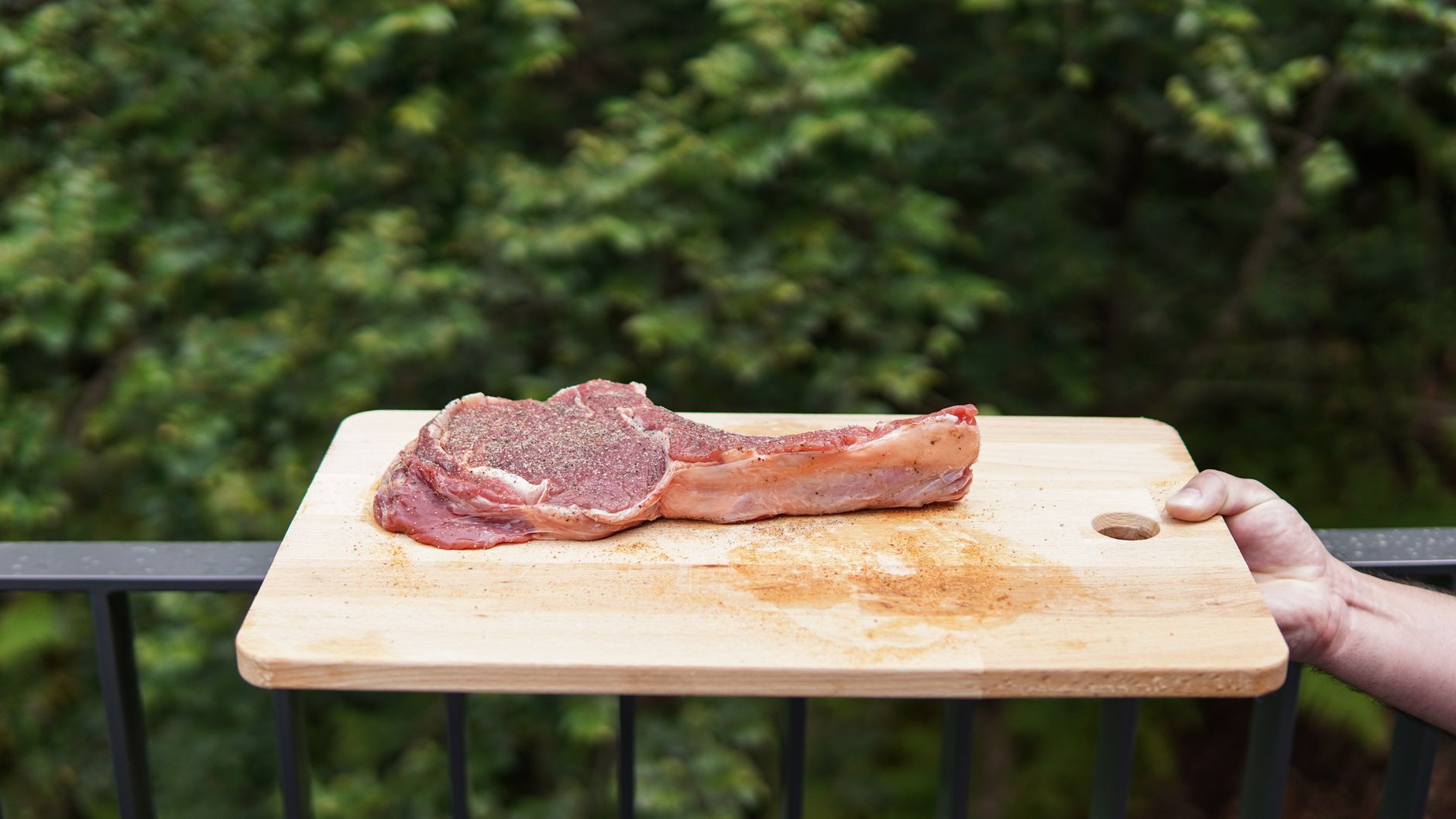
Tomahawk steak, known for its impressive size and presentation, has gained popularity among steak enthusiasts and chefs alike. This unique cut not only delivers a stunning visual appeal but also offers a rich and flavorful dining experience. Understanding where this steak comes from and how to best prepare it is essential for anyone looking to impress at their next gathering.
In this article, we’ll explore what part of the cow produces the tomahawk steak, its origins, cooking methods, and how to serve it for maximum effect. Whether you are a seasoned cook or just starting your culinary journey, this comprehensive guide will enhance your steak knowledge.
What Part of the Cow Is a Tomahawk Steak?
The tomahawk steak is derived from the rib section of the cow, specifically a long ribeye steak that remains attached to a long section of rib bone. This cut is often referred to as a “bone-in ribeye” and is recognized for its signature bone that resembles a tomahawk axe, hence the name.
More precisely, the tomahawk steak comes from the primal rib section of the cow, which is located between the chuck and the loin. This area is known for its tenderness and marbling, making the tomahawk a juicy and flavorful option. The long bone not only adds to its dramatic presentation but also contributes to the steak’s overall flavor during cooking.
The Origins of the Tomahawk Steak
While the exact origins of the tomahawk steak are not well-documented, it is a rustic cut that reflects traditional butchery methods. The incorporation of the rib bone in the cut serves a practical purpose, as it adds flavor and allows for an easier cooking process. The rise of the tomahawk’s popularity in modern cuisine can be traced back to high-end steakhouses and barbecue competitions, where presentation plays a crucial role.
Its visual appeal and robust flavor profile make it a favorite among food enthusiasts, especially in steak-centric cultures. The tomahawk steak has since become a must-have item at celebratory dinners and special occasions, showcasing both culinary skill and an appreciation for quality ingredients.
Cooking Methods for Tomahawk Steak
When it comes to cooking a tomahawk steak, there are various methods you can choose from, depending on your equipment and personal preferences. Here are some popular techniques:
1. Grilling
Grilling is perhaps the most popular method for cooking tomahawk steaks, enhancing the natural flavors while achieving a perfect char on the exterior. Here’s how to do it:
- Preheat the Grill: Preheat your gas or charcoal grill to a high temperature, aiming for around 450°F (232°C).
- Season the Steak: Generously season the tomahawk steak with salt and pepper. You can also use a dry rub or marinade of your choice for additional flavor.
- Grill the Steak: Place the steak on the grill directly over the heat source. Sear each side for about 3-4 minutes to achieve a nice crust.
- Indirect Heat: Move the steak to the cooler side of the grill and close the lid. Cook until the internal temperature reaches your desired doneness, usually between 120-130°F (49-54°C) for medium-rare.
- Rest the Steak: Remove the tomahawk steak from the grill and let it rest for at least 10-15 minutes before slicing. This allows the juices to redistribute throughout the meat.
2. Reverse Sear Method
The reverse sear method is excellent for thick cuts like the tomahawk steak, ensuring even cooking throughout the meat.
- Oven Preheat: Preheat your oven to 225°F (107°C).
- Season the Steak: Season the tomahawk steak as desired with salt and pepper.
- Bake: Place the steak on a wire rack set over a baking sheet and put it in the oven. Cook until the internal temperature reaches about 10-15°F (5-8°C) below your target doneness level.
- Sear: Once done, heat a skillet over high heat or prepare your grill. Sear the steak for 2-3 minutes on each side until a crust forms.
- Rest: Allow the steak to rest for 10-15 minutes before slicing.
3. Sous Vide
This precision cooking method results in perfectly cooked steak with minimal effort, ideal for those who prefer to control their cooking process.
- Prepare the Sous Vide Setup: Set your sous vide water bath to your desired target temperature (about 129°F/54°C for medium-rare).
- Vacuum Seal: Season the steak and place it in a vacuum-sealable bag. Vacuum seal the bag.
- Cook: Submerge the sealed steak in the water bath and cook for 2-4 hours.
- Sear: After cooking, remove the steak from the bag, pat it dry with paper towels, and sear it in a hot skillet for 1-2 minutes per side.
- Rest: Allow the steak to rest briefly before slicing.
Tips for the Perfect Tomahawk Steak
To achieve a top-notch tomahawk steak experience, keep these tips in mind:
- Choose Quality Meat: Look for well-marbled tomahawk steaks with a bright red color. This indicates freshness and flavor.
- Bring to Room Temperature: Before cooking, allow the steak to sit at room temperature for about 30-60 minutes. This will help it cook more evenly.
- Cooking Thermometer: Use a digital cooking thermometer to monitor the steak’s internal temperature accurately. This helps avoid overcooking.
- Let It Rest: Resting is crucial for juicy steak. It allows the juices to settle, ensuring each bite is tender and flavorful.
- Serve with Flair: A tomahawk steak is a centerpiece worthy of a grand presentation. Consider serving it on a wooden cutting board with a side of chimichurri or garlic butter for added flavor.
Serving Suggestions for Tomahawk Steak
Pairing your tomahawk steak with complementary sides enhances the overall dining experience. Here are some serving suggestions:
- Grilled Vegetables: Seasonal vegetables such as asparagus, zucchini, or bell peppers charred on the grill pair beautifully.
- Potato Dishes: Classic sides include mashed potatoes, roasted potatoes, or even loaded baked potatoes.
- Salads: A fresh salad with a zesty vinaigrette can balance the richness of the steak.
- Wine Pairing: Look for bold red wines, such as Cabernet Sauvignon or Malbec, which complement the robust flavors of the meat.
Common Mistakes When Cooking Tomahawk Steak
While cooking a tomahawk steak can be straightforward, it is essential to avoid common pitfalls that may affect the final result. Here are a few mistakes to watch out for:
- Overcooking: Due to its thickness, a tomahawk steak can easily be overcooked. Always rely on a meat thermometer for accuracy.
- Skipping Rest Period: Cutting into the steak too soon can cause juices to flow out, resulting in dryness.
- Underseasoning: Given its size, don’t be afraid to season generously. This will enhance the flavor during cooking.
- Inconsistent Cooking Temperature: Ensure your grill or cooking surface is adequately heated before searing to achieve that desirable crust.
How to Choose the Best Tomahawk Steak
When selecting a tomahawk steak, consider these factors to ensure you’re getting the best quality:
- Marbling: Look for steaks with abundant intramuscular fat, which contributes to flavor and tenderness.
- Bone Size: A larger bone can enhance presentation but doesn’t necessarily correlate with the quality of the meat. Look for a healthy ratio of meat to bone.
- Color: A vibrant red color indicates freshness. Avoid steaks that appear brown or aged.
- Thickness: Ideally, tomahawk steaks should be at least 2 inches thick. This allows for better cooking control and flavor.
Storage and Reheating Guidelines
Proper storage and reheating are critical to maintaining the quality of your tomahawk steak.
Storage Tips
- Refrigeration: Store uncooked steak in its original packaging in the refrigerator and consume it within 3-5 days for best quality.
- Freezing: To extend shelf life, wrap the steak tightly in plastic wrap or aluminum foil and place it in the freezer. It can last up to 6-12 months.
Reheating Guidelines
- Gentle Reheat: For leftovers, gently reheat the steak in the oven at a low temperature (around 250°F/121°C) until warmed through.
- Skillet Finish: For added flavor, sear briefly in a hot skillet after reheating to regain some of the crust and warmth.
The tomahawk steak is not only a delicious cut of meat but also an impressive centerpiece for any meal. Understanding its provenance and how to cook it properly will enhance your culinary endeavors and leave your guests in awe.
Explore related recipes such as our flat iron steak recipe and consider a chuck eye steak recipe for your next meal plan. Enjoy the robust flavors of steak cooking with confidence!