
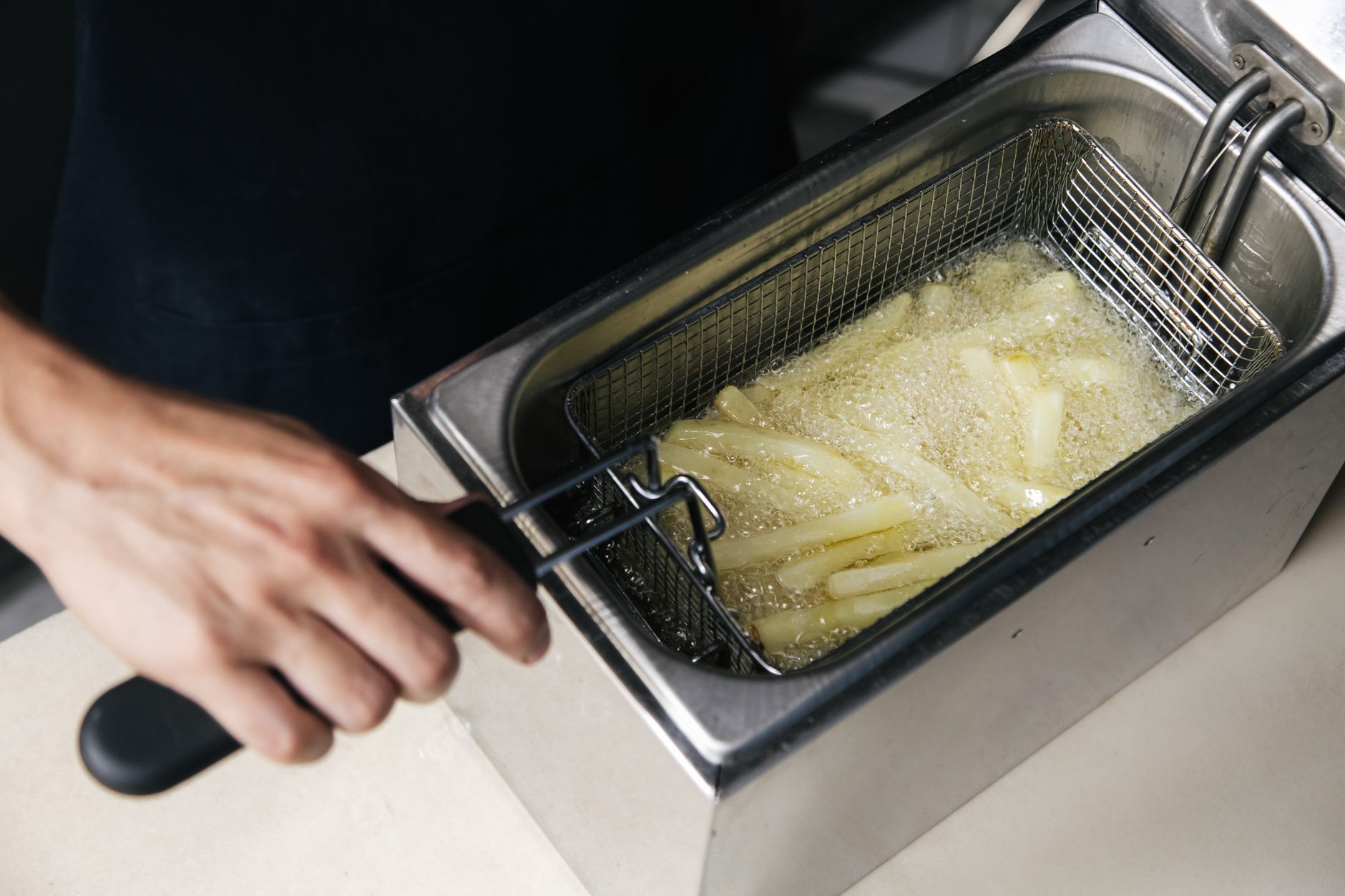
When it comes to fast food, the choice of oil plays an important role in flavor, cooking method, and health impact. McDonald’s is one of the largest fast-food chains in the world, and understanding their oil usage can give insights into their cooking methods and how to replicate similar flavors at home.
This article dives into what oil McDonald’s uses for their cooking processes, including their frying operations, the source of their oils, and some helpful kitchen uses and considerations for home cooks looking to replicate that iconic taste.
What Oil Does McDonald’s Use?
McDonald’s primarily uses a blend of canola oil and other oils for frying. In the United States, they have been known to use a combination of canola, soybean, and hydrogenated oils. This blend is designed to achieve the perfect flavor profile while also considering health standards.
The Types of Oils in McDonald’s Frying Process
In the frying processes, McDonald’s utilizes specific oils for different menu items:
- Canola Oil: This oil is the primary oil used due to its neutral flavor and high smoke point, making it ideal for frying French fries and other items.
- Vegetable Oil Blend: Often a mixture that includes soybean oil, this oil is used for products like Chicken McNuggets.
- Hydrogenated Oils: Some menu items may contain hydrogenated oils which are used to enhance texture and prolong shelf life.
How McDonald’s Oil Choices Affect Food Quality
The choice to use oils like canola and soybean affects the overall taste and quality of McDonald’s offerings. Here’s how:
- Flavor: The neutral flavor of canola oil allows the true flavors of the food to shine through without overpowering them.
- Cooking Temperature: McDonald’s oils are critically chosen for their high smoke points, allowing for effective frying without burning.
- Health Factors: Canola oil is lower in saturated fat compared to other oils, making it a popular choice for chains focused on health-conscious options.
Comparisons to Other Fast Food Oils
When considering what oil McDonald’s uses, it’s also useful to compare it to that of other fast food chains:
- For instance, Chick-fil-A primarily uses peanut oil, which gives their chicken a distinct flavor.
- Wendy’s uses a mix that often includes canola and other vegetable oils, similar to McDonald’s.
- Yet, KFC uses partially hydrogenated oils for frying, which raises different health concerns.
Common Cooking Oils and Their Uses
Understanding what oils you may use at home can enhance your own cooking. Here’s a breakdown of various oils and their best uses:
- Canola Oil: Great for frying, baking, and sautéing due to its light flavor and high smoke point.
- Olive Oil: Best for dressings and low-heat cooking; can also be used for roasting veggies but is best not used for deep frying.
- Sunflower Oil: Similar to canola, it’s a good option for frying, with a slight nutty flavor.
- Peanut Oil: Excellent for frying, particularly for Asian cuisines, due to its high smoke point and taste.
How to Use Frying Oil in Your Own Kitchen
Replicating McDonald’s flavors at home involves careful selection and use of oils. Here are some essential tips:
Choosing the Right Oil for Frying
- Know Your Temperature: Make sure the oil you choose has a high smoke point to avoid burnt flavors. Aim for oils like canola, sunflower, and peanut for frying.
- Watch for Flavor: Some oils like olive oil impart distinct flavors. Choose based on the dish you’re making.
- Don’t Overcrowd the Pan: This will drop the temperature of the oil and can lead to greasy food instead of crispiness.
- Use a Thermometer: Keeping the oil at the proper temperature is vital to achieving perfect frying. Aim for around 350°F to 375°F.
Common Mistakes When Using Oil for Frying
Even with the right oil, there are common pitfalls to avoid:
- Using a Low-Quality Oil: Higher quality oils tend to have better flavor and performance.
- Not Filtering Oil After Use: If you reuse frying oil, strain out food particles to keep the oil from becoming rancid.
- Ignoring Smoke Points: Always check the smoke point of oils to avoid off-flavors and health risks.
How to Store Cooking Oils
Proper storage can extend the life of your cooking oils. Here are ways to do it effectively:
- Cool, Dark Place: Keep oils away from heat and light to prevent rancidity.
- Seal Tightly: Ensure caps are tightly sealed to avoid oxidation.
- Use Within a Recommended Time Frame: Most oils are best within six months to a year once opened.
Health Considerations of Fast-Food Cooking Oils
Many consumers are conscious of the health implications of consuming fast food, particularly concerning oils. Here are some health aspects to consider:
- Trans Fats: Some oils are hydrogenated and can contain trans fats, which are detrimental to heart health.
- Saturated Fats: While fast food is often scrutinized for its saturated fat content, using oils like canola can mitigate some concerns.
- Omega Fatty Acids: Oils like canola also have a better balance of omega-3 and omega-6 fatty acids compared to other cooking oils.
Tips for Achieving Fast Food Flavors at Home
If you’re eager to replicate the signature McDonald’s taste at home, consider these techniques:
- Use Fresh Ingredients: Fresh potatoes for fries or chicken can significantly enhance flavor.
- Season Generously: Salt and seasonings can transform a bland fry into a standout dish.
- Master the Frying Technique: Remember, double frying can give your fries that extra crunch.
What Oil to Use Versus What to Avoid
As you plan your cooking, it’s useful to know which oils are best suited for various cooking methods:
| Type of Cooking | Best Oils | Oils to Avoid |
|---|---|---|
| Deep Frying | Canola, Peanut, Sunflower | Olive Oil, Butter |
| Sautéing | Olive Oil, Avocado Oil | Coconut Oil (for some dishes) |
| Dressings | Olive Oil, Flaxseed Oil | Canola Oil |
Conclusion
Understanding what oils McDonald’s uses provides an interesting insight into achieving that famous flavor at home. By utilizing canola and other blends, they ensure a balance between taste and health considerations. As a home cook, incorporating similar oils in the right ways allows for delicious results and healthier frying practices.
If you’re looking to explore more about oils, you might consider learning about what oil Chick-fil-A uses or how to substitute avocado oil for olive oil in your recipes.