
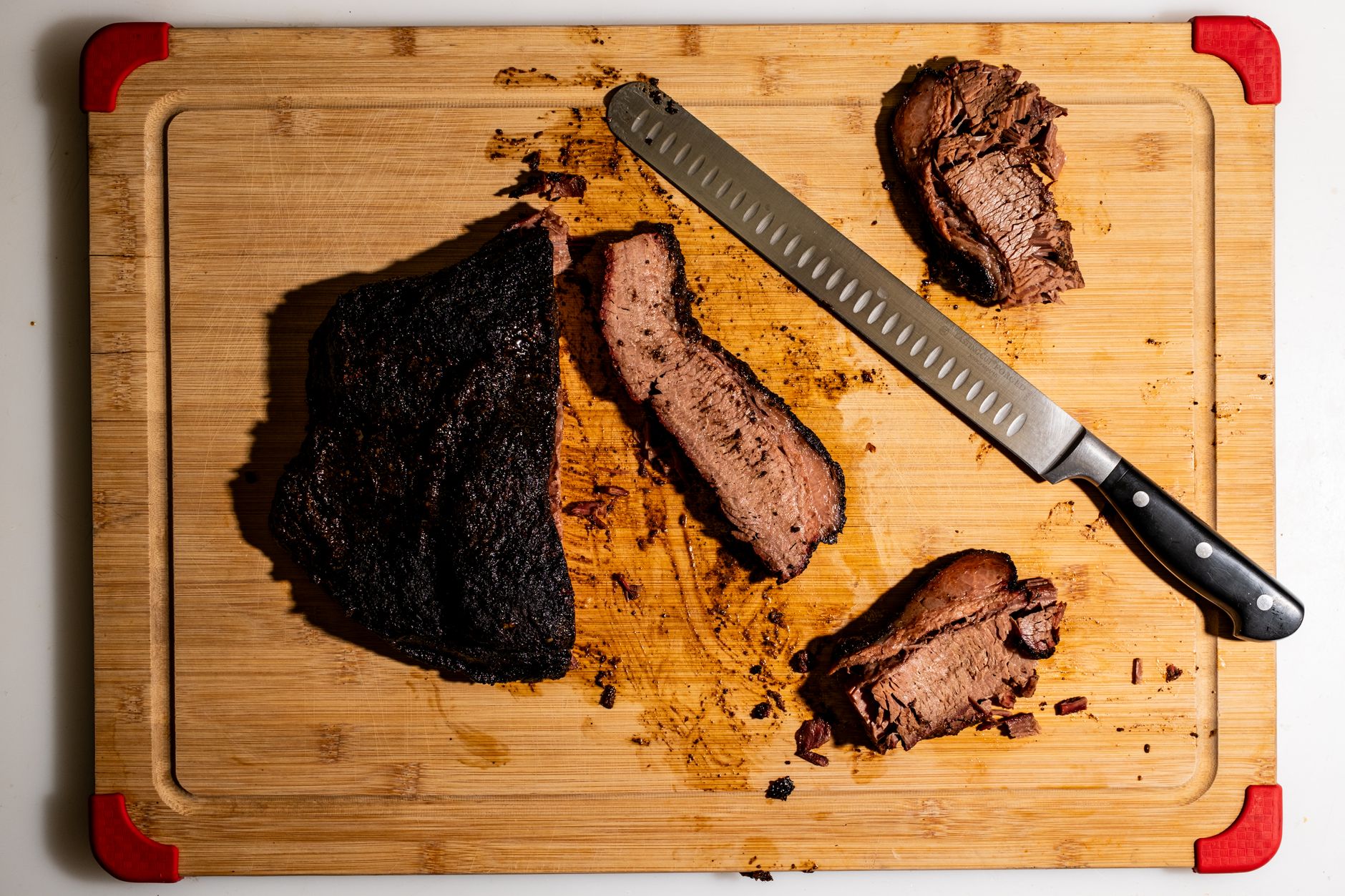
Brisket is a popular cut of meat that comes from the lower chest of a cow, known for its rich flavor and tenderness when cooked properly. With its unique texture, brisket requires specific cooking techniques to truly bring out its qualities, making it a favorite in cuisines ranging from Texan barbecue to Jewish pot roasts.
This article will explore what brisket is, the different types available, cooking methods, why it is so versatile, and some delicious serving ideas to try at home.
What Meat Is Brisket?
Brisket is primarily a beef cut that comes from the pectoral muscle of the cow. It is a tough cut of meat due to its location and the heavy muscle usage, which gives it a distinct texture and flavor profile. When slow-cooked or braised, brisket becomes succulent and tender, making it a sought-after ingredient in many dishes.
This cut is often divided into two main portions: the flat and the point. The flat is leaner and more uniformly shaped, while the point has a greater fat content and is more marbled, offering richer flavors.
The Different Cuts of Brisket
Understanding the different cuts of brisket can help you decide which one works best for your cooking plans.
Flat Cut
The flat cut is the leaner section of brisket and is often used for dishes that require slicing, such as sandwiches or plating. It has a more uniform shape, making it easier to cook evenly and slice beautifully.
Point Cut
The point cut is thicker and has more fat marbling, making it perfect for braising or smoking. This cut is often favored for barbecue as the fat renders during cooking, enhancing the meat’s flavor and tenderness.
Whole Brisket
A whole brisket includes both the flat and the point. This larger cut is ideal for events or gatherings since it provides a substantial amount of meat that can be shared. Cooking a whole brisket requires more time and attention but delivers a stunning centerpiece for any meal.
Cooking Methods for Brisket
Brisket is best suited for slow-cooking methods. Here are some of the most popular techniques to prepare this cut of meat:
Slow Cooking
Using a slow cooker is a fantastic way to prepare brisket, allowing the meat to become tender without much effort. Simply season the meat and add your favorite aromatics and liquids, and let it cook for several hours on low heat. This method results in a juicy, fall-apart brisket.
Smoking
Smoking brisket is a traditional method that infuses it with rich, smoky flavors. It’s essential to use indirect heat and low temperatures, typically around 225°F (107°C), to ensure proper cooking. The process usually takes several hours, and the result is a deliciously charred exterior and a tender interior.
Braising
Braising involves cooking brisket slowly in a liquid. This method can be done on the stovetop or in the oven. Start by searing the meat to develop flavor, then add broth, wine, or other liquids, cover, and cook on low heat for several hours until the meat is tender.
Roasting
Roasting brisket in the oven is another option. It involves seasoning the meat and cooking at a higher temperature initially to develop a crust, followed by lowering the heat to finish cooking through. This method allows for a beautiful caramelized exterior while keeping the inside moist.
Preparing Brisket
Before cooking brisket, it’s essential to prepare it properly. Here are some steps to follow:
Trimming
Depending on the cooking method, you may want to trim excess fat from the brisket. Aim to leave around 1/4 inch of fat for flavor and moisture but remove any large chunks of hard fat that might not render during cooking.
Seasoning
Seasoning brisket is crucial. A simple rub of salt, black pepper, and garlic powder can enhance its natural flavor. However, feel free to experiment with spices like paprika, cumin, or brown sugar for a more complex profile.
Marinating
For added depth of flavor, consider marinating your brisket overnight. A marinade can consist of vinegar, soy sauce, spices, and herbs, allowing the brisket to absorb flavors before cooking.
Common Mistakes to Avoid
When cooking brisket, there are a few mistakes that can impact the final product:
- Cooking at High Temperatures: Brisket needs slow and low cooking. High heat can result in tough, dry meat.
- Skipping Rest Time: Allow the brisket to rest after cooking to redistribute the juices for a more tender bite.
- Overcooking: While brisket requires long cooking times, don’t confuse tenderness with overcooking, which can make it mushy.
Serving Ideas for Brisket
Brisket can be enjoyed in a variety of meals. Below are some creative serving ideas:
Sandwiches
One of the most popular ways to serve brisket is in sandwiches. Slice the cooked brisket thinly and layer it on a soft bun with your favorite barbecue sauce, pickles, and onions.
Tacos
Shredded or sliced brisket can make an excellent filling for tacos. Top with fresh cilantro, diced onions, and a squeeze of lime for a refreshing twist.
Salads
Add sliced brisket to a hearty salad with greens, avocado, tomatoes, and a rich dressing for a satisfying meal that combines protein and freshness.
Stews and Soups
Cubing brisket and adding it to stews or soups provides a robust flavor and texture, enhancing your comfort food experience.
Storage and Reheating
Proper storage of brisket ensures that you maintain its quality. Here’s how to store and reheat it:
Storage
Leftover brisket can be stored in an airtight container in the refrigerator for 3 to 4 days. For longer-term storage, consider freezing it, wrapped tightly in plastic wrap and then in foil or a freezer bag. This can last for up to 3 months.
Reheating
To reheat brisket, use low heat to retain moisture. Wrapping them in aluminum foil can help prevent drying out. Heat in the oven at 250°F (121°C) until warmed through. Alternatively, you can use a microwave, but check frequently to avoid overcooking.
Practical Tips for Cooking Brisket
Here are some additional tips to ensure a successful brisket-cooking experience:
- Invest in a Meat Thermometer: This tool helps ensure that your brisket reaches the recommended internal temperature for safety and tenderness, ideally around 195°F (90°C) when cooked.
- Tent Your Brisket: When resting, tent the brisket with foil to keep it warm without steaming it too much.
- Pair with Sides: Serve brisket with classic sides like coleslaw, cornbread, or baked beans for a well-rounded meal.
Exploring Other Uses for Brisket
Brisket is not limited to typical dishes; it can inspire creativity in various forms. Here are other culinary explorations with this flavorful cut:
Brisket Chili
Add brisket to chili for a heartier, more flavorful dish. The meat complements the spices and beans well, enhancing the overall taste.
Brisket Pizza Topping
Use sliced brisket as a unique pizza topping. Combine with barbecue sauce, red onions, and cheese for a gourmet twist.
Brisket Hash
Transform brisket leftovers into a breakfast hash. Sauté with potatoes, onions, and peppers, then top with eggs for a filling brunch option.
Conclusion
Brisket is a versatile and flavorful cut of meat that can transform any meal into something special. Whether you’re slow-cooking, smoking, or braising, the right methods can yield a tender and delicious result. With its various serving options, brisket can be part of a simple weeknight dinner or the star of a festive gathering.
For more about flavorful seasoning techniques, check out our guide on meatloaf seasoning or explore our delicious meat sauce recipe for additional culinary inspiration.