
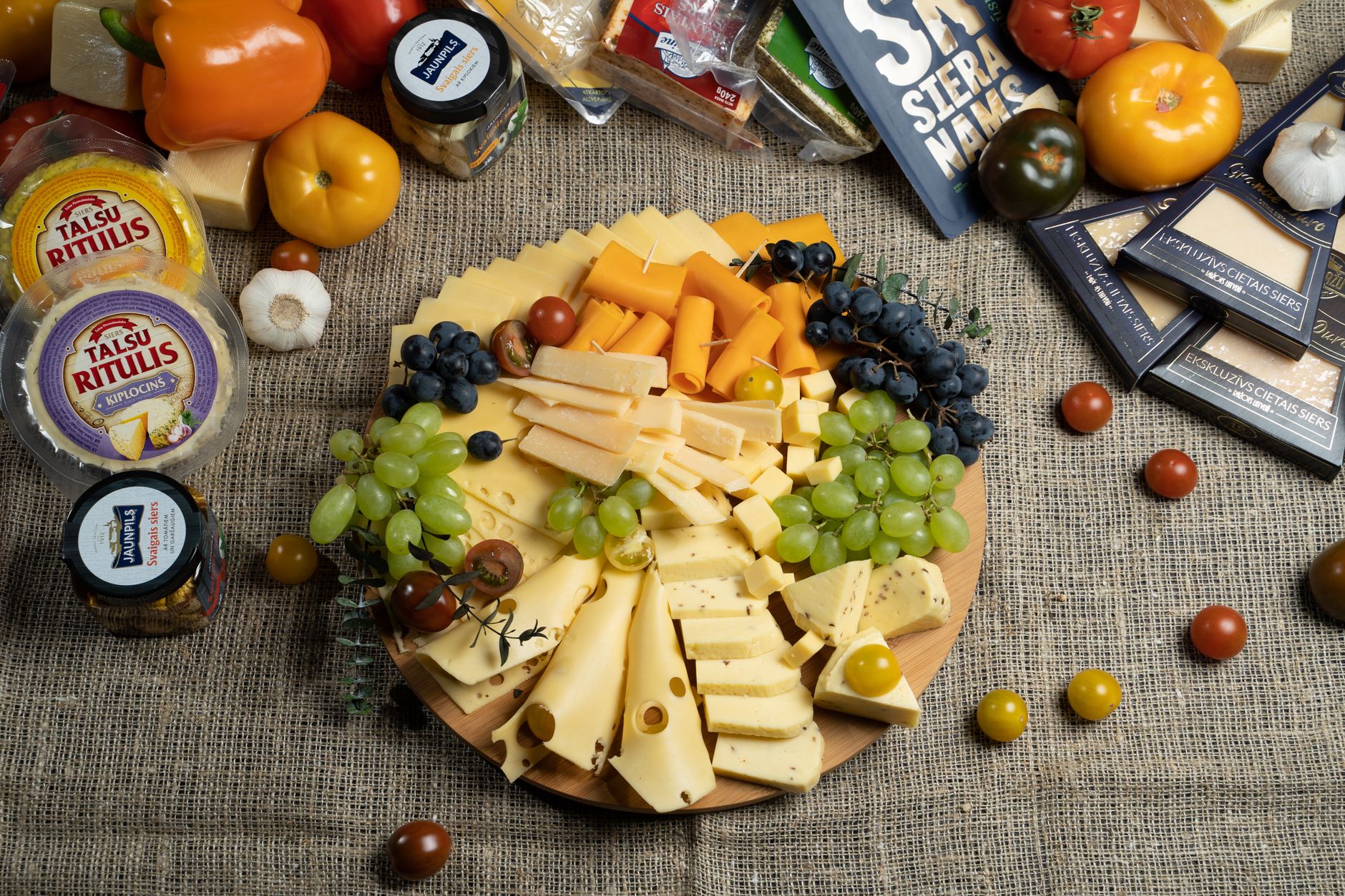
Cheese is a beloved dairy product enjoyed in various forms around the world, often distinguished by its color, flavor, and texture. One of the most common questions people have about cheese is why some varieties have a yellow hue. Understanding what makes cheese yellow not only enhances appreciation but also helps in selecting the right cheese for your culinary needs.
This article delves into the science behind the color of cheese, the ingredients that contribute to its yellow variations, and how this impacts its flavor and uses in cooking and serving. By the end, you’ll have a comprehensive understanding of this fascinating subject.
What Makes Cheese Yellow?
Cheese appears yellow primarily due to the presence of natural pigments, mainly beta-carotene, found in the milk used to make cheese. The diet of the cows, goats, or sheep, which includes grass and other forages rich in this pigment, directly affects the color of the milk and consequently the cheese. Other factors include the cheese-making process and the addition of coloring agents.
The Role of Beta-Carotene
Beta-carotene is a natural pigment present in many fruits and vegetables. It is a type of carotenoid, which gives color to foods such as carrots, sweet potatoes, and leafy greens. When dairy animals consume these foods, the pigments are deposited in their milk. Cheeses made from milk containing higher levels of beta-carotene will exhibit a yellow or orange color.
The Impact of Animal Feed
The color of the cheese is significantly influenced by the diet of the dairy animals. Cows that graze on fresh grass during the growing season have a higher beta-carotene content in their milk compared to those fed dry hay or grain.
- Grass-fed Cows: The milk from grass-fed cows typically produces cheese with a rich yellow hue due to the high beta-carotene levels in their diet.
- Grain-fed Cows: Cheese from these cows tends to be whiter or paler as grain lacks significant levels of beta-carotene.
Effects of Seasonal Changes
The color of cheese can also change with the seasons. During spring and summer, when grass is abundant and vibrant, cheeses tend to have a deeper yellow or orange color compared to those produced in winter months. This seasonal variation is a direct result of the diet rich in green grass, which is more prevalent during warmer months.
Natural vs. Artificial Coloring Agents
While beta-carotene is a natural coloring agent, some cheese producers add artificial dyes to enhance or standardize the color of their products. The two most commonly used dyes are:
- Annatto: Derived from the seeds of the achiote tree, annatto is a popular natural coloring agent used predominantly in the cheese-making process. It adds a vibrant yellow to orange color and is often used for cheddar and other semi-hard cheeses.
- Paprika: This spice, made from ground red peppers, is sometimes added for coloring in cheeses. It lends a reddish hue and is typically used in varieties like smoked cheeses.
The Role of Labeling
When purchasing cheese, it’s essential to check labels for any added colors or dyes. While many artisan cheeses rely on natural pigments, mass-produced varieties may incorporate synthetic additives to achieve a more uniform color.
Types of Yellow Cheese
Several cheese varieties are known for their distinct yellow colors, each contributing unique flavors and textures to dishes. Here are some popular types of yellow cheese:
Cheddar
Cheddar cheese is one of the most popular cheeses worldwide, ranging in color from white to deep orange. The richer the color, the more beta-carotene it often contains, especially when made from the milk of grass-fed cows. Cheddar is versatile, commonly used in everything from sandwiches to mac and cheese.
Gouda
This Dutch cheese can vary in color from pale yellow to deep gold. The aging process also contributes to its flavor complexity, ranging from sweet and creamy in young Gouda to nutty and sharp in aged varieties. Gouda pairs well with fruits and is often served on cheese boards.
Monterey Jack
Monterey Jack cheese has a mild flavor and a firm texture. It can appear in both white and yellow varieties; the yellow version is typically enhanced with annatto. This cheese melts beautifully, making it ideal for quesadillas and casseroles.
Colby
Colby cheese is similar to cheddar but has a softer texture and a milder flavor. It has an appealing orange color, attributed to the presence of annatto. Colby is great for snacking, sandwiches, and adding to cheese platters.
Flavor and Texture Considerations
The color of cheese is often indicative of its flavor profile and texture, though there are exceptions. Lighter cheeses tend to have milder flavors, while those that are darker often possess more complex and robust taste profiles.
How Color Influences Flavor
In many cases, darker cheeses may have more intense flavors due to aging or the quality of the milk, while lighter cheeses are typically younger and creamier. However, this isn’t an absolute rule, as factors such as the cheese-making process and region also play significant roles.
Texture Variations
The texture of cheese can vary widely, impacting how it’s used in recipes. Hard cheeses like aged cheddar have a sandy texture fit for grating, while softer varieties like Gouda are creamier and perfect for slicing or melting.
Uses of Yellow Cheese in Cooking
Yellow cheeses are incredibly versatile and can be incorporated into a variety of dishes. Here are some common applications:
Cooking and Baking
Yellow cheeses are excellent for cooking and baking, often contributing creaminess and flavor. Here are some popular dishes that benefit from the addition of yellow cheeses:
- Macaroni and Cheese: Cheddar and Monterey Jack are favorites for this comfort food staple.
- Quesadillas: Colby or Monterey Jack cheeses melt beautifully, making them ideal for cheesy quesadillas.
- Cheese Soufflé: A blend of aged cheddar adds depth to this light and airy dish.
Snacking and Cheese Boards
Cheese boards are a popular way to showcase various cheeses. Yellow cheeses like Gouda and Cheddar add visual appeal and pair well with fruits, nuts, and cured meats. Consider contrasting flavors and textures for balance on the board.
Pairing Yellow Cheese with Wine
The rich flavors of yellow cheese can complement many wines. A few classic pairings include:
- Cheddar: Pairs well with full-bodied reds like Cabernet Sauvignon or a crisp Chardonnay.
- Gouda: Aged Gouda complements rich, fruity wines like Merlot.
- Colby: This cheese goes well with a light white like Sauvignon Blanc.
Common Mistakes When Working with Cheese
Working with cheese can be straightforward, but there are a few common pitfalls to avoid:
- Storing Cheese Improperly: Cheese should be stored in the refrigerator, ideally wrapped in cheese paper or wax paper to allow it to breathe.
- Using Cold Cheese: For optimum flavor, bring cheese to room temperature before serving or cooking, as this enhances its aroma and taste.
- Overheating Cheese: When melting cheese, use low heat to prevent it from becoming greasy or clumpy.
Storage and Preservation of Yellow Cheese
Proper storage will help prolong the life of your yellow cheese. Here are some tips to keep your cheese fresh:
- Wrap Properly: Cheese should be wrapped in wax paper or cheese paper, followed by plastic wrap to avoid moisture loss.
- Refrigerate: Store cheese in the vegetable crisper section of your refrigerator where humidity levels are higher.
- Freeze Sparingly: While some cheeses can be frozen, it may alter their texture. Hard cheeses are more suitable for freezing than soft cheeses.
Conclusion
Understanding what makes cheese yellow enhances the appreciation and creativity in cooking with this beloved dairy product. The combination of natural pigments like beta-carotene, animal diet, and cheese-making methods contributes to the yellow tones. Knowing how to use these cheeses effectively in dishes helps maximize flavor and texture in your culinary endeavors.
For more delicious recipes and insights into cheese, consider exploring our guides on making cottage cheese mousse or a tasty Brazilian cheese bread. Whether you are crafting a cheese board or experimenting with new recipes, the world of cheese offers endless opportunities for culinary creativity.