
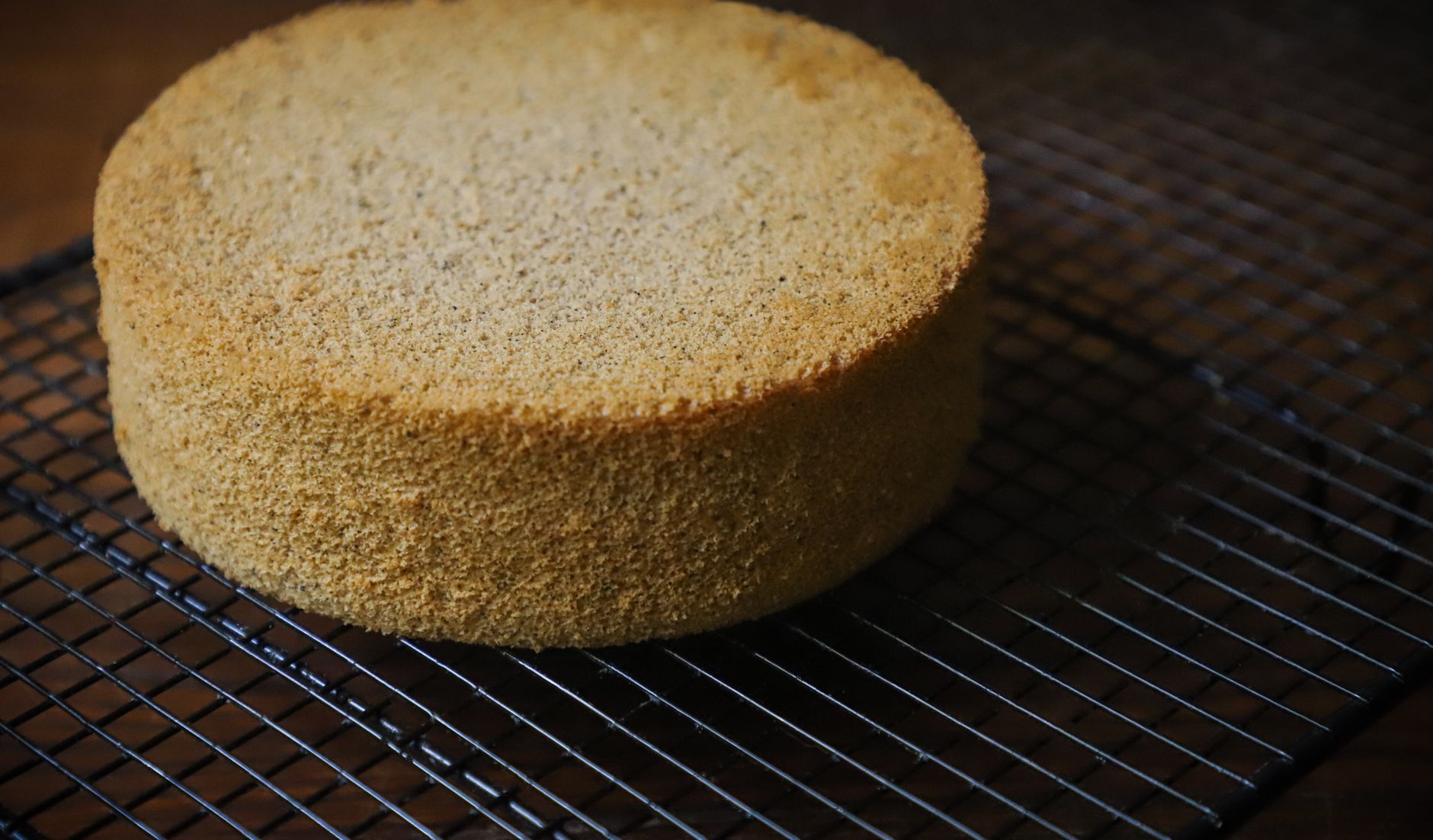
Cakes are often the star of celebrations, bringing joy with their fluffy textures and delightful flavors. Understanding what makes a cake rise is essential for anyone looking to bake perfect cakes every time. This article will explore the science behind cake rising, the role of different ingredients and techniques, and practical tips for achieving that ideal fluffy cake.
From the chemistry of leavening agents to the importance of egg structure, we will detail everything you need to know for light and airy cakes. Whether you’re a novice baker or looking to refine your skills, you’ll find helpful insights and suggestions that elevate your baking game.
What Makes Cake Rise?
Cake rises primarily due to the incorporation of air into the batter through mixing and the action of leavening agents. Leavening agents, typically baking powder or baking soda, produce carbon dioxide gas that creates bubbles, causing the cake to expand. Eggs also play a crucial role by providing structure and stability, enhancing the cake’s overall rise.
The Science Behind Rising Ingredients
Understanding the ingredients that help a cake rise is fundamental. Let’s break down the most important components:
1. Leavening Agents
Leavening agents are substances that produce gas bubbles in the batter, leading to a rise during the baking process. The most common leavening agents include:
- Baking Powder: A combination of baking soda and an acid; it acts as a leavening agent when combined with liquid and heat.
- Baking Soda: A pure alkaline compound that requires an acidic ingredient (such as yogurt or vinegar) to activate and produce carbon dioxide.
- Yeast: A living organism that ferments sugars, producing carbon dioxide gas. It is more common in bread making but can also be used in some cake recipes.
2. Eggs
Eggs are essential for cake structure. They not only provide moisture but also aid in aeration and emulsification. Beating eggs incorporates air, which helps the cake rise. The proteins in the eggs coagulate during baking, creating a stable structure that traps the air bubbles formed.
3. Flour
The type of flour used definitely influences how a cake rises. Cake flour, which has a lower protein content than all-purpose flour, creates a softer texture. The protein in flour creates gluten, which provides strength and supports the cake’s structure. However, too much gluten can lead to a tough cake, so the right balance is critical.
4. Sugar
Sugar is more than a sweetener; it also influences texture and moisture. It helps hold onto moisture during baking and can assist in the aeration process when creamed with butter. Sugar increases the volume of batter and adds a delicate crumb structure to cakes.
5. Fats
Fats like butter, oil, or shortening help to create a tender texture by coating the flour proteins and limiting gluten formation. They also help in aeration when creamed with sugar, trapping air to assist in rising.
Mixing Techniques for Optimal Rising
How you mix your batter can significantly affect the final rise of your cake. Here are some essential techniques:
1. Creaming Method
This method involves beating butter and sugar together until light and fluffy before adding other ingredients. This incorporation of air is crucial for a good rise. It’s essential to scrape down the sides of the bowl regularly to ensure even mixing.
2. Whipping Eggs
When a recipe calls for eggs, whipping them until fluffy can help integrate air into the batter. This technique is particularly important in foam cakes where the egg structure is key for lift.
3. Folding Technique
Folding gently can help retain air bubbles that have been incorporated, especially when adding whipped egg whites or whipped cream to a batter. It’s important to avoid over-mixing at this stage, which could deflate the air pockets.
Common Cake-Making Mistakes That Affect Rise
Baking can be tricky, and several common mistakes can lead to underwhelming results. Here are some missteps to avoid:
1. Wrong Oven Temperature
Baking at too low a temperature can prevent the cake from rising properly, while too high a temperature can lead to a cake that rises rapidly and then collapses. Always preheat your oven and use an oven thermometer to ensure accurate temperatures.
2. Incorrect Measurements
Precision matters in baking. Ensure you’re measuring ingredients like flour, sugar, and leavening agents accurately. A kitchen scale can help achieve consistent results.
3. Overmixing the Batter
While it’s essential to combine ingredients well, overmixing can create excess gluten, resulting in a dense cake. Mix until just combined, especially after adding flour.
4. Skipping Ingredients
Missing a key ingredient such as baking powder or eggs could significantly impact your cake’s ability to rise. Always double-check your recipe before mixing!
Practical Tips for Baking a Great Cake
To help you on your baking journey, here are some practical tips that can enhance your cake’s rise and overall quality:
1. Room Temperature Ingredients
Many cake recipes call for butter, eggs, and milk to be at room temperature. Ingredients that are at the same temperature mix more easily and help create a better emulsion, leading to a fluffier batter.
2. Utilize the Right Cake Pan
The type of pan and its size can affect how your cake bakes. Dark pans absorb heat, resulting in a different texture than light-colored or glass pans. Always follow the recipe recommendations for pan types and sizes.
3. Don’t Open the Oven Door
Resist the temptation to open the oven door while baking, especially in the first 20 minutes. Sudden temperature changes can cause the cake to collapse.
4. Use Fresh Ingredients
Always use fresh leavening agents and ingredients. Expired baking powder or soda will not rise effectively, and stale flour may impact texture or taste.
Cake Rise: Final Thoughts
Understanding what makes cake rise helps you become a more confident baker. By focusing on the roles of ingredients, mixing techniques, and common pitfalls, you can set yourself up for success in the kitchen. With these tips in mind, whether you’re baking a vanilla sponge or a chocolate layer cake, you’ll find that light, fluffy cakes are well within your reach.
Next time you’re ready to bake, remember to check your ingredients, pay attention to measurements, and don’t rush through mixing. For those interested in exploring recipes, check out the delicious sour cream pound cake recipe or buttermilk pound cake recipe for more delicious cake ideas!