
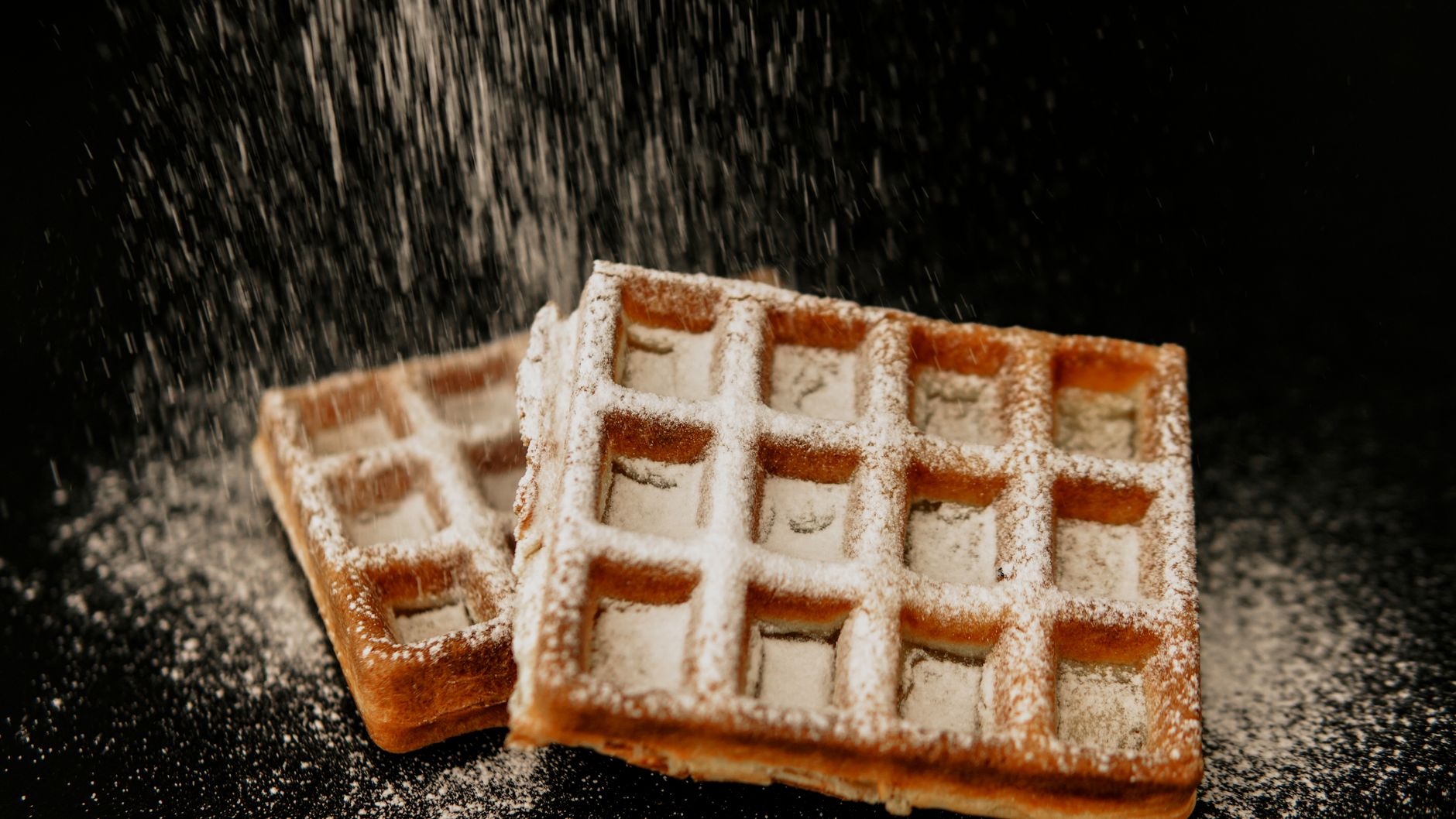
Belgian waffles have gained fame worldwide, often celebrated for their fluffy texture and unique deep pockets perfect for holding syrup and toppings. But what truly differentiates a Belgian waffle from its counterparts? This article explores the origins, characteristics, and culinary uses of Belgian waffles, providing you with a comprehensive guide to understand and appreciate this delightful breakfast staple.
From the use of specific ingredients to cooking techniques and topping ideas, this piece will serve as a resource for anyone interested in mastering Belgian waffles, whether at home or in a professional kitchen.
What Makes a Waffle Belgian?
A Belgian waffle is characterized by its light, airy texture, distinct deep pockets, and crisp exterior. Traditional Belgian waffles are usually larger and thicker than other waffle types, often made from a yeast-based batter or a lighter batter incorporating whipped egg whites. These elements create a fluffy interior, making them perfect for holding toppings like whipped cream, fresh fruits, or flavored syrups.
History of Belgian Waffles
Belgian waffles originated in Belgium, where they have been enjoyed since the Middle Ages. They gained popularity in the United States during the 1964 New York World’s Fair, where they were introduced by a Belgian immigrant named Walter Clément. His waffles, known for their size and deep pockets, quickly captured the hearts of fair-goers and became a staple breakfast dish across the country.
Key Ingredients for Belgian Waffles
The magic of Belgian waffles lies in their ingredients that contribute to their distinctive texture and flavor. Here’s a closer look at the essential components:
- Flour: All-purpose flour is typically used for its balance of gluten content, but other flours like whole wheat or gluten-free alternatives can be employed as well.
- Leavening Agents: While traditional Belgian waffles use yeast, baking powder is also a common leavening agent in quicker recipes, ensuring the waffles rise and maintain their fluffiness.
- Eggs: Eggs add richness and moisture to the batter. Whipping the egg whites separately can help achieve an even lighter texture.
- Dairy: Milk or buttermilk is used to create a batter with the right consistency. Some recipes may call for melted butter for added flavor.
- Vanilla and Sugar: Vanilla extract and sugar enhance the sweetness and flavor, contributing to a deliciously fragrant waffle.
Characteristics of Belgian Waffles
To distinguish Belgian waffles from other types like American or Bruxelles waffles, we examine their unique characteristics:
- Thickness and Size: Belgian waffles are generally larger and thicker than American waffles, typically measuring about 7 to 8 inches in diameter.
- Deep Pockets: The deep indentations in Belgian waffles allow for ample space to hold toppings, making them more suitable for decadent presentations.
- Crisp Exterior: The outside is crisp, thanks to a higher fat content and cooking temperature, while the inside remains airy and soft.
- Yeast or Whipped Eggs: Traditional recipes often involve yeast or whipped egg whites, contributing to their characteristic rise and light texture.
Essential Equipment for Making Belgian Waffles
To successfully create Belgian waffles at home, you will need the following equipment:
- Belgian Waffle Iron: Invest in a quality Belgian waffle iron with deep grids to achieve the perfect texture and size.
- Mixing Bowls: Use a set of mixing bowls for combining dry and wet ingredients separately.
- Whisk and Spatula: A whisk for blending ingredients and a heatproof spatula for transferring waffles are essential.
- Measuring Cups and Spoons: Accurate measurements ensure a balanced batter.
A Basic Belgian Waffle Recipe
This basic recipe yields about four large Belgian waffles, perfect for serving at breakfast or brunch.
Ingredients
- 2 cups all-purpose flour
- 2 tablespoons sugar
- 1 tablespoon baking powder
- 1/2 teaspoon salt
- 2 large eggs
- 1 and 3/4 cups milk (or buttermilk for extra flavor)
- 1/2 cup melted butter
- 1 teaspoon vanilla extract
Preparation Time
- Preparation: 15 minutes
- Cooking: 15 minutes
- Total: 30 minutes
Instructions
- Preheat the Belgian waffle iron according to the manufacturer’s instructions.
- In a large bowl, whisk together the flour, sugar, baking powder, and salt.
- In another bowl, beat the eggs and then add the milk, melted butter, and vanilla extract. Mix until well combined.
- Pour the wet ingredients into the dry ingredients, stirring gently until just incorporated. Be careful not to overmix; some lumps are okay.
- If desired, lightly beat the egg whites and fold them into the batter for extra fluffiness.
- Grease the waffle iron with non-stick cooking spray or a small amount of oil.
- Pour the appropriate amount of batter into the preheated waffle iron (usually about 1 to 1.5 cups, depending on the iron size) and close the lid. Cook until golden brown, typically 4-5 minutes.
- Carefully remove the waffle and serve warm with your choice of toppings.
Toppings and Serving Suggestions
Belgian waffles are versatile and can be dressed up or down based on personal preference. Here are some popular toppings to consider:
- Fresh Fruits: Strawberries, blueberries, and bananas are excellent choices. Serve them whole or sliced on top.
- Whipped Cream: A dollop of whipped cream adds richness and a delightful contrast in texture.
- Syrups: Maple syrup, chocolate sauce, or fruit compotes are classic toppings that complement the waffle’s flavor.
- Nuts and Seeds: A sprinkle of walnuts, almonds, or chia seeds adds a satisfying crunch.
- Ice Cream: For a decadent treat, serve waffles with a scoop of ice cream for dessert.
Common Mistakes When Making Belgian Waffles
When making Belgian waffles, it’s easy to encounter a few common pitfalls. Here are some tips to avoid them:
- Overmixing the Batter: Mixing the batter too much can lead to tough waffles. Aim for a few lumps in the batter for the best texture.
- Underheating the Waffle Iron: If the iron is not hot enough, the waffles may turn out soggy. Ensure the iron is preheated before pouring in the batter.
- Not Greasing the Waffle Iron: Forgetting to grease the surface can result in sticky waffles that are difficult to remove.
- Using the Wrong Ratio of Batter: Using too much batter can cause spills, while too little may lead to thin waffles. Understand your waffle iron’s portion size for optimal results.
Variations on Belgian Waffles
Belgian waffles offer an array of possibilities for customization to suit varying tastes. Here are some ideas to mix things up:
- Chocolate Belgian Waffles: Incorporate cocoa powder into the batter for a rich, chocolatey twist.
- Savory Belgian Waffles: Add herbs and spices such as rosemary, cheese, or cooked bacon for a savory version.
- Gluten-Free Options: Use a gluten-free flour blend in place of regular flour to make the dish accessible to those with dietary restrictions.
- Fruit-Infused Batter: Mix diced fruits like apples or blueberries directly into the batter for extra flavor.
Storage and Reheating Tips
Should you have any leftover waffles, proper storage is key to maintaining their deliciousness:
- Storage: Allow waffles to cool completely before placing them in an airtight container. They can be stored in the refrigerator for up to 3 days or in the freezer for up to 2 months.
- Reheating: For optimal results, reheat frozen waffles in a toaster or oven to regain their crisp texture. If using a microwave, heat them briefly to prevent sogginess.
Meal Planning with Belgian Waffles
Belgian waffles can easily fit into a meal planning strategy. Consider these tips for incorporating them into your weekly menus:
- Batch Preparation: Make a large batch on the weekend and freeze individual waffles for quick breakfasts during the week.
- Mix and Match: Serve Belgian waffles with a variety of toppings for themed breakfast nights, allowing for family favorites while keeping meals interesting.
- Pairing with Other Dishes: Belgian waffles can be served alongside eggs, fresh fruit, and yogurt for a well-rounded breakfast.
Conclusion
Understanding what makes a waffle Belgian allows you to appreciate its delightful fluffiness, deep pockets, and versatility in serving. Whether you’re preparing them for a special occasion or a casual weekend breakfast, the key is in the right ingredients and techniques. Next time you’re ready to whip up a batch, remember the essential tips and feel free to experiment with flavors and toppings for a truly unique experience.
For more culinary inspiration, check out our gluten-free waffle recipe or try making a delicious mochi waffle. Happy cooking!