
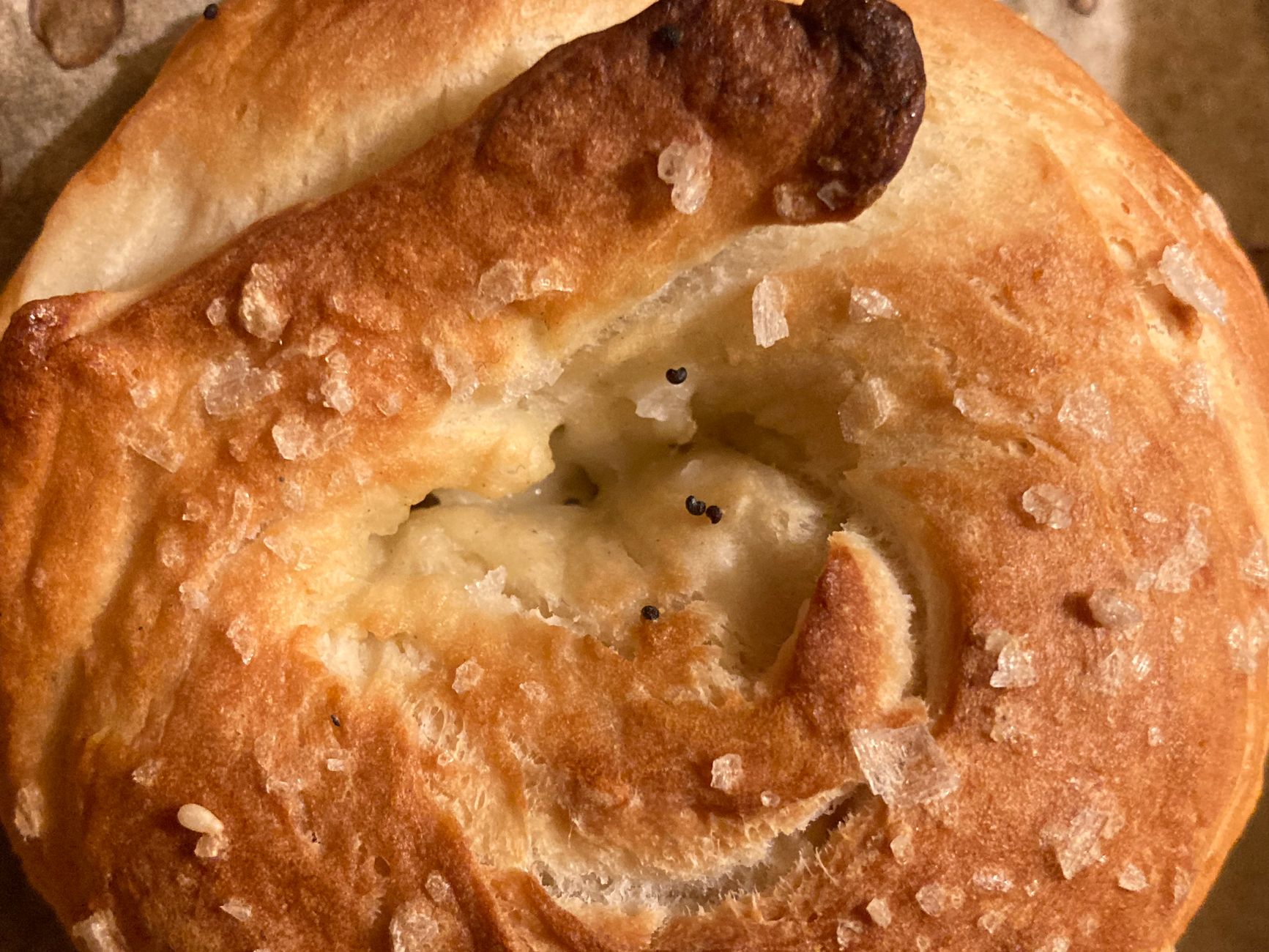
When you see a pretzel, whether it’s the classic twisted shape or a modern variation, what truly defines it? The answer lies not just in the visual appeal but in the specific ingredients, techniques, and processes involved in its creation. This article explores what makes a pretzel unique, from its dough to its iconic flavor.
In addition to understanding the components of pretzels, you’ll also learn how to incorporate them into your cooking and baking repertoire. Get ready to uncover the delightful specifics that make a pretzel a pretzel.
What Makes a Pretzel a Pretzel?
A pretzel is distinct primarily due to its unique shape, specific ingredients, and the process of baking that involves an alkaline solution. Traditional pretzels have a chewy texture and a deep-brown crust, which is achieved through these essential elements. The method of boiling the dough in a baking soda solution before baking provides that classic pretzel flavor and texture.
The Key Ingredients of Pretzels
Understanding the core ingredients in pretzel dough is crucial to grasping what makes a pretzel special. Here are the main ingredients typically used:
- Flour: All-purpose flour is commonly used, although bread flour can also be utilized for a chewier texture.
- Water: Essential for hydrating the flour and forming the dough.
- Yeast: This is what helps the dough rise and contributes to its flavor. Both active dry yeast and instant yeast are suitable.
- Salt: Adds flavor and strengthens the dough structure.
- Sugar: Often included to feed the yeast and enhance the browning process.
- Baking soda: Used in the boiling process, creating the signature crust and deep brown color.
The Science of Pretzel Dough
The dough’s development is fundamental to achieving the desired texture of a pretzel. Here’s how each ingredient contributes:
- Flour: Protein content affects the structure. Higher protein flour (like bread flour) results in a denser, chewier pretzel.
- Water: The right hydration level is critical. Too little water leads to a dry pretzel, while too much creates a sticky dough that’s difficult to shape.
- Yeast: The fermentation process enhances flavor and gives the dough its rise. This also contributes to the pretzel’s unique taste compared to other bread types.
- Salt: Besides flavor, salt plays a part in controlling yeast activity, preventing over-fermentation.
- Sugar: Aids in yeast activity, further enhancing the pretzel’s flavor profile.
The Boiling Process: A Unique Step
What truly separates pretzels from other baked goods is the step of boiling the formed dough in a baking soda solution. This critical technique enhances the pretzel’s flavor, texture, and color.
Why Boil in Baking Soda Solution?
Boiling the pretzel dough in a solution of water and baking soda serves multiple purposes:
- Texture: The boiling process gelatinizes the outer layer of starch, contributing to the chewy texture that pretzels are known for.
- Flavor: The alkalinity from the baking soda alters the dough’s pH, resulting in browning reactions that enhance flavor during baking.
- Color: This alkaline treatment helps achieve the deep golden-brown color characteristic of traditional pretzels.
Shaping Pretzels
After preparing the dough, shaping it correctly is essential. Traditional pretzel shapes can vary, but the classic twist is the most recognizable. The method includes:
- Divide the dough into equal pieces, usually about 3 to 4 ounces.
- Roll each piece into a long rope, about 24 inches long.
- Form a U shape with the rope, then twist the ends over each other, and fold them back down to form the characteristic shape.
- Pinch the ends to ensure they stay secured during boiling and baking.
Common Pretzel Variations
While traditional pretzels are classic, there are numerous exciting variations to explore. Here are a few popular ones:
- Soft Pretzels: These are chewy and usually enjoyed warm, often served with mustard or cheese sauce.
- Hard Pretzels: Made by baking the dough longer without boiling, resulting in a crunchy texture.
- Stuffed Pretzels: Filled with cheese, meats, or other fillings before baking.
- Flavored Pretzels: Incorporating spices or toppings such as cinnamon sugar or garlic butter after baking for varied flavors.
Essential Kitchen Equipment for Making Pretzels
To make pretzels at home, it’s helpful to have the following equipment:
- Mixing bowl
- Measuring cups and spoons
- Wooden spoon or dough hook attachment for a stand mixer
- Plastic wrap or kitchen towel for covering the dough during rising
- LARGE saucepan for boiling
- Baking sheet lined with parchment paper
- Bench scraper for cutting and shaping dough
Common Mistakes and Troubleshooting
Even with all the right ingredients and equipment, mistakes can happen. Here are some common pitfalls and how to avoid them:
- Dough Too Sticky: This can be due to too much water. Try adding a little more flour gradually until the dough becomes manageable.
- Flat Pretzels: Ensure to allow enough time for the dough to rise. Underproofed pretzels won’t hold their shape.
- Pretzels Not Brown Enough: Make sure your baking soda solution is correct and sufficiently alkaline, and bake them long enough for proper browning.
Storing and Reheating Pretzels
Store pretzels at room temperature in an airtight container to maintain their softness. Here’s how to keep them for maximum freshness:
- Room Temperature: Pretzels are best enjoyed fresh but can be kept for up to two days.
- Freezing: Wrap them tightly in plastic wrap followed by aluminum foil and freeze for up to 3 months.
- Reheating: For best results, reheat pretzels in the oven at 350°F (175°C) for about 5-10 minutes to restore their chewiness.
Practical Serving Suggestions
Besides their standalone appeal, pretzels pair wonderfully with various dips and sides. Here are some suggestions:
- Mustard: A classic dipping sauce, with options ranging from yellow mustard to spicy brown.
- Cheese Sauce: Creamy cheese sauces enhance the savory flavor of pretzels.
- Hummus: A healthier option for those looking to pair pretzels with a dip.
- Beer Cheese Dip: A favorite pairing at many bars and beer gardens, combining flavors in a delightful fusion.
What to Pair with Pretzels
When planning a menu featuring pretzels, consider complementary flavors:
- Offer a variety of dips to cater to different tastes.
- Serve pretzels alongside craft beers or soft drinks.
- Incorporate pretzels into a charcuterie board for an appealing mix of flavors and textures.
Making Pretzels from Scratch: A Step-by-Step Guide
If you’re ready to try your hand at making pretzels, follow this step-by-step guide:
Yield, Preparation, and Cooking Times
Yield: About 8 pretzels
Preparation Time: 15 minutes
Proofing Time: 1 hour
Boiling & Baking Time: 20 minutes
Total Time: 1 hour 35 minutes
Ingredients
- 4 cups all-purpose flour
- 1 ½ cups warm water (about 110°F or 43°C)
- 1 packet (2 ¼ teaspoons) active dry yeast
- 1 tablespoon sugar
- 2 teaspoons salt
- ⅓ cup baking soda (for boiling)
- Coarse salt for topping
Step-by-Step Method
- In a mixing bowl, dissolve sugar in warm water, then add yeast. Let it sit for about 5 minutes until it becomes frothy.
- Add salt and flour to the yeast mixture. Stir until a dough forms.
- Knead the dough on a floured surface for about 5-7 minutes until smooth. Place in a greased bowl, cover with plastic wrap, and let rise for 1 hour.
- Preheat the oven to 425°F (220°C) and line a baking sheet with parchment paper.
- Once risen, punch down the dough and divide it into 8 equal pieces.
- Roll each piece into a 24-inch rope. Shape as desired.
- In a large pot, bring 10 cups of water to a boil and add baking soda. Carefully drop each pretzel into the boiling water for about 30 seconds, then remove with a slotted spoon.
- Place pretzels on the baking sheet, sprinkle with coarse salt, and bake for 12-15 minutes or until golden brown.
- Allow to cool on a wire rack before serving.
Why You Should Make Pretzels at Home
There’s a joy in making pretzels from scratch. The satisfaction of creating something tasty and unconventional is unmatched, especially when you gather friends or family to enjoy them fresh out of the oven. Plus, homemade pretzels allow you to experiment with ingredients and flavors, tailoring them to your preferences.
As you explore the world of pretzels, remember this: they bridge cultures, make excellent snacks, and are enjoyable in so many variations. Check out links for delicious Auntie Anne’s Pretzel Recipe and Pretzel Bun Recipe to expand your pretzel-making repertoire.