
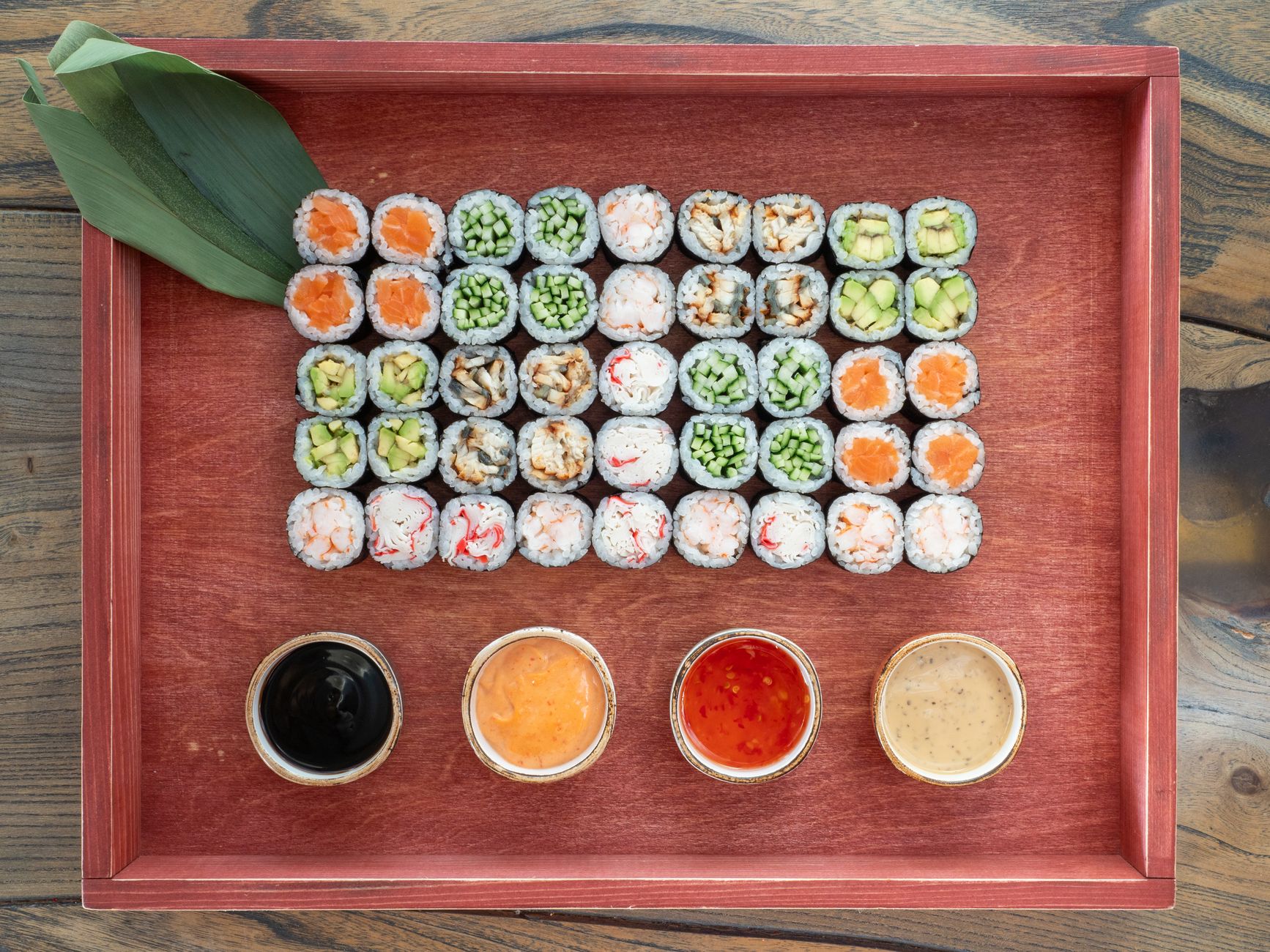
Sushi is a traditional Japanese dish that has gained immense global popularity. It consists of vinegared rice paired with various ingredients, primarily seafood, vegetables, and occasionally tropical fruits. The unique flavors and textures of sushi make it a delightful and versatile meal option.
In this article, we will explore the different types of sushi, their flavors, and culinary uses. We will break down the components of sushi and provide insights into the cooking techniques involved in preparing this exquisite dish.
What Kind Of Food Is Sushi?
Sushi is primarily characterized as a dish made from vinegared rice paired with various ingredients, most commonly raw or cooked seafood, vegetables, and seasonings. Sushi can be served in various forms, appealing to a wide range of taste preferences.
Types of Sushi
There are several varieties of sushi, each with its unique preparation method and presentation style. Here are the most common types:
1. Nigiri
Nigiri sushi features hand-formed rice balls topped with slices of fish or seafood. The rice is seasoned with vinegar for a tangy flavor, and the topping is often brushed with soy sauce or other sauces for added taste. This type of sushi highlights the quality of the fish.
2. Maki
Maki sushi consists of rice and filling rolled in seaweed (nori) and then sliced into bite-sized pieces. There are several subcategories of maki, including:
- Uramaki: Inside-out rolls where the rice is on the outside and the seaweed wraps the filling.
- Hosomaki: Thin rolls that typically contain one type of filling, such as cucumber or tuna.
- Futomaki: Thick rolls that contain multiple fillings, often including vegetables and seafood.
3. Sashimi
Sashimi is not technically sushi because it does not contain rice. It consists solely of thinly sliced raw fish or seafood served with wasabi and soy sauce. Sashimi is often accompanied by garnishes such as sliced radish or shiso leaves.
4. Temaki
Temaki is a cone-shaped sushi roll made by rolling seaweed around rice and various fillings. This sushi is typically eaten by hand and is great for a casual dining experience.
5. Chirashi
Chirashi, or “scattered sushi,” is a bowl of sushi rice topped with a variety of sashimi and garnishes. This form of sushi is a versatile option as it allows for creative presentation and combinations of toppings.
6. Inari
Inari sushi consists of sushi rice encased in a pocket of seasoned tofu skin. It is often sweet and offers a unique flavor profile compared to other types of sushi.
Flavor Profile of Sushi
The flavor of sushi is intricately tied to its ingredients. Key components that contribute to sushi’s taste include:
1. Rice
The primary foundation of sushi is the rice, which is sticky and flavored with a mix of rice vinegar, sugar, and salt. The balance of sweet, sour, and salty enhances the overall flavor of the dish.
2. Fish and Seafood
Fresh fish and seafood bring diverse flavors ranging from sweet to briny. Common choices include tuna, salmon, shrimp, eel, and octopus. The quality of the seafood directly affects the taste of the sushi.
3. Vegetables
Fresh vegetables such as cucumber, avocado, and radish add crunch and freshness, balancing the richer flavors of seafood. Pickled vegetables, like ginger or daikon radish, offer acidity that complements the richness of the sushi.
4. Seasonings and Sauces
Sauces such as soy sauce, ponzu, and eel sauce enhance the flavors, while wasabi adds heat. Each ingredient plays a distinct role in achieving the harmonious flavor profile that sushi is known for.
Cooking Techniques for Preparing Sushi
Preparing sushi requires specific techniques that can be mastered with practice. Here are essential methods involved in sushi preparation:
1. Preparing Sushi Rice
- Start by rinsing sushi rice in cold water, removing excess starch.
- Cook the rice using a rice cooker or pot with a 1:1.2 ratio of rice to water.
- Once cooked, let the rice steam covered for 10-15 minutes.
- Transfer the rice to a wooden or flat container and mix in a dressing made from rice vinegar, sugar, and salt while fanning the rice to cool it down.
2. Cutting Fish and Vegetables
Fish and vegetables should be cut into uniform pieces for consistency in presentation and flavor. When slicing fish for nigiri or sashimi, it’s crucial to use a sharp knife and cut against the grain to ensure tenderness.
3. Rolling Maki
- Lay a sheet of nori on a bamboo sushi mat, shiny side down.
- Wet your hands to prevent sticking, and spread a thin layer of sushi rice over the nori, leaving about an inch at the top edge.
- Add your choice of fillings at the bottom edge.
- Using the bamboo mat, roll the sushi tightly from the bottom to the top. Seal the edge with a bit of water.
- Slice the roll into pieces with a sharp, wet knife.
4. Making Temaki
- Take a sheet of nori and cut it in half diagonally.
- Place a small amount of sushi rice on the bottom of the nori triangle and add your fillings.
- Roll the nori into a cone shape, folding the rice and fillings inside.
Common Mistakes When Making Sushi
While sushi preparation can be enjoyable, common errors can hinder results. Here are some pitfalls to avoid:
- Not using sushi rice: Regular rice will not yield the correct texture and stickiness needed for sushi.
- Over-seasoning the rice: The vinegar seasoning should enhance the flavor, not overpower it. Balance is key.
- Using low-quality fish: Freshness is critical for sushi, so always opt for high-quality seafood from a trusted source.
- Cutting fish poorly: Ensure your knife is sharp and cut against the grain for tender slices.
- Not wetting hands: Wetting your hands prevents rice from sticking and helps in handling ingredients effectively.
Serving Sushi: Tips and Presentation
When it comes to serving sushi, presentation is crucial. Here are tips to make your sushi visually appealing:
- Use a clean plate or a bamboo sushi board to present your sushi.
- Arrange different types of sushi neatly, ensuring a variety of colors and shapes.
- Garnish with pickled ginger, wasabi, and sliced vegetables to enhance presentation.
- Serve with small dipping bowls of soy sauce for an authentic experience.
Storage and Reheating Guidance
Fresh sushi should ideally be consumed immediately to preserve quality and flavor. However, if you need to store sushi, follow these guidelines:
- Refrigerate any leftover sushi in an airtight container for up to 24 hours.
- Do not freeze sushi, as it will change the texture of the rice and fish.
- If reheating cooked sushi, use a microwave on low power to avoid drying it out. And remember, raw seafood should be consumed fresh.
Variations and Substitutions
There are many ways to customize sushi based on personal preferences or dietary restrictions. Here are ideas for variations and substitutions:
- Vegetarian Sushi: Use vegetables such as cucumber, avocado, carrots, and mushrooms in place of seafood.
- Gluten-Free Sushi: Ensure the soy sauce is gluten-free, and substitute the rice vinegar with a gluten-free version if necessary.
- Different Fillings: Experiment with cooked seafood, crab meat, or tofu for diverse flavors.
Conclusion
Sushi is more than just a meal; it is an art form that combines flavors, textures, and presentation. By understanding the various types of sushi, their ingredients, and cooking techniques, you can appreciate this culinary delight fully. Whether you choose to enjoy sushi in a restaurant or try making it at home, the possibilities are endless, and experimentation is encouraged!
Explore related recipes or cooking tips to enhance your culinary skills: What is sushi?, Eel sauce recipe.