
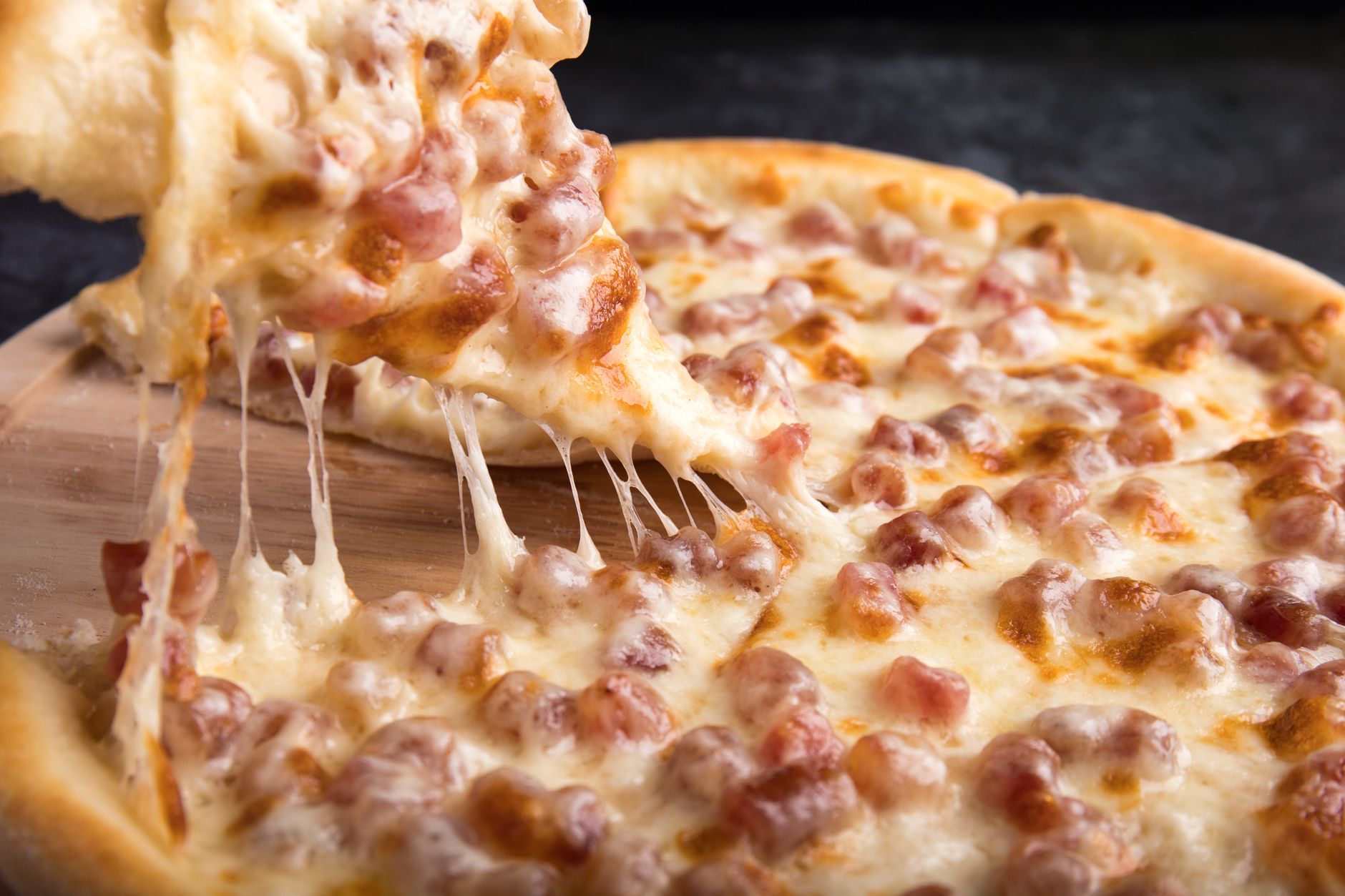
When it comes to pizza, cheese is often regarded as the star ingredient. The variety of cheeses you can use not only influences the flavor but also affects the texture, meltability, and overall experience of the pizza. Understanding what kind of cheese works best for your pizza can elevate the dish from ordinary to extraordinary.
This article will delve into the various types of cheese used on pizza, their flavors, and how they can be used effectively in cooking. Whether you’re a pizza purist or enjoy experimenting with gourmet toppings, this guide serves as a comprehensive resource for cheese in the world of pizza.
What Kind of Cheese on Pizza?
The kind of cheese you choose for your pizza impacts flavor, texture, and overall enjoyment. Classic mozzarella is a popular choice, but other cheeses such as provolone, gouda, and parmesan can enhance your pizza experience. Depending on your preferences, you might explore blends or specialty cheeses for unique flavor profiles.
What are the Different Types of Cheese for Pizza?
Several types of cheese are commonly used on pizza, each bringing its unique characteristics to the table. Here’s a detailed look at the most popular cheeses for pizza:
1. Mozzarella
Mozzarella is the quintessential pizza cheese. Known for its mild flavor and excellent melting qualities, it creates that classic stretchy cheese effect. Traditionally made from buffalo milk in Italy, mozzarella can also be produced from cow’s milk, offering a more readily available option.
- Flavor: Mild and creamy.
- Texture: Soft and stretchy when melted.
- Cooking Uses: Ideal for traditional pizzas, baked pastas, and casseroles.
2. Provolone
Provolone is a semi-hard cheese that hails from southern Italy. It has a slightly sharper taste than mozzarella, which can complement the other ingredients on your pizza.
- Flavor: Sharp and tangy.
- Texture: Smooth and creamy.
- Cooking Uses: Works well on gourmet pizzas or pizza with savory toppings like prosciutto and arugula.
3. Parmesan
Parmesan is a hard cheese that is often used as a finishing touch on pizzas. While not typically used as the main cheese, it adds depth and a nutty flavor to complement mozzarella.
- Flavor: Nutty and savory.
- Texture: Granular and hard.
- Cooking Uses: Sprinkle on top of pizzas before or after baking for added flavor.
4. Cheddar
Cheddar cheese can be a flavorful alternative to mozzarella. Its sharpness provides a distinct flavor that pairs well with various toppings.
- Flavor: Sharp and tangy.
- Texture: Firm and crumbly in comparison to mozzarella.
- Cooking Uses: Great for barbecue chicken pizzas or mixed with mozzarella in blends.
5. Gouda
Gouda is known for its rich, buttery flavor. Whether smoked or young, it can add a unique taste to pizzas.
- Flavor: Rich and creamy; smoked gouda has a slightly sweet and smoky flavor.
- Texture: Creamy and gooey when melted.
- Cooking Uses: Pairs well with toppings like caramelized onions and mushrooms.
6. Ricotta
Ricotta can be used as a pizza topping or drizzled over the pizza after baking. It adds creaminess and a fresh flavor to the dish.
- Flavor: Mild and slightly sweet.
- Texture: Creamy and somewhat grainy.
- Cooking Uses: Perfect for white pizzas, dolloped on top with spinach and herbs.
7. Feta
Feta cheese is crumbly and salty, providing a great contrast to other softer cheeses on your pizza.
- Flavor: Tangy and salty.
- Texture: Crumbly and soft.
- Cooking Uses: Great for Mediterranean-style pizzas with olives and spinach.
8. Fontina
Fontina is a semi-soft cheese that melts well and offers a rich, nutty flavor.
- Flavor: Rich and earthy.
- Texture: Smooth and creamy.
- Cooking Uses: Works well in white pizzas or as part of a three-cheese blend.
Blending Cheeses for Flavors
Combining different cheeses can lead to exciting flavor profiles. For instance, using mozzarella as a base cheese and blending it with provolone and parmesan creates a more complex flavor with better meltability.
Popular Cheese Blends
- Three-Cheese Blend: Mozzarella, provolone, and parmesan.
- Italian Delicacy: Mozzarella, ricotta, and feta for a rich and creamy pizza.
- Bold Flavors: Cheddar, gouda, and mozzarella for a unique taste.
Considering Texture and Meltability
Different cheeses not only offer unique flavors but also vary in how they melt and stretch. Mozzarella is the best for that gooey texture, while harder cheeses like parmesan can provide a crispy finish.
Characteristics of Melting Cheeses
| Cheese Type | Meltability | Stretchiness |
|---|---|---|
| Mozzarella | Excellent | High |
| Provolone | Good | Medium |
| Parmesan | Poor | Low |
| Cheddar | Good | Medium |
| Gouda | Good | Medium |
Making a Cheese Selection
Choosing the right cheese for your pizza can depend on several factors: flavor preferences, dietary restrictions, and the other pizza toppings. Here are some considerations:
- Flavor Compatibility: Choose cheeses that complement your toppings.
- Melt and Texture: Think about how you want your cheese to behave when melted.
- Dietary Preferences: Consider using lactose-free or vegan cheese options if needed.
Substitutions and Variations
If you find yourself without a particular cheese, several alternatives can be effective:
- For Mozzarella: Use low-moisture cheese for similar flavor and meltability.
- For Parmesan: Pecorino Romano is a great substitute with a similar flavor profile.
- For Ricotta: Cottage cheese can offer a similar texture, though with a different taste.
Common Mistakes to Avoid
Here are some pitfalls to watch out for when selecting cheese for your pizza:
- Using pre-shredded cheese can lead to lifestyle changes in texture and flavor due to added preservatives.
- Overloading the pizza with cheese can result in a greasy and heavy dish.
- Neglecting to balance flavors from the cheese and toppings can lead to overwhelming profiles.
Serving Suggestions
Creating a pizza is just part of the experience; serving it correctly enhances enjoyment. Here are some tips:
- Consider offering a variety of cheeses as an option for guests to create their own custom pizzas.
- Serve with fresh herbs like basil or oregano to enhance the cheese flavors.
- Pair with a dipping sauce, such as ranch or marinara, to complement the flavors.
Storage and Reheating Cheese
Proper storage and reheating of cheese leftovers can help maintain quality:
- Store leftover cheeses in airtight containers in the refrigerator.
- Reheat leftover pizza in the oven to preserve the cheese’s texture.
- Avoid microwaving as it can lead to rubbery cheese.
Conclusion
Understanding what kind of cheese to use on pizza is crucial to crafting the perfect pie. By choosing blends that complement each other and considering texture and meltability, you can create a delicious pizza experience tailored to your taste.
Explore our pizza bowl recipe or try out a crustless pizza recipe for some exciting variations.