
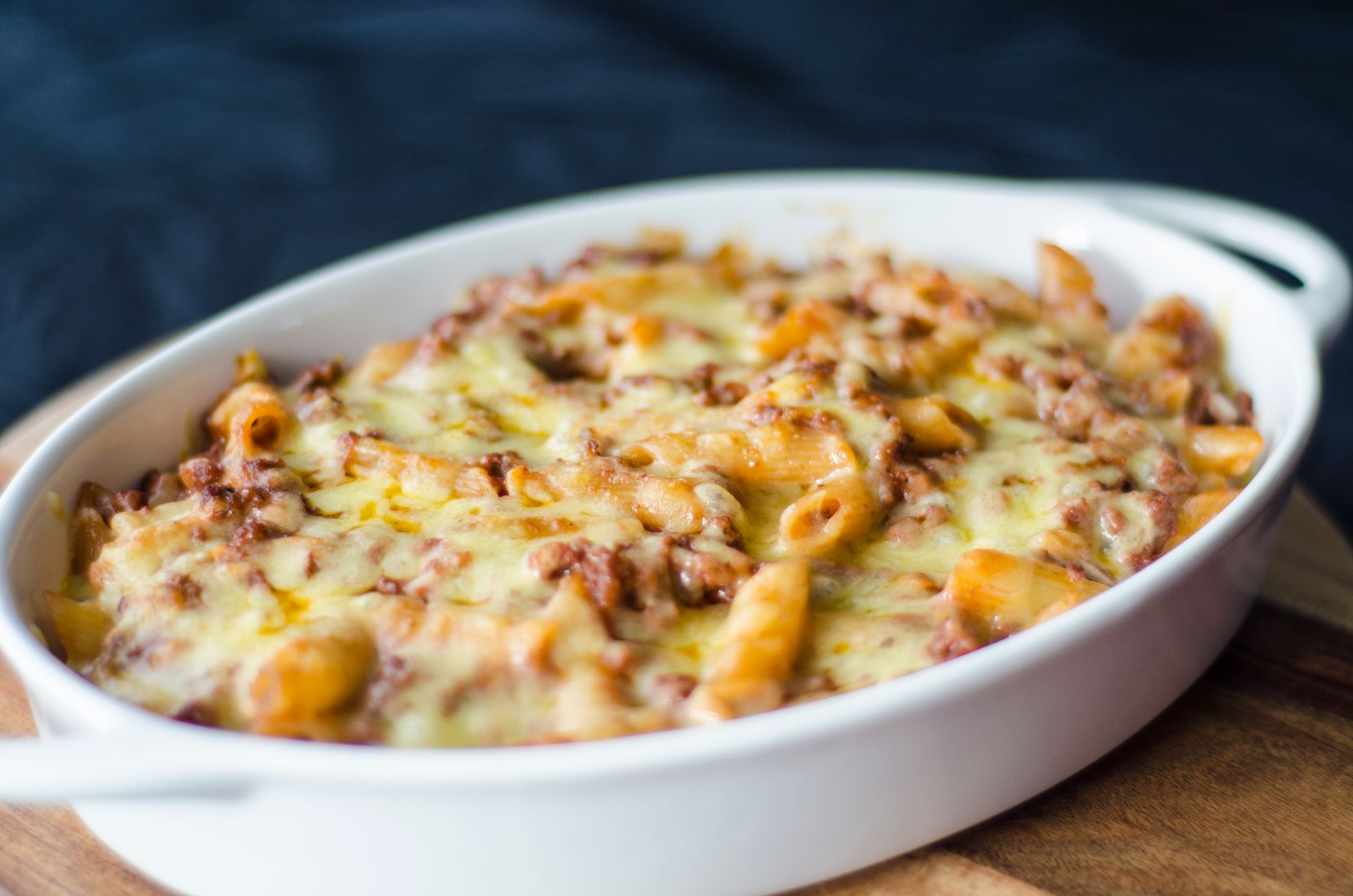
Ziti pasta is a beloved staple in Italian cuisine, known for its versatile shape and ability to hold sauces beautifully. This tube-shaped pasta can be found in a variety of dishes, from classic baked ziti to creamy casseroles, making it a favorite among home cooks and chefs alike.
Many people appreciate ziti not only for its flavor but also for its unique texture that pairs well with a variety of ingredients. In this article, we will explore the details surrounding ziti pasta, including its ingredients, flavor profile, and how to serve it effectively in your meals.
What Is Ziti Pasta?
Ziti is a type of pasta that originates from Southern Italy, specifically from the region of Campania. It consists of tubular pasta that is slightly curved and usually cut diagonally at one end. Ziti is often confused with other pasta types, such as penne or rigatoni, but it has its own distinct characteristics that make it unique.
This pasta is typically made from durum wheat semolina, which gives it a firm texture and allows it to hold up well when cooked in various dishes. It can be bought in both smooth (non-ridged) and ridged varieties. The ridged version, known as “ziti rigate,” is particularly effective for trapping sauces, while smooth ziti is commonly used in baked dishes.
Ingredients Used in Ziti Pasta
The primary ingredient in ziti pasta is durum wheat semolina. This hard wheat is selected for its high protein content, making ziti a hearty pasta option. When cooked, ziti should have a firm, al dente texture that complements many flavorful sauces. Here’s a breakdown of the key ingredients:
- Durum Wheat Semolina: The main ingredient that gives ziti its texture and flavor.
- Water: Used to hydrate the semolina during the pasta-making process.
- Salt: Often added during cooking to enhance the flavor of the pasta.
Flavor Profile of Ziti Pasta
Ziti pasta has a mild, subtly nutty flavor that makes it a versatile addition to various dishes. Its flavor perfectly complements a wide range of sauces, from rich and hearty meat sauces to lighter tomato-based variations.
The texture of ziti also plays a role in how it interacts with sauce. The tubular shape acts as a vessel for savory ingredients, allowing for a fulfilling culinary experience with each bite. The ridges on ziti rigate enhance its ability to cling to sauces, intensifying the overall flavor of the dish.
How to Serve Ziti Pasta
One of the wonderful aspects of ziti pasta is its versatility. It can be served in a multitude of ways, including but not limited to baked dishes, casseroles, and pasta salads. Here are some popular methods of serving ziti:
Baked Ziti
Baked ziti is perhaps the most famous dish featuring this pasta. The dish typically includes ziti mixed with marinara sauce, ricotta cheese, mozzarella, and Parmesan, all baked together until bubbly and golden brown. It’s an excellent choice for family gatherings and potlucks, as it can be prepared ahead of time and easily reheated.
Pasta Salads
Ziti can also be an excellent base for cold pasta salads. Mixing cooked ziti with vegetables, olives, and a vinaigrette creates a refreshing side dish ideal for picnics and summer barbecues. The tube shape allows the pasta to hold onto dressing and flavors beautifully.
Traditional Sauces
When served with sauces, ziti pairs well with both marinara and Alfredo sauce. For a hearty meal, consider serving ziti with a meat sauce made from ground beef or Italian sausage, complemented by herbs such as basil and oregano to enhance the flavors.
Common Variations and Substitutions
While ziti is a delicious pasta option on its own, there are several variations and substitutes that can be considered depending on dietary preferences or availability:
Whole Wheat Ziti
For a healthier twist, whole wheat ziti can be used in place of traditional ziti. It retains a similar texture but offers a higher fiber content, making it suitable for those seeking a more nutritious option.
Gluten-Free Ziti
Those with gluten sensitivities can opt for gluten-free ziti, which is often made from rice or corn flour. The texture may differ slightly from traditional ziti, but it can still hold sauces well.
Other Pasta Types
If ziti is unavailable, several other pasta shapes can serve as substitutes. Penne is a common replacement due to its similar tubular shape. Rigatoni can also be used, though it is wider and has a more pronounced ridged surface.
Cooking Ziti Pasta: Tips and Techniques
Cooking ziti pasta is straightforward, but following specific techniques can help ensure optimal results. Here are several critical steps to remember:
- Boil Water: Use a large pot filled with water, ensuring there’s enough space for the pasta to move freely while cooking. Bring the water to a rapid boil.
- Add Salt: Once boiling, add a generous amount of salt to the water (around 1 tablespoon per 4 quarts of water). This enhances the flavor of the ziti.
- Add Ziti: Carefully drop in the ziti and stir it gently to prevent sticking.
- Cook Until Al Dente: Follow the package instructions for cooking time, typically around 9 to 12 minutes. Test the pasta at the lower end of the time range for an al dente texture.
- Drain and Rinse: Once cooked, drain the ziti in a colander, rushing it with cold water if using for a pasta salad to stop the cooking process.
Common Mistakes While Cooking Ziti Pasta
While cooking ziti pasta may seem easy, several mistakes can occur. Here are some common pitfalls to avoid:
- Not Salting Water: This can lead to bland pasta. Always salt the boiling water generously.
- Overcooking: Ziti should be cooked to al dente to avoid mushiness, especially if it will be baked later.
- Not Stirring: Failing to stir the pasta in the early stages can result in sticking.
Storing and Reheating Ziti Pasta
Leftover ziti can be stored in the refrigerator in an airtight container for up to 3-5 days. When reheating, there are several methods to consider:
- Microwave: Place the ziti in a microwave-safe dish and cover it loosely with a lid. Heat in 1-minute intervals, stirring in between until warmed through.
- Oven: For baked ziti, preheat the oven to 350°F (175°C). Cover the dish with foil to retain moisture and reheat for 20-30 minutes or until heated through.
- Stovetop: Add a small amount of water or sauce to a skillet and heat over medium heat, stirring occasionally until warmed through.
Conclusion
Understanding ziti pasta and its culinary versatility opens up a range of delicious meal possibilities. Its unique shape, excellent flavor, and adaptability make it a go-to choice for many home cooks. Try incorporating ziti into your next meal plan, whether it be in hearty baked dishes or refreshing pasta salads.
For further inspiration, explore other delightful recipes like Manicotti with Meat and the delightful Orecchiette Pasta Recipe to expand your pasta repertoire!