
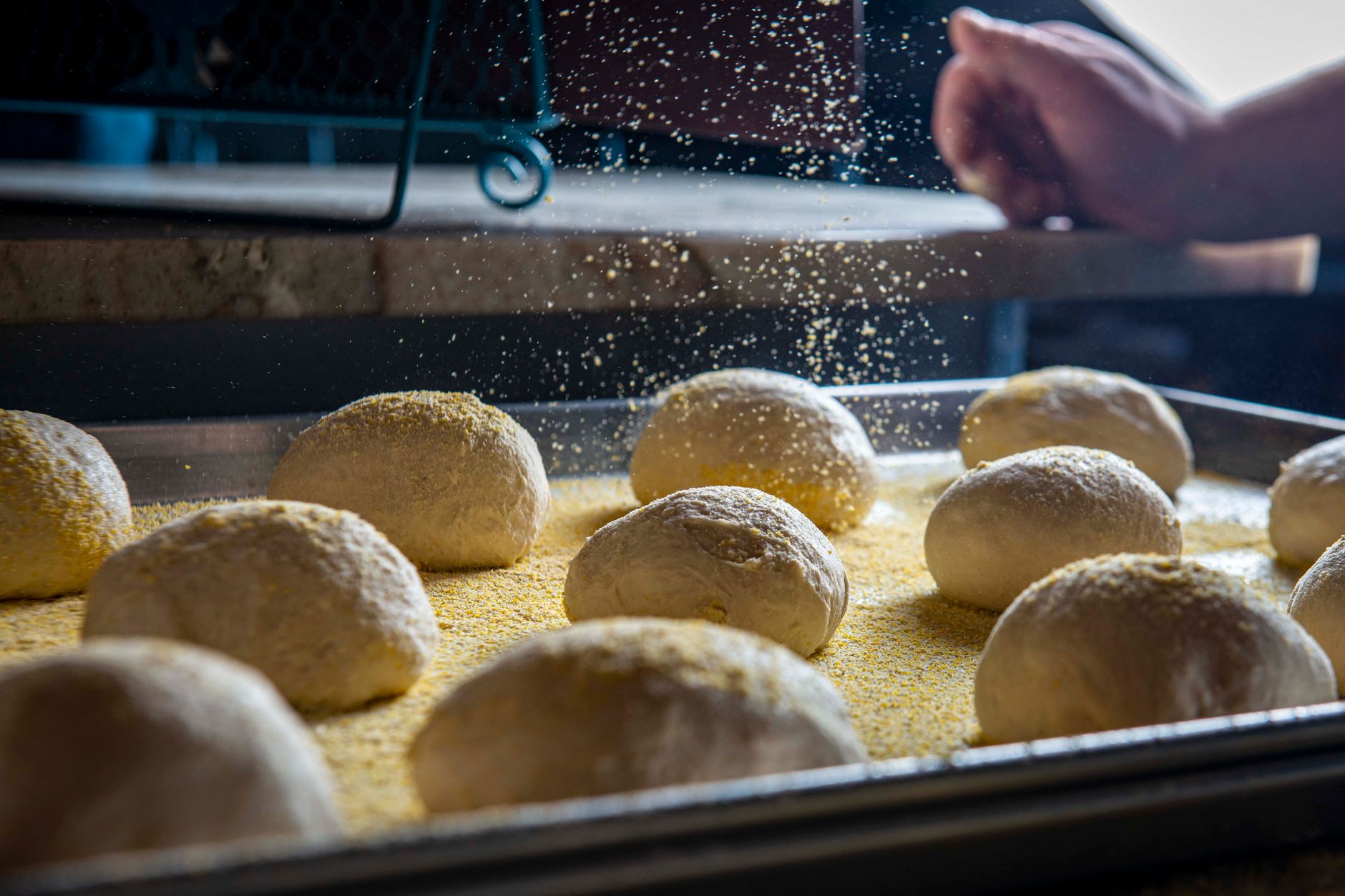
Yeast is a tiny microorganism that plays an essential role in a wide variety of culinary applications. Primarily known for its ability to ferment, yeast significantly impacts the flavors and textures of both baked goods and beverages. Understanding the various uses of yeast can enhance your cooking and baking, allowing for creativity and experimentation in the kitchen.
From leavening bread and brewing beer to making wine and even creating delicious syrups, the applications of yeast have been cultivated over thousands of years. This article will explore the different uses of yeast, provide practical cooking ideas, and share storage tips to help you make the most of this versatile ingredient.
What Is Yeast Used For?
Yeast is used primarily for fermentation, a process that transforms sugars into alcohol and carbon dioxide gas. In baking, yeast acts as a leavening agent, causing dough to rise and giving baked goods their light, airy texture. In beverages, yeast is crucial for the production of wines and beers, adding unique flavors and carbonation.
Types of Yeast and Their Culinary Uses
Understanding the different types of yeast can help you choose the right one for your culinary projects. The most common types are:
- Baker’s Yeast: This is the most widely used type of yeast in baking. It is available in active dry, instant, and fresh forms. Baker’s yeast ferments sugars efficiently, producing carbon dioxide and alcohol, which makes dough rise.
- Brewer’s Yeast: Primarily used in brewing beer, brewer’s yeast also has a strong flavor profile and nutritional benefits. It is less effective for baking but can ferment sugar in beverages.
- Nutritional Yeast: This inactive form of yeast is often used in vegan cooking for its cheesy flavor and nutritional value, containing vitamins, particularly B12, protein, and minerals.
- Wild Yeast: Found in the environment, wild yeast is used in sourdough bread and traditional fermentation processes. It can be unpredictable but creates unique flavors.
Yeast in Baking: A Comprehensive Guide
Baking with yeast involves specific techniques to ensure proper fermentation and leavening. Here’s how yeast works when baking bread:
- Activation: If using active dry yeast, dissolve it in warm water (between 100°F and 110°F) with a pinch of sugar to activate it. Instant yeast can be mixed directly with dry ingredients.
- Mixing: Combine the activated yeast (if applicable) with flour, water, salt, and any additional ingredients. Use a stand mixer or knead by hand until the dough is smooth and elastic.
- First Rise: Allow the dough to rise in a warm place for about 1 to 2 hours, or until it has doubled in size. Cover it with a damp cloth to maintain moisture.
- Shaping: Once risen, punch down the dough to release air, then shape it into loaves or rolls.
- Second Rise: Let the shaped dough rise again for another 30 minutes to an hour before baking.
- Baking: Preheat the oven to the required temperature, usually between 350°F to 450°F. Bake until golden brown and hollow-sounding when tapped on the bottom.
Common Mistakes When Baking with Yeast
Achieving success with yeast can be tricky. Here are some common mistakes to avoid:
- Using water that is too hot: This can kill the yeast. Always ensure the water is within the recommended temperature range.
- Not allowing enough time for rising: Be patient! Rushing the proofing process can result in dense bread.
- Neglecting the dough: Always check for signs of over-proofing. If dough rises too much, it can collapse.
Yeast in Beverages
Yeast is not just essential for baking; it’s also crucial in creating several beverages. Here are some popular uses:
- Beer: Brewer’s yeast ferments malt sugars, producing alcohol and carbonation. Different strains provide unique flavors depending on whether you are making ales or lagers.
- Wine: Yeast converts grape sugars into alcohol, impacting the flavor profile. Different yeast strains can enhance specific aromas and flavors.
- Sourdough Starter: This captures wild yeast from the environment, which is essential for making traditional sourdough bread.
Simple Sourdough Starter Recipe
Creating your sourdough starter is straightforward and only requires flour, water, and time. Below are the steps.
Ingredients:
- 1 cup all-purpose or whole wheat flour
- 1/2 cup water (room temperature)
Method:
- In a clean glass or plastic container, combine the flour and water. Stir until smooth.
- Cover loosely with a cloth or a lid to allow air circulation.
- Let it sit at room temperature for 24 hours.
- Feed the starter daily by removing half of it and adding 1/2 cup of flour and 1/4 cup of water. After about 5-7 days, it should bubble and rise.
Tips for Working with Yeast in Beverages
When fermenting beverages, consider these essential tips:
- Sanitation is key to prevent unwanted bacteria from spoiling your brew or wine.
- Manage temperature carefully, as different yeast strains thrive at different temperatures.
- Patience is paramount; let fermentation take its natural course to achieve desired flavors.
Storage of Yeast
Proper storage of yeast is critical to maintaining its effectiveness. Here are general guidelines:
- Active Dry Yeast: Store in a cool, dry place. Once opened, keep it in the refrigerator for longer shelf life, ideally up to 4 months.
- Instant Yeast: Similar to active dry yeast, instant yeast can be stored in the pantry or refrigerator but ideally in a sealed container to maintain potency.
- Fresh Yeast: This type requires refrigeration and is best used within two weeks. It can be frozen for longer storage but should be thawed slowly in the refrigerator.
- Nutritional Yeast: Store in a cool, dark place, preferably in an airtight container, to maintain freshness for several months.
Recipes Featuring Yeast
Incorporating yeast into your cooking can yield delicious results. Here are two standout recipes featuring yeast:
Classic White Bread Recipe
This simple and satisfying recipe yields a loaf of soft, fluffy white bread.
Yield:
1 loaf
Preparation Time:
15 minutes
Cooking Time:
30-35 minutes
Total Time:
1 hour 45 minutes
Ingredients:
- 4 cups all-purpose flour
- 1 packet (2 1/4 teaspoons) active dry yeast
- 1 1/4 cups warm water (100°F to 110°F)
- 2 tablespoons sugar
- 2 teaspoons salt
- 2 tablespoons vegetable oil
Method:
- In a bowl, dissolve sugar in warm water and sprinkle yeast over it. Let it stand for 5-10 minutes until frothy.
- In a large mixing bowl, combine flour and salt. Add the yeast mixture and vegetable oil.
- Knead the dough on a floured surface for about 8-10 minutes until smooth and elastic.
- Place in a greased bowl, cover, and let rise in a warm place until doubled (about 1 hour).
- Punch down the dough and shape it into a loaf. Place it in a greased bread pan.
- Cover and let rise again for about 30-45 minutes.
- Preheat oven to 350°F. Bake the loaf for 30-35 minutes or until golden brown and sounds hollow when tapped.
- Let cool before slicing.
Easy Homemade Pizza Dough
This pizza dough recipe is perfect for family pizza nights, allowing for personalization and creativity.
Yield:
2 pizzas
Preparation Time:
10 minutes
Cooking Time:
15 minutes
Total Time:
1 hour 25 minutes
Ingredients:
- 2 1/4 teaspoons instant yeast
- 3 1/2 cups all-purpose flour
- 1 1/2 teaspoons salt
- 1 tablespoon sugar
- 1 tablespoon olive oil
- 1 1/4 cups warm water (110°F)
Method:
- In a mixing bowl, combine warm water and sugar, then add yeast and let it sit for about 5 minutes.
- Add olive oil, flour, and salt into the yeast mixture. Mix until a dough forms.
- Knead the dough on a floured surface for about 6-8 minutes until smooth.
- Place the dough in a greased bowl, cover, and let rise in a warm area for about 1 hour or until doubled in size.
- Preheat your oven to 475°F. Once the dough has risen, punch it down, divide it, and roll out to your desired thickness.
- Add toppings and bake for 12-15 minutes until the crust is golden and crispy.
Getting Creative with Yeast
Besides bread and drinks, yeast can add depth to many other culinary creations. Here are some ideas for using yeast creatively:
- Fermented Foods: Explore fermentation by creating your own pickles, sauerkraut, or kimchi with a wild yeast starter.
- Sweet Treats: Try making cinnamon rolls or brioche using sweet yeast doughs, both of which offer a delicious twist on traditional recipes.
- Global Cuisine: Look into traditional recipes from different cultures, such as naan from India or challah from Jewish tradition. Each highlights the unique qualities of yeast.
Conclusion
Yeast is a powerful ingredient that can dramatically transform your culinary creations. Whether you’re baking bread, brewing beer, or experimenting with fermentation, yeast opens up a world of possibilities. With proper storage, knowledge of its uses, and a willingness to experiment, you can fully appreciate this remarkable ingredient.
Explore related recipes, cooking tips, or food guides at King Arthur Sourdough Recipe and Sourdough Baguette Recipe.