
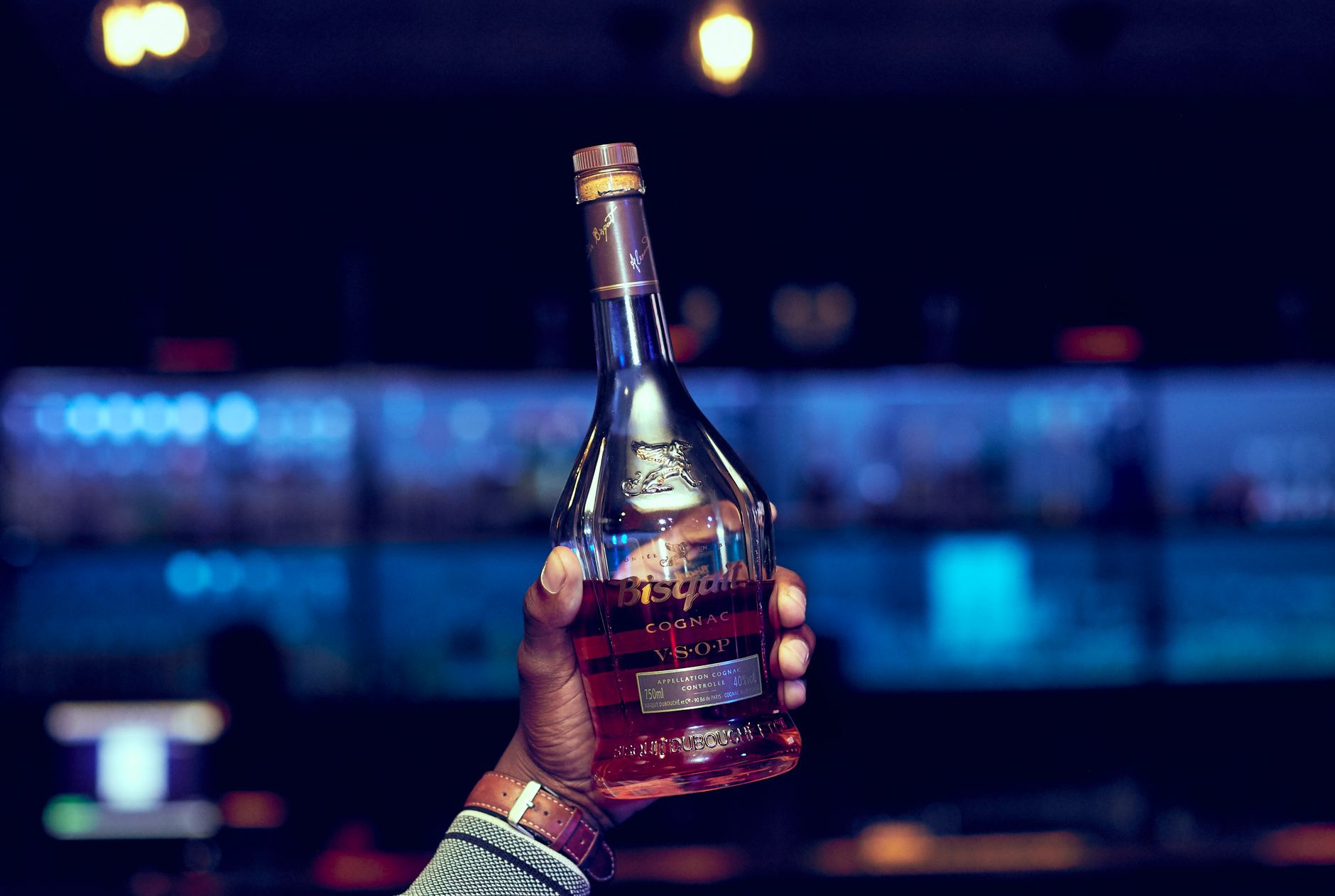
Vsop, an acronym for “Very Superior Old Pale,” is a designation used for aged brandies, particularly Cognac and Armagnac. It is known for its refined taste and complexity, making it a popular choice among spirits enthusiasts. In this article, we will explore the ingredients, flavor profile, and how to best serve Vsop, enhancing your understanding and appreciation of this luxurious drink.
As we uncover the layers of this signature spirit, you’ll learn why Vsop is a staple in many bars and homes. Whether you’re a novice or a seasoned connoisseur, the information provided here will ensure that you enjoy every glass of this distinguished drink.
What Is Vsop?
Vsop is a classification for aged brandies, indicating that the spirit has been matured in oak barrels for a minimum of four years. The term is most commonly associated with Cognac, a type of brandy produced in the Cognac region of France, but it can also refer to Armagnac and other types of brandy. The aging process is crucial, as it allows the spirit to develop its rich flavors and aroma.
Ingredients of Vsop
The primary ingredient in Vsop is grapes, specifically those grown in the Cognac or Armagnac regions of France. The grapes used for Cognac must meet strict criteria set by the Bureau National Interprofessionnel du Cognac (BNIC). Here are the main components involved in creating Vsop:
- Grapes: Primarily the Ugni Blanc, Folle Blanche, and Colombard varieties, which possess high acidity and low sugar content.
- Yeast: Natural yeasts are often used during fermentation to convert sugar into alcohol.
- Water: The quality of water used in dilution before and after distillation plays a vital role in the final taste.
How Vsop Is Made
The process of making Vsop involves several key steps, each contributing to the character of the final spirit. Here’s an overview:
- Harvesting: Grapes are picked at their peak ripeness, ensuring the best flavor and balance between acidity and sweetness.
- Fermentation: The grapes are crushed, and the juice is fermented using natural yeasts for several weeks, transforming the sugar into alcohol.
- Distillation: The fermented wine undergoes double distillation in copper pot stills, concentrating its flavors and alcohol content.
- Aging: The resultant eau-de-vie is aged in oak barrels for at least four years. During this time, the spirit interacts with the wood, extracting flavors and color.
- Blending: Master blenders may combine different aged spirits to achieve a balanced profile, ensuring consistency across batches.
- Bottling: The final product is filtered and often diluted to the desired bottling strength, typically around 40% ABV (alcohol by volume).
Flavor Profile of Vsop
The flavor of Vsop is intricate and satisfying, often displaying a harmonious balance of various tasting notes. As it ages, it develops a more complex profile:
- Fruity: Expect notes of dried fruits like apricots, figs, and prunes, alongside fresh apple and pear essences.
- Spicy: Subtle spices such as cinnamon, nutmeg, and vanilla emerge from the oak aging process.
- Woody: A rich, warm woodiness from the oak barrels lends depth to the spirit.
- Floral: Delicate floral hints can enhance the overall aroma, creating layers of complexity.
- Savoury: Some Vsop varieties possess a slight savory complexity, reminiscent of herbs and spices.
How to Serve Vsop
Vsop is versatile in how it can be served, whether sipped neat, mixed in cocktails, or paired with food. Here are several serving suggestions:
Sipping Neat
For those who appreciate the unadulterated flavors of Vsop, serving it neat is ideal. Here’s how:
- Use a tulip-shaped glass or snifter to enhance the aroma.
- Pour 1.5 ounces into the glass at room temperature.
- Allow it to breathe for a few minutes before sipping to appreciate the full flavor profile.
On the Rocks
For a refreshing option, Vsop can be served on the rocks:
- Fill a rocks glass with large ice cubes to chill the spirit without diluting it too quickly.
- Pour 1.5 ounces of Vsop over the ice.
- Optionally, garnish with a twist of lemon peel to add a zesty aroma.
Cocktails
Vsop can elevate a variety of cocktails. Here are two classic options:
Vsop Sour
- 1.5 ounces Vsop
- 1 ounce freshly squeezed lemon juice
- 0.5 ounces simple syrup
- Shake with ice and strain into a chilled glass. Garnish with a cherry and orange slice.
Vsop Old Fashioned
- 1.5 ounces Vsop
- 1 sugar cube or 0.5 ounces simple syrup
- 2 dashes Angostura bitters
- Muddle the sugar and bitters in a rocks glass, add ice, then pour Vsop over the ice. Garnish with an orange twist.
Food Pairings
When it comes to food, Vsop is exceptionally versatile. It pairs well with:
- Cheese: Hard cheeses like aged cheddar or gouda.
- Desserts: Dark chocolate, caramel dishes, or fruit tarts.
- Meats: Richly flavored dishes, such as duck or game meats.
- Nuts: Salted almonds or walnuts complement the sweetness of the spirit.
Common Mistakes When Serving vsop
There are several common pitfalls to avoid when it comes to serving Vsop:
- Serving too cold: Chilling can mute the flavors; serve at room temperature or slightly cool.
- Using small glasses: Opt for wider glasses that allow the aromas to develop.
- Over-diluting: Avoid using too much ice or mixing with too many strong flavors, which may mask the nuances of the brandy.
- Neglecting food pairings: Make sure to consider food pairings that enhance the enjoyment of Vsop.
Storing Vsop
Proper storage of Vsop is crucial to maintain its quality. Here are some best practices:
- Keep it upright: Unlike wine, bottles of brandy should be stored upright to prevent cork deterioration.
- Avoid direct sunlight: Store in a dark place to prevent light exposure, which can alter flavors.
- Control temperature: Aim for a consistent temperature between 60°F and 70°F (15°C – 21°C).
Types of Vsop
While Vsop refers to a specific aging category, it can vary significantly among producers. Here are a few types to consider:
- Cognac Vsop: Typically characterized by a complex profile with rich fruit and spice notes.
- Armagnac Vsop: Often more robust and earthy in flavor compared to its Cognac counterpart.
- Blend Variants: Some producers offer unique blends of aged spirits that may not strictly meet the Vsop criteria but deliver an elevated experience.
Vsop Compared to Other Age Classifications
Vsop is one of the age categories within the world of Cognac and brandy. Its distinguishing factors include:
- VS (Very Special): Must be aged for at least two years in oak barrels.
- XO (Extra Old): Requires a minimum aging of 10 years, resulting in a richer and deeper flavor.
- Napoleon: A designation often used unofficially for spirits that are equivalent to XO level but may come from different producers.
Notable Brands of Vsop
Many renowned brands produce Vsop Cognac and Armagnac. Some notable names include:
- Rémy Martin: Known for its smooth and well-balanced flavors.
- Hennessy: One of the largest producers, offering consistent quality and variety.
- Martell: Recognized for its fruity notes and subtle oakiness.
- Moiselle: A lesser-known yet high-quality producer specializing in unique blends.
Conclusion
Vsop is a refined and complex spirit that continues to gain appreciation among drinkers worldwide. Whether enjoyed neat or mixed into cocktails, its rich flavors offer a delightful tasting experience. By understanding its ingredients, flavor profile, and best serving methods, you’re equipped to make the most of this sophisticated brandy.
For more insights, explore what Chihuahua cheese is, or learn about Pilsner styles to complement your next drink selection.