
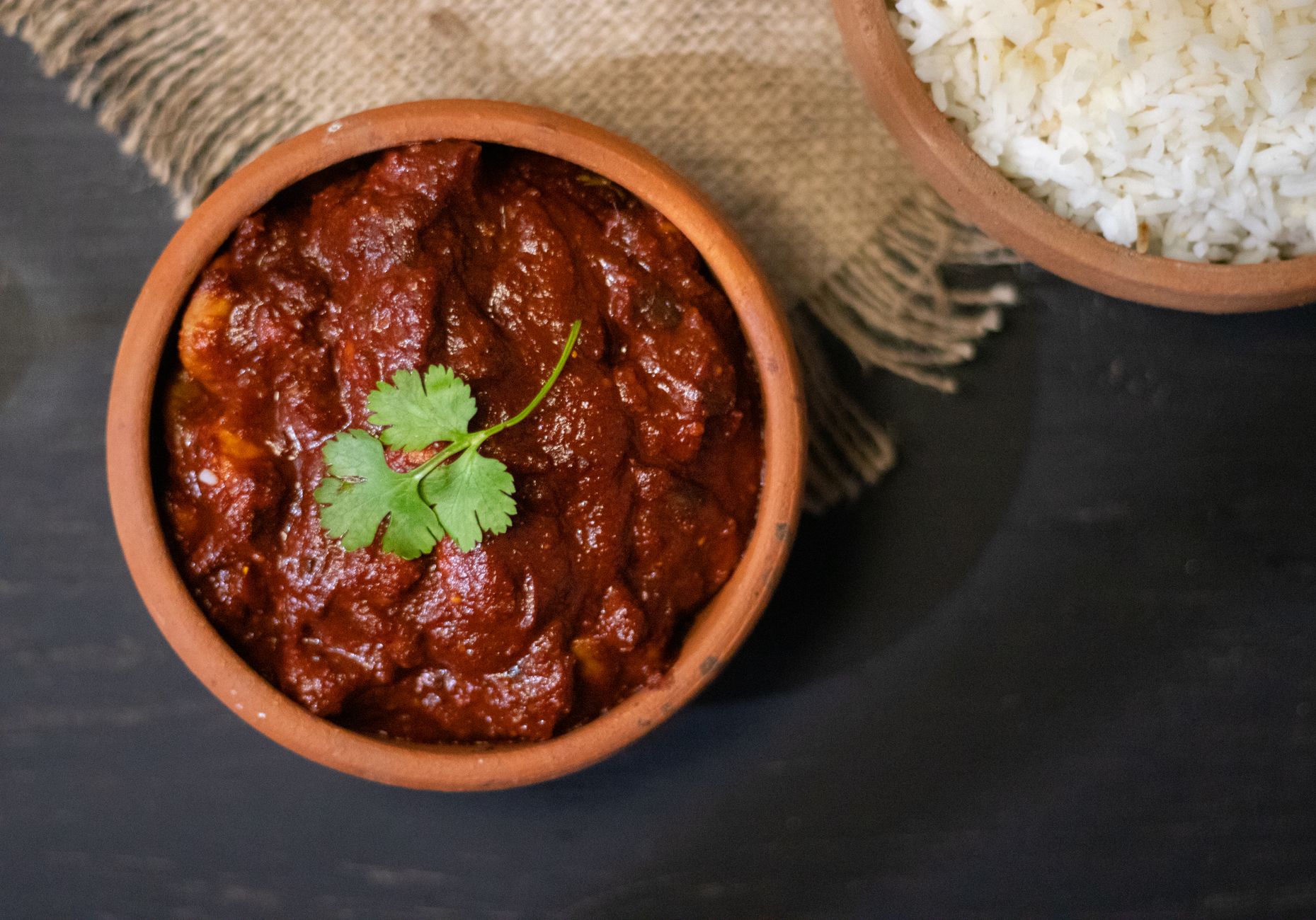
Vindaloo is a spicy, flavorful dish known for its rich origins in Indian cuisine, particularly Goan fare. Originally derived from a Portuguese dish, this meal has evolved into a staple with a unique blend of spices and ingredients that make it distinct.
It traditionally features meat, marinated in vinegar and spices, but it can also be made vegetarian. The heat level, aroma, and depth of flavor of vindaloo make it a beloved choice in Indian kitchens and restaurants alike.
What Is Vindaloo?
Vindaloo is a spicy Indian curry famous for its bold flavors and complex spice blend. It originally derives from a Portuguese dish called “carne de vinho e alhos,” which translates to “meat marinated in wine and garlic.” When Portuguese explorers landed in India, particularly Goa, they adapted this dish using local ingredients, resulting in what we now know as vindaloo.
Authentic vindaloo often includes pork or chicken, but variations exist for using lamb, beef, and even vegetables. The dish is characterized by its heat from spices like red chili peppers, its tanginess from vinegar, and the sweetness from spices like cinnamon and cloves.
Key Ingredients in Vindaloo
The punchy flavor profile of vindaloo comes from a harmonious blend of ingredients. Understanding these components ensures a well-balanced dish. Here are the primary ingredients used in a traditional vindaloo:
- Meat: Common proteins include pork, chicken, or lamb. Vegetarian options can use tofu or assorted vegetables.
- Vinegar: Typically white vinegar or malt vinegar is used to marinate the meat, imparting the dish’s distinctive tanginess.
- Spices: A mix of spices is crucial, including
- Coriander seeds
- Sealed cumin seeds
- Black pepper
- Cinnamon
- Cloves
- Mustard seeds
- Turmeric powder
- Red chili powder or Kashmiri red chili powder for color and heat
- Garlic and Ginger: Freshly minced garlic and ginger add warmth and depth to the dish.
- Onions: Finely chopped onions are sautéed until golden to enhance the dish’s sweetness.
- Tomatoes: Fresh or canned tomatoes bring additional moisture and balance the spices.
- Sugar or Jaggery: A touch of sweetness helps round out the heat.
- Salt: Essential for seasoning.
Flavor Profile of Vindaloo
Vindaloo is celebrated for its bold and dynamic flavor profile. The dish combines a variety of tastes, including:
- Spicy: A pronounced heat level comes from red chili peppers, often adjusted according to taste.
- Tangy: The vinegar provides a sharp tang that cuts through the richness of the meat.
- Sweet: The addition of sugar or jaggery balances the heat and acidity.
- Aromatic: The use of warm spices like cinnamon and cloves contributes to a fragrant quality.
This complexity is what makes vindaloo both exciting and delicious, appealing to adventurous eaters who appreciate rich, spicy cuisine.
How to Serve Vindaloo
Serving vindaloo appropriately enhances its flavors and traditional presentation. Here are some suggestions for enjoying this dish:
- Rice: Traditionally served with steamed basmati rice or jeera rice (cumin-flavored rice) to soak up the spicy gravy.
- Flatbreads: Accompanying it with naan, roti, or paratha adds a nice texture and helps balance the spice.
- Vegetables: Some serve vindaloo alongside roasted or pickled vegetables, allowing contrasts in flavor.
- Chutneys: Fresh accompaniments like mint chutney or mango chutney can offer a cooling effect to the spiciness.
- Garnishes: Fresh cilantro or mint leaves can be sprinkled on top for color and freshness.
How to Prepare Vindaloo: A Step-by-Step Guide
Creating a delicious vindaloo at home is straightforward if you follow this guide. Here’s a practical step-by-step method to prepare a traditional pork vindaloo:
Ingredients
- 2 pounds pork shoulder, cut into bite-sized pieces
- 1 cup white vinegar
- 4 tablespoons oil (preferably coconut oil)
- 2 large onions, finely chopped
- 10 cloves garlic, minced
- 2 inches fresh ginger, minced
- 2-3 tomatoes, chopped
- 1 tablespoon mustard seeds
- 1-2 teaspoons red chili powder (or to taste)
- 1 teaspoon turmeric powder
- 1 teaspoon coriander seeds
- 1 teaspoon cumin seeds
- 5-6 whole black peppercorns
- 2-3 whole cloves
- 1 stick of cinnamon
- 1-2 tablespoons sugar or jaggery
- Salt to taste
Essential Equipment
- Heavy-bottomed pot or Dutch oven
- Blender or spice grinder
- Wooden spoon or spatula
- Measuring cups and spoons
Method
- Marinate the Pork: In a bowl, combine the pork pieces with white vinegar, a tablespoon of salt, and the minced garlic and ginger. Marinate for at least 2 hours, preferably overnight for deeper flavors.
- Prepare the Spice Paste: In a small pan, dry roast coriander seeds, cumin seeds, black peppercorns, cloves, and cinnamon for about 2-3 minutes until fragrant. Let cool and blend with red chili powder, turmeric powder, and a little water to form a smooth paste. Set aside.
- Cook the Onions: In a heavy-bottomed pot, heat the oil over medium heat. Add the chopped onions and sauté until golden brown, about 10-15 minutes.
- Add the Spice Paste: Stir in the spice paste and cook for about 5 minutes, allowing the spices to bloom.
- Add the Marinated Pork: Add the marinated pork (discard the marinade) to the pot. Stir well to coat the meat with the spices. Cook for another 5-10 minutes until the pork is slightly browned.
- Add Tomatoes: Stir in the chopped tomatoes and cover the pot, allowing the mixture to cook down for about 20 minutes on low heat, stirring occasionally.
- Add Water: Pour in water to adjust the consistency of the gravy to your liking. Simmer the vindaloo on low heat for 1-2 hours until the pork is tender and the flavors meld. Stir occasionally and check the salt and spice levels.
- Finish with Sweetener: Finally, stir in sugar or jaggery, allowing it to melt and incorporate into the dish. Adjust seasoning as needed.
- Serve: Serve hot with rice or bread, garnished with fresh herbs if desired.
Practical Tips for Making Vindaloo
While making vindaloo, keep these additional tips in mind for an optimal cooking experience:
- Balance the Heat: Adjust the amount of red chili powder to cater to your heat preferences. Remember, you can always add more but can’t take it away.
- Use Fresh Spices: Ensure your spices are fresh to obtain the best flavor. Stale spices will yield a less vibrant dish.
- Slow Cooking: The longer you cook the vindaloo, the more the flavors develop. If time allows, let it simmer longer for a deeper taste.
- Batch Cooking: Vindaloo often tastes even better the next day as the flavors continue to meld. Consider making a larger batch for leftovers.
- Make Ahead: You can prepare the vindaloo a day before serving. Just reheat gently to allow the flavors to redistribute.
Common Mistakes to Avoid
When preparing vindaloo, there are a few common pitfalls to watch out for:
- Overcooking the Meat: Keep an eye on the cooking time; overcooking can make the meat tough, especially if using lean cuts.
- Imbalanced Flavors: Pay attention to balancing spicy, sweet, and tangy elements. Tasting periodically will help achieve this.
- Insufficient Marinating Time: Allow enough time for marinating the meat to ensure it absorbs the flavors of the spices.
- Neglecting to Toast Spices: Toasting whole spices enhances their flavor significantly—don’t skip this step.
Storage and Reheating Guidance
Storing and reheating vindaloo safely preserves its quality. Here are some guidelines:
- Refrigeration: Store leftovers in an airtight container in the refrigerator for up to 3 days.
- Freezing: Vindaloo can be frozen for up to 3 months. Thaw in the refrigerator overnight before reheating.
- Reheating: When reheating, warm gently in a pot on the stove or in the microwave, ensuring it reaches a safe temperature (165°F or 74°C).
- Avoid Re-cooking: Avoid reheating multiple times to minimize spoilage and maintain quality.
Vindaloo Variations
While traditional pork or chicken vindaloo is popular, there are numerous variations to try:
- Vegetarian Vindaloo: Substitute meat with extra-firm tofu, chickpeas, or a medley of veggies.
- Fish Vindaloo: Use firm fish like cod or halibut for a seafood twist.
- Delicacies from Different Regions: Explore regional variations such as Goan vindaloo versus the North Indian interpretations, each presenting unique spices and preparation methods.
Conclusion
Vindaloo is a vibrant, flavorful dish that represents a fusion of cultures and culinary techniques. Its ability to adapt to various ingredients allows it to fit many diets and personal tastes. With careful attention to ingredients and preparation, anyone can craft a delicious vindaloo.
Next time you’re looking to make a flavorful dinner, consider trying your hand at vindaloo. It’s an exciting and delicious way to elevate your cooking skills!
For more culinary inspiration, check out our other articles on regional Indian dishes, spice blends, or cooking techniques.