
The Zone Diet is a structured eating plan that focuses on achieving a balanced intake of macronutrients, specifically emphasizing the proper ratios of carbohydrates, proteins, and fats. Developed by Dr. Barry Sears in the 1990s, this diet aims to improve overall health and well-being while promoting optimal fat loss. In this article, we will explore the main principles of the Zone Diet, how to balance your meals effectively, and some practical meal ideas to help you get started.
Understanding the Zone Diet can be beneficial for those interested in maintaining a healthy lifestyle or managing weight. By following the guidelines laid out in this diet, individuals can learn how to create meals that keep them in the “zone”—a state of metabolic balance characterized by stable energy levels and improved physical and mental performance.
What Are the Principles of the Zone Diet?
The Zone Diet operates under the premise that the right balance of macronutrients is essential for good health. The key principles include:
- Macronutrient Ratios: A typical meal on the Zone Diet consists of 40% carbohydrates, 30% protein, and 30% fat. This balance is thought to promote satiety while providing sustained energy throughout the day.
- Portion Control: Understanding how to portion food according to the macro ratio is crucial. The Zone Diet encourages using a method called the “block system,” where foods are measured in blocks based on their macronutrient content.
- Low Glycemic Index Foods: The diet emphasizes the inclusion of low glycemic index carbohydrates, which are digested slowly and do not cause substantial spikes in blood sugar levels.
The Block System Explained
The block system is the foundation that allows followers of the Zone Diet to calculate their meal portions. Each block represents a specific number of grams of carbohydrates, proteins, and fats:
- 1 Block of Carbohydrates: 9 grams
- 1 Block of Protein: 7 grams
- 1 Block of Fat: 3 grams
To determine how many blocks you should eat per meal, you can use the following guidelines:
- For women, generally, 3 to 4 blocks per meal is advised.
- For men, approximately 4 to 5 blocks per meal is suggested.
- Active individuals or those looking to lose weight may require slightly different calculations, often increasing the number of blocks per meal or adjusting based on activity levels.
How to Calculate Your Zone Blocks
To tailor the Zone Diet to your individual needs, follow these steps to calculate your daily block count:
- Calculate Your Body Fat Percentage: The first step is to understand your body composition. This can be determined through various methods, including skinfold measurements, bioelectrical impedance, or simply referencing standard averages.
- Use the Formula: Subtract your body fat percentage from 100 to get your lean body mass. For example, if your body fat percentage is 25%, your lean body mass would be 75%.
- Determine Your Daily Blocks: Divide your lean body mass by 2.2 (to convert to kilograms), then multiply by 0.3 to find out your daily block requirement. For example, if your lean body mass is 68 kg, you would require approximately 9 blocks per day.
Meal Planning on the Zone Diet
Once you have calculated your daily block requirements, the next step is meal planning. Proper meal planning is essential for sticking to the Zone Diet effectively. Here are some strategies:
- Prepare in Advance: Preparing meals ahead of time helps in making it easier to stick to the diet, so set aside time each week to plan your meals.
- Keep a Food Journal: Tracking what you eat can help you monitor portion sizes and macronutrient ratios.
- Focus on Variety: Make sure to include a range of foods to meet your macronutrient needs without becoming bored.
Sample Meal Ideas for the Zone Diet
Here are some meal ideas that adhere to the Zone Diet principles. Adjust portions according to the blocks you calculated earlier:
Breakfast Ideas
- Vegetable Omelette: 2 eggs (2 blocks protein), sautéed spinach, tomatoes, and bell peppers (2 blocks carbohydrates), and a small amount of cheese (2 blocks fat).
- Berry Chia Pudding: 1/4 cup chia seeds (4 blocks carbohydrates), 1 cup almond milk, 1 tablespoon almond butter (3 blocks fat) topped with mixed berries (1 block carbohydrates).
- Greek Yogurt Parfait: 1 cup non-fat Greek yogurt (4 blocks protein), topped with mixed berries (1 block carbohydrates), and a sprinkle of nuts (2 blocks fat).
Lunch Ideas
- Quinoa Salad: 1/2 cup cooked quinoa (3 blocks carbohydrates), 3 ounces grilled chicken (3 blocks protein), diced cucumbers, tomatoes, and 1 tablespoon olive oil (1 block fat).
- Turkey Wrap: Slice turkey breast (3 blocks protein) wrapped in a whole-grain tortilla (2 blocks carbohydrates) with lettuce and avocado (2 blocks fat).
- Vegetable Stir-Fry: Mixed vegetables (2 blocks carbohydrates) stir-fried with tofu (3 blocks protein) and sesame oil (2 blocks fat).
Dinner Ideas
- Salmon with Asparagus: A 4-ounce piece of salmon (3 blocks protein), steamed asparagus (2 blocks carbohydrates), and 1 tablespoon butter (1 block fat).
- Stuffed Peppers: Bell peppers stuffed with ground turkey (3 blocks protein), brown rice (3 blocks carbohydrates), and topped with cheese (2 blocks fat).
- Beef and Broccoli: Lean beef (3 blocks protein), broccoli (2 blocks carbohydrates), and a side of brown rice (3 blocks carbohydrates) all sautéed in a high-heat oil.
Snack Ideas
- Apple with Almond Butter: A medium apple (1 block carbohydrates) with 1 tablespoon almond butter (2 blocks fat).
- Protein Shake: A shake made with protein powder (2 blocks protein) and almond milk (1 block carbohydrates).
- Vegetable Sticks: Carrot sticks or bell pepper slices (1 block carbohydrates) with hummus (2 blocks fat).
Common Mistakes on the Zone Diet
When starting the Zone Diet, individuals often encounter several pitfalls. Here are some common mistakes to avoid:
- Not Measuring Portions: Failing to accurately measure food can lead to an incorrect balance of macronutrients.
- Skipping Meals: Omitting meals can disrupt your body’s balance and lead to poor food choices later.
- Neglecting Fats: Many individuals avoid fats thinking they should restrict them; however, healthy fats are essential and must be included in the Zone Diet.
Tips for Success on the Zone Diet
To make the most of your experience with the Zone Diet, consider these helpful tips:
- Stay Hydrated: Drink plenty of water throughout the day to support overall health and metabolic processes.
- Listen to Your Body: Pay attention to hunger and satiety cues to better manage your portion sizes.
- Seek Support: Consider joining a community or finding a diet buddy for motivation and accountability.
Storage and Meal Prep Guidance
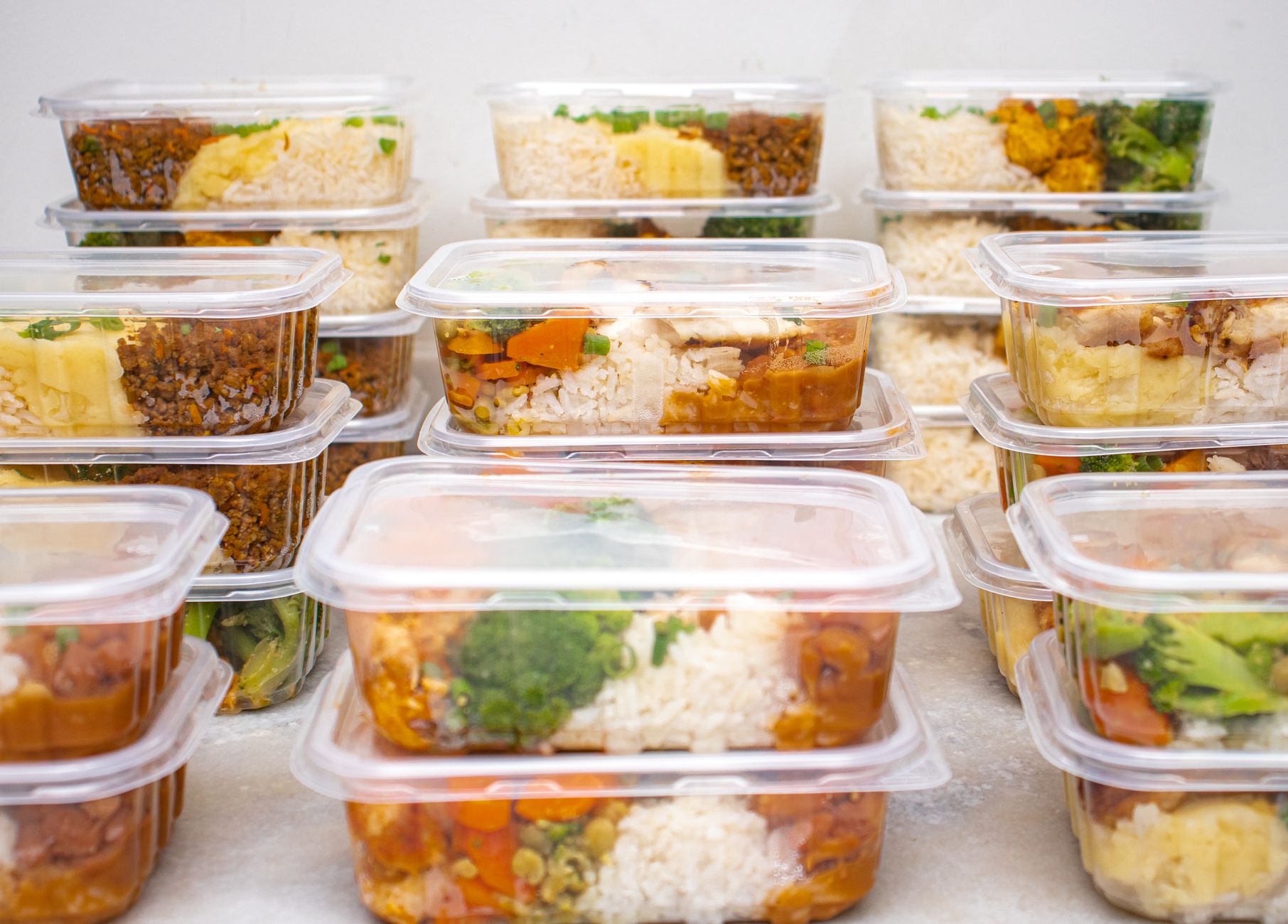
Effective meal prep can make adhering to the Zone Diet much easier. Here are some tips for storing and preparing meals:
- Batch Cooking: Prepare large quantities of proteins, grains, and vegetables at once so you can mix and match them throughout the week.
- Proper Storage: Use airtight containers to keep your food fresh and prevent spoilage. Try to label meals with their ingredients and macros for easier tracking.
- Reheating: When reheating, ensure that meats are brought to the recommended safe internal temperature to prevent foodborne illness.
Conclusion
The Zone Diet is a practical method for managing your diet and achieving nutritional balance through proper macro ratios, portion control, and meal variety. By following the guidelines and meal ideas offered in this guide, you can effectively incorporate the Zone Diet into your daily routine. Furthermore, always consult a healthcare professional before beginning any new diet plan, especially if you have underlying health concerns.
Explore more about the benefits of delicious ingredients like chia seeds or try a wonderful chia pudding recipe for a refreshing meal option!