
When exploring the culinary landscape of Bolivia, one quickly discovers that meat holds a significant place in traditional dishes. Among various types of meat consumed in the country, beef tops the list as the most common choice. This article delves into the prominence of beef in Bolivian cuisine, its preparation methods, popular dishes, and regional variations, providing a comprehensive guide for food enthusiasts.
Understanding what makes beef so central to Bolivian meals allows for a deeper appreciation of the country’s rich culinary traditions. From street food to high-end restaurants, beef can be found interwoven into various recipes and is often enjoyed by Bolivians on several occasions.
What Is The Most Common Meat In Bolivia?
The most common meat in Bolivia is beef, favored for its versatility and cultural significance. Whether grilled, stewed, or incorporated into traditional dishes, beef plays a vital role in the dietary habits of Bolivians, reflecting both the country’s agricultural practices and culinary preferences.
Nutritional Aspects of Beef in Bolivia
Beef is a valuable source of nutrition, providing protein, iron, zinc, and essential vitamins. In Bolivia, where the diet may include less protein due to economic factors, beef serves as a crucial component to ensure adequate nutrient intake. This helps in maintaining a healthy, balanced diet, particularly for those involved in strenuous agricultural work.
Beef in Bolivian Cuisine
Beef is used in numerous traditional dishes across Bolivia, reflecting the diverse culinary influences and methods of preparation. The following sections explore some of the most popular beef dishes and cooking techniques.
Popular Beef Dishes in Bolivia
- Anticuchos: Skewered and grilled beef heart marinated in spices and served with potatoes. This dish is a favorite street food, often enjoyed during festivals and popular gatherings.
- Pique Macho: A hearty dish that includes beef, sausages, boiled eggs, and a mix of spices served over a bed of fries. Known for its robust flavors, this dish is often ordered for sharing.
- Silpancho: A flattened beef fillet breaded and fried, served over rice, potatoes, and topped with a fried egg and salsa. This dish is popular in the city of Cochabamba.
- Locro: A traditional Andean stew that often includes beef accompanied by potatoes and vegetables. Each region may put its own twist on the basic recipe.
- Asado: A method of grilling beef, often enjoyed during family gatherings and parties. It symbolizes conviviality and community.
Regional Variations of Beef Dishes
Bolivia’s diverse geography and culture give rise to unique regional variations in beef preparation:
- Cochabamba: Known for its asados featuring various cuts of beef cooked over open flames, reflecting the area’s rich agricultural heritage.
- La Paz: Offers hearty soups like Sopa de Maní, which may utilize beef along with peanuts to create rich, complex layers of flavor.
- Santa Cruz: The region is known for unique dishes combining beef with tropical fruits, incorporating local flavors that reflect its warmer climate.
Common Cooking Techniques for Beef
There are several key cooking techniques commonly employed for preparing beef in Bolivia:
Grilling (Asado)
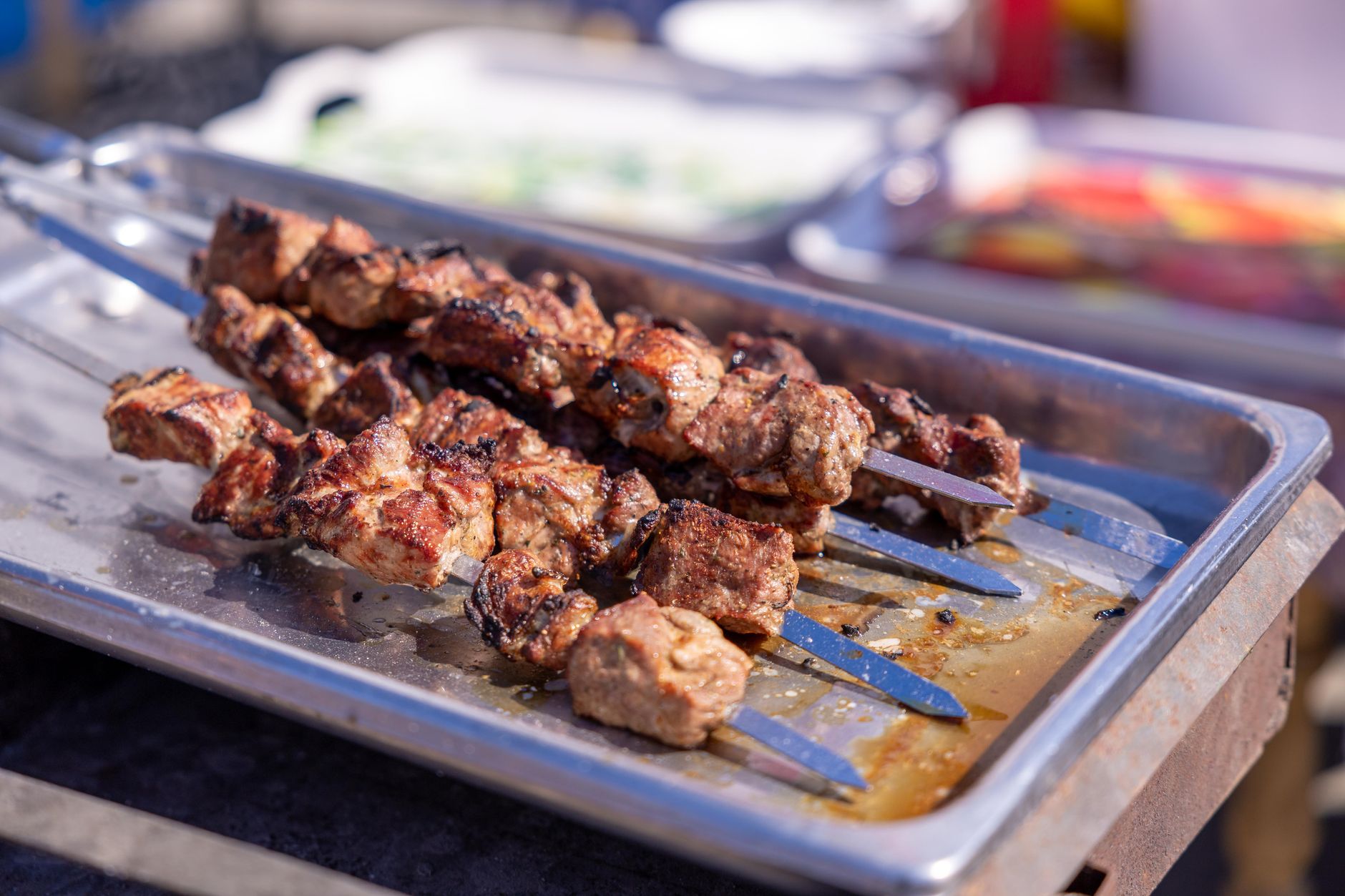
Grilling is one of the most favored methods in Bolivia, especially for gatherings. Styles vary from simple charcoal grilling to elaborate skewered preparations. The meat is often seasoned with salt, spices, or marinades before grilling. The results are juicy, charred flavors that create a communal atmosphere around the meal.
Stewing
Stewing is another popular technique, especially for tougher cuts of beef. Slow-cooking meat in broth allows it to become tender while absorbing the flavors of accompanying vegetables and spices. This method works excellently for stews like Locro and offers a hearty meal.
Frying
Frying is frequently used for dishes like Silpancho where the beef is breaded and pan-fried. This technique creates a delightful outer crust while maintaining the juiciness of the meat within.
Choosing the Right Cut of Beef
When cooking beef dishes in Bolivia, understanding the different cuts and their uses can greatly enhance the final dish. Some commonly utilized cuts include:
- Rib Eye: Tender and flavorful, perfect for grilling or frying.
- Flank Steak: Great for marinating and grilling, known for its rich beefy flavor.
- Brisket: Ideal for stewing due to its toughness, which breaks down beautifully during long cooking.
- Ground Beef: Utilized in a variety of dishes, including Pique Macho and in fillings for pastries.
Practical Cooking Tips for Beef Dishes
When preparing Bolivian beef dishes, consider the following practical tips to achieve the best results:
- Marinating: Try marinating tougher cuts for several hours or overnight to enhance tenderness and flavor.
- Temperature: Use a meat thermometer to ensure beef is cooked to the desired doneness, especially when grilling.
- Resting the Meat: Allow cooked beef to rest for a few minutes before slicing to retain its juices.
- Season Generously: Since beef has a robust flavor, do not hesitate to season generously with spices and herbs typical of Bolivian cuisine.
Food Storage Tips for Beef
Proper food storage is essential for maintaining quality and safety. Here are some crucial guidelines:
- Refrigeration: Store raw beef in the refrigerator at temperatures below 40°F (4°C) and consume it within 1-2 days.
- Freezing: Wrap beef tightly in plastic wrap or heavy-duty foil before freezing. It can last several months in the freezer.
- Defrosting: Always thaw beef in the refrigerator or using the microwave. Avoid leaving it out at room temperature, as this can promote bacterial growth.
Environmental Considerations of Beef Consumption
The beef industry, like many agricultural sectors, faces scrutiny regarding environmental impact, including greenhouse gas emissions and land use. Being mindful of where your beef comes from and considering sustainable sources can make a difference. Supporting local farms that practice sustainable grazing can contribute positively to the environment.
Conclusion
Beef is the most common meat in Bolivia, and its cultural significance is underscored by its versatility in countless traditional dishes. From street food favorites like anticuchos to celebratory asados, beef embodies the flavors and culinary practices of Bolivia. Understanding how to choose, prepare, and store beef will enhance your exploration of Bolivian cuisine and allow for authentic culinary experiences.
Explore more about Bolivian flavors or discover practical cooking tips for making amazing meals. Check out our guides for cooking techniques and meal planning strategies tailored to various culinary styles.