
The iconic M on M&Ms has sparked curiosity among many chocolate lovers. This simple yet recognizable letter not only serves as a branding element but also represents a combination of quality ingredients that shape the candy’s unique character. Understanding what the M is made of can provide insights into the candy’s overall composition and appeal.
This article dives deep into the components of the M, exploring the materials used, their significance, and interesting facts about M&Ms. Whether you’re planning to indulge in them or incorporate them into your recipes, knowing what the M is made of will enhance your appreciation for this beloved treat.
What Is the M on M&Ms Made Of?
The M on M&Ms is made from food-grade printing ink. The food coloring used can vary, but it is typically made from a combination of natural and synthetic colorants, depending on the product and its package. The main colors for the M include white and a rich shade that contrasts well with the candy’s outer shell.
Ingredients in M&Ms
Before delving into the specifics of the M, it is important to understand the overall composition of M&Ms. The candy is not just about its iconic branding; it consists of several ingredients that give it its flavor and texture. Each type of M&M may contain different ingredients, but here are the primary components of the classic milk chocolate M&M:
- Milk Chocolate: Sugar, cocoa butter, chocolate, skim milk, lactose, milkfat, and soy lecithin (an emulsifier).
- Candy Coating: Sugar, corn syrup, and various color additives, including titanium dioxide for the white color.
Flavor and Texture
The combination of chocolate and candy coating results in a crunchy exterior with a smooth, melty chocolate interior. The balance between sweetness and cocoa creates a satisfying experience, making M&Ms a popular snack or dessert ingredient.
What Colors Are Used in M&Ms?
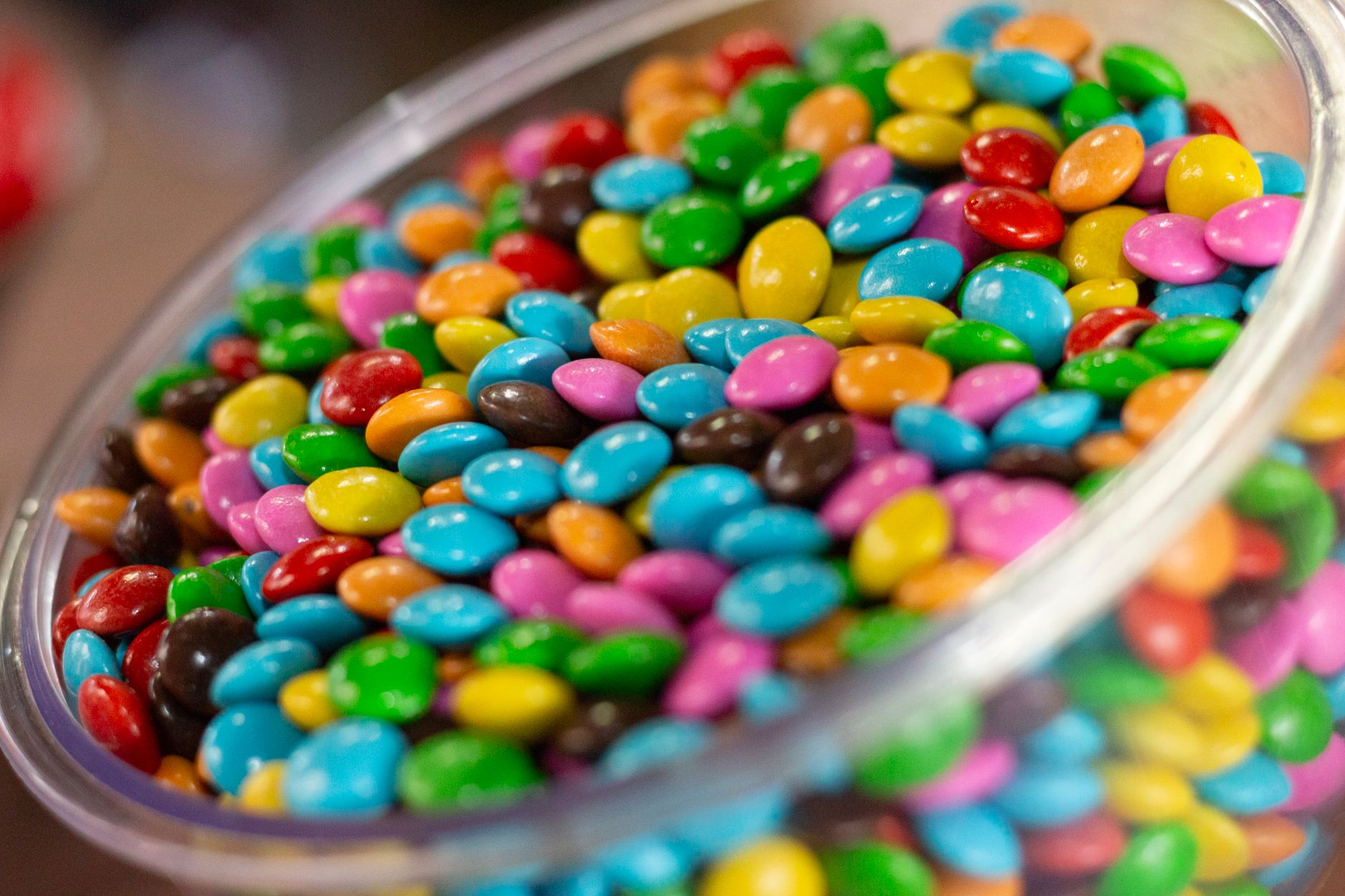
The color of the M can vary depending on the specific variety of M&Ms. Traditional milk chocolate M&Ms feature a white M printed on colored candies. In recent years, M&Ms have expanded to include varieties such as peanut, almond, crispy, and pretzel, each with its own unique color scheme. Here are the typical colors of the M&Ms:
- Red
- Yellow
- Green
- Blue
- Brown
- Orange
Ingredients of the M Color
The M ink primarily consists of food-safe dyes that adhere to food safety regulations. Below are common colorants used in the M:
- Red 40: A synthetic dye that provides a vibrant red hue.
- Yellow 5 and Yellow 6: These contribute to the yellow and orange shades found in M&Ms.
- Blue 1: Used for creating the blue color.
- Green 3: A dye that may be used to produce green colors in limited editions or specialty M&Ms.
These color additives are subject to rigorous testing by food safety agencies to ensure they are safe for consumption. The use of both synthetic and natural colors allows M&Ms to maintain their vibrant appearance while aligning with public preference for more natural food products.
Nutritional Information
Understanding the ingredients in M&Ms helps consumers make informed choices, especially regarding their nutrition. Here is a general breakdown of the nutritional aspects of a classic milk chocolate M&M (per 32g serving):
- Calories: Approximately 140 kcal
- Fat: 6 grams
- Saturated Fat: 4 grams
- Sugar: 15 grams
- Protein: 1 gram
The nutritional values can change between different M&M varieties, such as peanut or pretzel M&Ms, due to their added ingredients.
M&Ms in Recipes
M&Ms are not just snacks; they are also a popular ingredient in various recipes. Their colorful appearance and sweet flavor make them an excellent choice for desserts and party treats. Here are some popular uses for M&Ms:
1. Cookie Recipes
M&Ms can be incorporated into cookie dough to create a festive twist on classic chocolate chip cookies. They add a pop of color and a candy crunch that enhances the overall texture.
2. Cakes and Cupcakes
Add M&Ms to cakes and cupcakes for decoration, or mix them into the batter for an unexpected surprise. Their colorful appearance can also brighten up baked goods for celebrations.
3. Snack Mixes
Combine M&Ms with pretzels, popcorn, and nuts for a delightful homemade snack mix. This blend is perfect for parties or movie nights.
4. Ice Cream Toppings
M&Ms make an excellent ice cream topping, offering both flavor and color. They can be crushed and sprinkled over ice cream sundaes or mixed into soft-serve for added texture.
Serving Suggestions
When serving M&Ms, consider the following tips to enhance your experience:
- Pair with savory snacks: M&Ms go well with salty snacks like pretzels or popcorn, balancing sweetness with savory flavors.
- Use in charcuterie boards: Include M&Ms in a sweet section of a charcuterie board alongside fruits, cheeses, and chocolates for a delightful contrast.
- Incorporate into trail mix: Combine M&Ms with nuts, seeds, and dried fruit for a quick and energizing snack.
Creative Variations of M&Ms
M&Ms have expanded their variety over the years. Below are some creative variations that you might find interesting:
- Peanut M&Ms: A peanut center covered in milk chocolate and a candy shell.
- Almond M&Ms: Similar to peanut M&Ms but with an almond in the center.
- Crispy M&Ms: Featuring a light and crispy rice center.
- Caramel M&Ms: With a gooey caramel center.
- Seasonal Specials: Holiday-themed M&Ms that come in unique colors and flavors.
Common Misconceptions About M&Ms
Despite their popularity, there are several misconceptions about M&Ms that deserve clarification:
- Allergies: While M&Ms are generally safe, those with peanut allergies should be cautious, especially with peanut or other nut varieties.
- Vegan Options: Most traditional M&Ms contain milk, making them unsuitable for vegans. However, some brands offer vegan alternatives.
- Artificial Colors: Some people avoid M&Ms due to artificial colors. However, many varieties now utilize natural colorants.
Storage Tips for M&Ms
To maintain the quality of M&Ms, consider the following storage tips:
- Keep them cool: Store M&Ms in a cool, dry place, away from heat and direct sunlight to maintain their texture.
- Airtight Container: Transfer open packages to an airtight container to prevent them from becoming stale.
- Watch for Expiration: Check expiration dates on packages to ensure freshness.
The History and Cultural Impact of M&Ms
M&Ms were introduced in 1941 and have since become a cultural icon. Originally designed for soldiers during World War II, these candies have maintained their popularity through clever marketing and product variety. Their appeal isn’t just in taste; M&Ms have become symbols in media, advertising, and even celebrations.
Today, you can find M&M-themed merchandise, including clothing, mugs, and party supplies, underscoring their cultural significance.
Conclusion
The M on M&Ms, while a small detail, plays a big role in its branding and consumer identification. Understanding what it’s made of—food-grade printing ink—alongside the ingredient makeup of the candy itself, enhances our appreciation for this delightful treat. With endless possibilities for incorporating M&Ms into your meals and desserts, it’s clear that these iconic candies are not just for snacking, but serve as inspiration for culinary creativity.
Explore related recipes, cooking tips, or food guides to enrich your culinary journey, like discovering what molasses is made from or checking out vegan chocolate alternatives. Happy cooking!