
The pursuit of the longest fruit name can be surprisingly fascinating, sparking curiosity about various fruits and their cultural significance. Fruits are not only a vital part of our diet but also come with unique linguistic flavors. Understanding these fruits can enhance culinary experiences and spark new cooking adventures.
In this article, we explore “The longest fruit name,” with a focus on food uses, interesting facts, and ingredients. Let’s dive into the world of fruits and discover the fruit with the longest name, shedding light on its culinary applications and ways to enjoy it.
What Is the Longest Fruit Name?
The fruit with the longest name is the “Cape Gooseberry,” which contains 13 characters (including the space). Sometimes referred to as Physalis peruviana, this small, yellow-orange berry is known for its sweet, tangy flavor and unique husk. Understanding this fruit’s versatility can help you incorporate it into your meals.
What Is Cape Gooseberry?
The Cape Gooseberry is a small, round fruit encased in a papery husk similar to a lantern, offering protection while its bright color entices birds and other animals for its dispersal. It belongs to the nightshade family, which includes tomatoes and eggplants. Native to South America, this fruit is cultivated in warm regions and is gaining popularity worldwide thanks to its unique flavor and health benefits.
Culinary Uses of Cape Gooseberry
Cape Gooseberries can be enjoyed in various ways. Their sweet and slightly tart flavor profile makes them an excellent ingredient in both sweet and savory dishes.
- Raw Consumption: Cape Gooseberries can be eaten fresh as a snack or in fruit salads. Their vibrant color adds visual appeal.
- Jam and Jellies: The high pectin content lends itself well to making jams and jellies, capturing their unique flavor.
- Salads: Add them to salads for a burst of sweetness and a nutritious boost.
- Sauces: Cook them down into sauces for meats and fish, offering a creative pairing for various dishes.
- Desserts: Use them in tarts, pastries, or as toppings for yogurt and ice cream.
Buying and Storing Cape Gooseberries
When purchasing Cape Gooseberries, look for firm fruit in intact husks that have a fresh, vibrant color. Avoid any shriveled or discolored fruits, which may indicate overripen or spoilage. They should be stored in a cool, dry place and can last up to a few weeks if kept in their husk. Once peeled, they should ideally be used within a few days.
Health Benefits
Cape Gooseberries are low in calories but high in nutritional value. They are rich in vitamins A and C, which are known for their antioxidant properties. In addition, they provide dietary fiber, which supports digestive health.
Other Long Fruit Names
While the Cape Gooseberry holds the title for the longest fruit name, it’s worth exploring other fruits with notably lengthy names. These fruits may not be contenders for the longest name, but they are still interesting and versatile in their culinary applications.
Fruit Names Worth Mentioning
- Dragonfruit: Also known as pitaya, this tropical fruit is known for its surreal appearance and mild sweetness.
- Black Sapote: Often referred to as “chocolate pudding fruit,” it has a creamy texture that can replace chocolate in desserts.
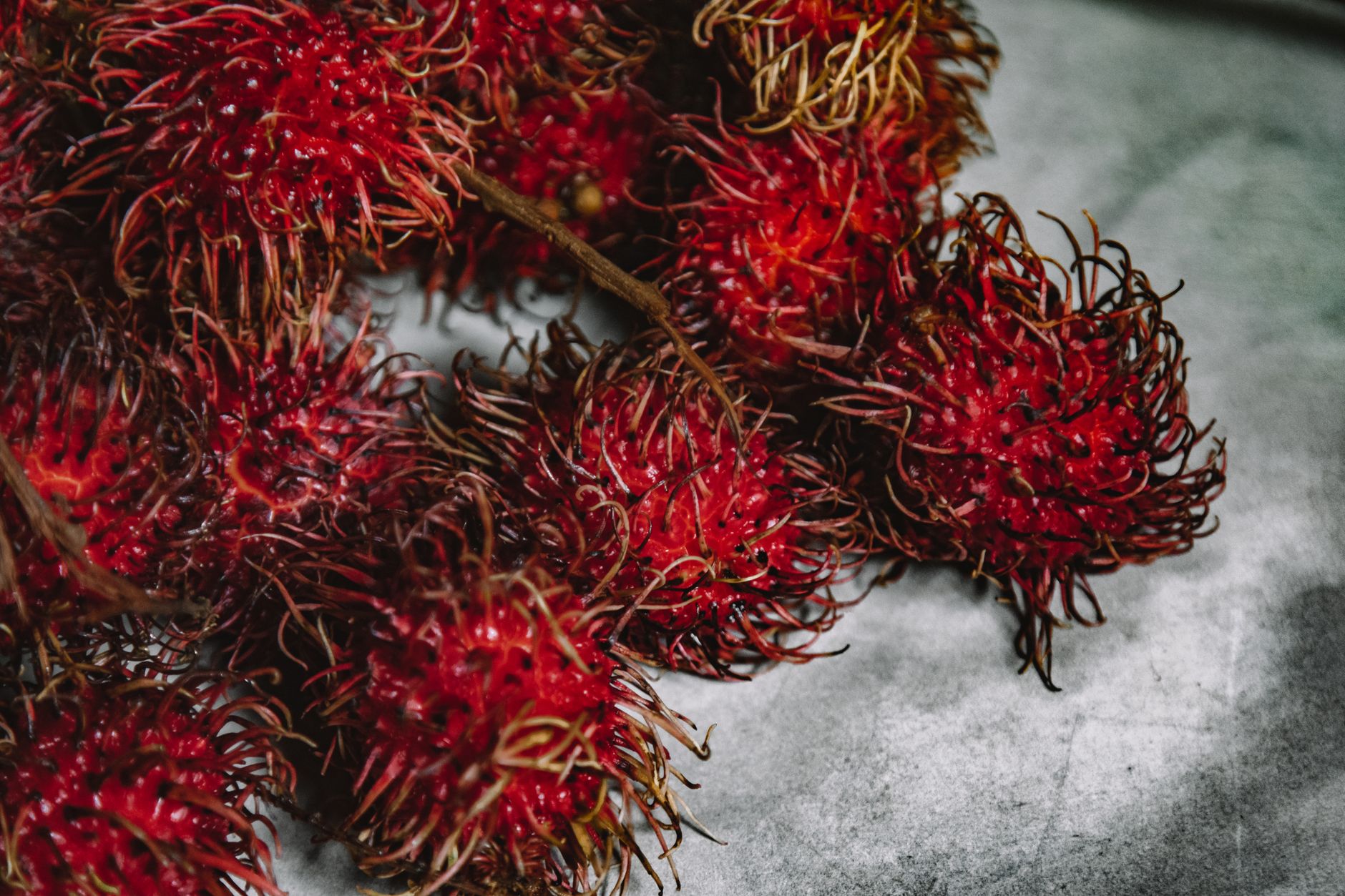
- Rambutan: Hailing from Southeast Asia, its sweet, juicy flesh is enclosed in a hairy skin.
- Fruit Salad Plant: This plant produces small, edible fruits that can be used in fresh fruit salads.
Cooking With Long-Named Fruits
Fruits with long names often carry unique flavors or textures, requiring innovative recipes to highlight their characteristics. Below is a basic recipe featuring Cape Gooseberries, demonstrating their versatility and encouraging experimentation.
Cape Gooseberry Tart Recipe
This delightful tart balances the natural sweetness of the Cape Gooseberries with a buttery crust and is perfect for any occasion.
Yield: 8 servings
Preparation Time: 30 minutes
Cooking Time: 35 minutes
Total Time: 1 hour 5 minutes
Ingredients
- 1 ½ cups all-purpose flour
- ½ cup unsalted butter, cold and cubed
- ¼ cup granulated sugar
- 1 cold egg yolk
- 2 cups Cape Gooseberries, husked and rinsed
- ½ cup brown sugar
- 2 tablespoons cornstarch
- 1 teaspoon vanilla extract
- ½ teaspoon salt
- 1 tablespoon lemon juice
Essential Equipment
- Mixing bowl
- 9-inch tart pan
- Rolling pin
- Baking sheet
- Oven
Method
- In a mixing bowl, combine the flour, granulated sugar, and salt.
- Cut in the cold butter until the mixture resembles coarse crumbs.
- Add the egg yolk and mix until the dough comes together. Wrap in plastic wrap and chill for 30 minutes.
- Preheat your oven to 350°F (175°C).
- Roll out the dough on a lightly floured surface and press it into the tart pan. Poke holes in the bottom with a fork and line with parchment paper. Add pie weights or dried beans.
- Bake for 15 minutes, remove the weights, and bake for an additional 10 minutes until golden.
- While the crust is cooling, prepare the filling by mixing the Cape Gooseberries, brown sugar, cornstarch, vanilla extract, lemon juice, and salt in a bowl.
- Pour the mixture into the cooled tart crust and spread evenly.
- Bake for an additional 20 minutes until the filling is bubbly and set.
- Let cool before serving, garnished with whipped cream if desired.
Variations
You can experiment with this recipe by incorporating other fruits such as dragonfruit or using a different crust like almond or oat for a distinct flavor and texture.
Common Mistakes
Avoid overworking the tart dough, which can lead to a tough texture. Also, be cautious when measuring your ingredients, as precise quantities contribute to the overall success of the dish.
Storage and Reheating
Store any leftover tart in an airtight container in the refrigerator for up to three days. To enjoy it warm, place the slice in an oven set to 350°F (175°C) for about 10 minutes.
Conclusion
The longest fruit name, Cape Gooseberry, not only boasts an impressive title but also a wealth of culinary potential. By understanding its uses, nutritional benefits, and methods to incorporate it into dishes, you can enrich your dining experience with fascinating ingredients.
Consider experimenting with the Cape Gooseberry in your kitchen by making delightful tart recipes or enhancing festive fruit salads. Explore other creative recipes and cooking tips to expand your culinary repertoire. Check out how to cut a dragon fruit or try a delicious mango sago recipe for more inspiration.