
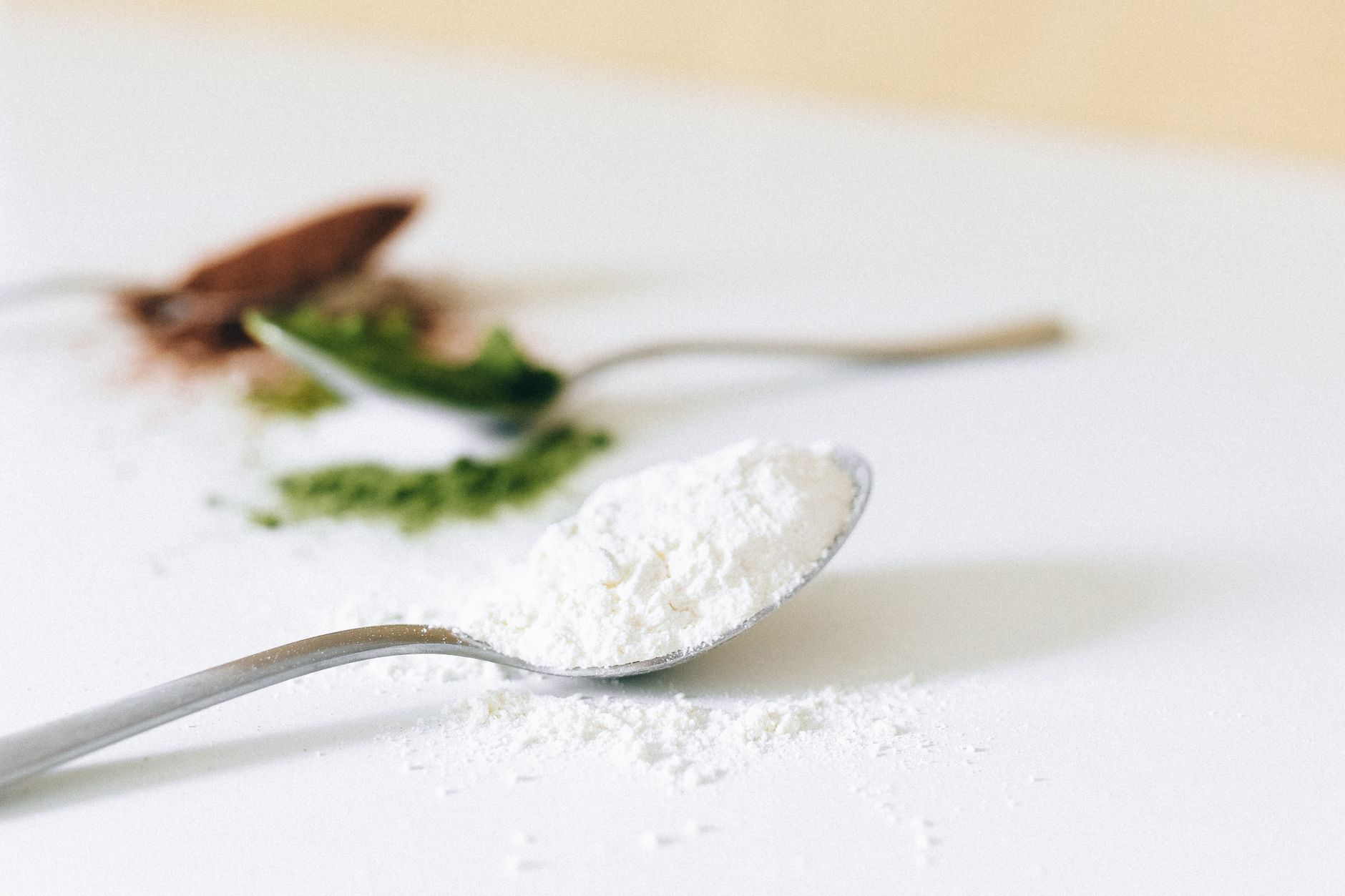
Flour is a fundamental ingredient in many kitchens, but not all flour is created equal. Understanding the difference between regular flour and bread flour is crucial for achieving the desired results in baking. This article dives into their characteristics, uses, and the science behind their unique properties.
Whether you’re embarking on a bread-making adventure or simply trying to perfect your baked goods, knowing when to use each type of flour can make a significant difference in taste and texture.
What Is The Difference Between Regular Flour And Bread Flour?
The primary difference between regular flour, often referred to as all-purpose flour, and bread flour lies in their protein content. Regular flour typically contains about 10-12% protein, whereas bread flour has a higher protein content of 12-14%. This difference affects gluten development and, consequently, the texture and structure of the finished product.
Understanding Flour Types
Flour comes from grinding grains, and its type is determined by the grain’s protein content, how it is processed, and the intended culinary use. The two types most commonly compared are all-purpose flour and bread flour, each playing critical roles in the kitchen.
Regular Flour (All-Purpose Flour)
Regular or all-purpose flour is a versatile staple in most homes. It is milled from a blend of hard and soft wheat, making it adaptable for various recipes—everything from cookies and cakes to sauces and gravies.
- Protein Content: Typically 10-12%
- Texture: Light and fluffy
- Uses: Ideal for cookies, cakes, muffins, quick breads, pancakes, and sauces
- Availability: Widely available in bleached and unbleached varieties
Bread Flour
Bread flour is specially designed for yeast-based recipes. Its higher protein content promotes more gluten development, which is necessary for creating the chewy texture associated with artisanal breads.
- Protein Content: Typically 12-14%
- Texture: Coarse and dense
- Uses: Best for yeast breads, pizza doughs, and bagels
- Availability: Often unbleached, may contain vital wheat gluten
The Science of Gluten
Gluten is a protein found in wheat that forms when flour is mixed with water. The gluten network provides structure and elasticity in bread, allowing it to rise as yeast ferments and produces gas. Understanding how protein content affects gluten development is key to selecting the right flour for your recipe.
Higher protein flours, like bread flour, create a stronger gluten network, which leads to a chewier texture in bread. Conversely, lower protein flours result in a more tender product. This principle is why cake flour, with its even lower protein content, is suitable for delicate cakes.
Taste and Texture Differences
The taste and texture of baked goods differ significantly depending on the type of flour used. Here’s a closer look at how these elements vary:
Using Regular Flour
Regular flour produces baked goods that are generally more tender and softer. Cakes and cookies made with all-purpose flour tend to have a lighter crumb and a more delicate texture. This flour allows for a wide range of flavors to shine without becoming overwhelming.
Using Bread Flour
Breads made with bread flour have a chewier, denser texture and a robust crust due to enhanced gluten development. The increased protein allows for better gas retention, resulting in a bread with a beautiful rise and hearty structure. The flavor in bread made with bread flour can be richer since it often permits longer fermentation times, which develops deeper flavors.
Cooking and Baking Uses
Choosing the right flour can significantly alter the outcome of your recipe. Below, we explore the best uses for each type of flour.
Best Uses for Regular Flour
- Cakes: The delicate crumb from all-purpose flour is perfect for light and airy cakes.
- Cookies: It helps create a soft texture, which is ideal for chewy or crumbly cookies.
- Pancakes and Waffles: All-purpose flour makes for fluffy breakfast options.
- Thickening Agents: It is effective in sauces and gravies, providing a smooth consistency.
Best Uses for Bread Flour
- Yeast Breads: Ideal for sandwich breads, rolls, and artisan loaves that require structure and chew.
- Pizza Dough: Creates a chewy crust that holds up well under toppings.
- Bagels: The density and chewiness of bagels come from using bread flour.
- Flatbreads: For breads like naan and pita that need strength but also flexibility in cooking.
Ingredient Substitutions
If you find yourself short on a specific type of flour, you may be tempted to substitute one for the other. However, doing so can significantly impact the outcome of your dish.
How to Substitute Regular Flour for Bread Flour
To use regular flour in place of bread flour, you might consider adding a tablespoon of vital wheat gluten to every cup of all-purpose flour. This can help mimic the higher protein content and improve gluten formation. However, keep in mind that the bread may still turn out slightly softer.
How to Substitute Bread Flour for Regular Flour
Using bread flour in place of all-purpose flour may lead to denser baked goods. If you want a lighter result, you can reduce the amount used slightly, or consider mixing it with cake flour for a softer texture.
Common Mistakes When Baking With Flour
Even seasoned bakers can run into issues when working with flour. Here are a few common mistakes and how to troubleshoot them:
- Measuring Incorrectly: Always measure flour by weight instead of volume for accuracy. A scale is helpful and can lead to better results.
- Ignoring Protein Content: If a recipe calls for a specific type of flour, substituting with the wrong flour may not yield satisfactory results.
- Overmixing Dough: This can result in tough baked goods. Mix only until ingredients are combined, especially with all-purpose flour.
Final Tips for Flour Selection
Choosing the right flour can enhance your baking results significantly. Here are some practical tips:
- Know Your Recipe: Understanding what you are making will guide you in selecting the right flour.
- Experiment: Don’t hesitate to try different flours to discover new flavors and textures.
- Storage: Store flour in an airtight container in a cool, dry place to prolong its freshness.
Understanding the differences between regular flour and bread flour not only helps you achieve the desired texture and flavor in your baked goods, but it also enhances your overall baking skills. By knowing when to use each type, you ensure that your recipes will shine.
Looking to take your skills to the next level? Explore further about different types of flour, including the differences between bleached and unbleached flour. For those wanting to experiment with alternative flours, check out alternatives like almond flour for baking.