
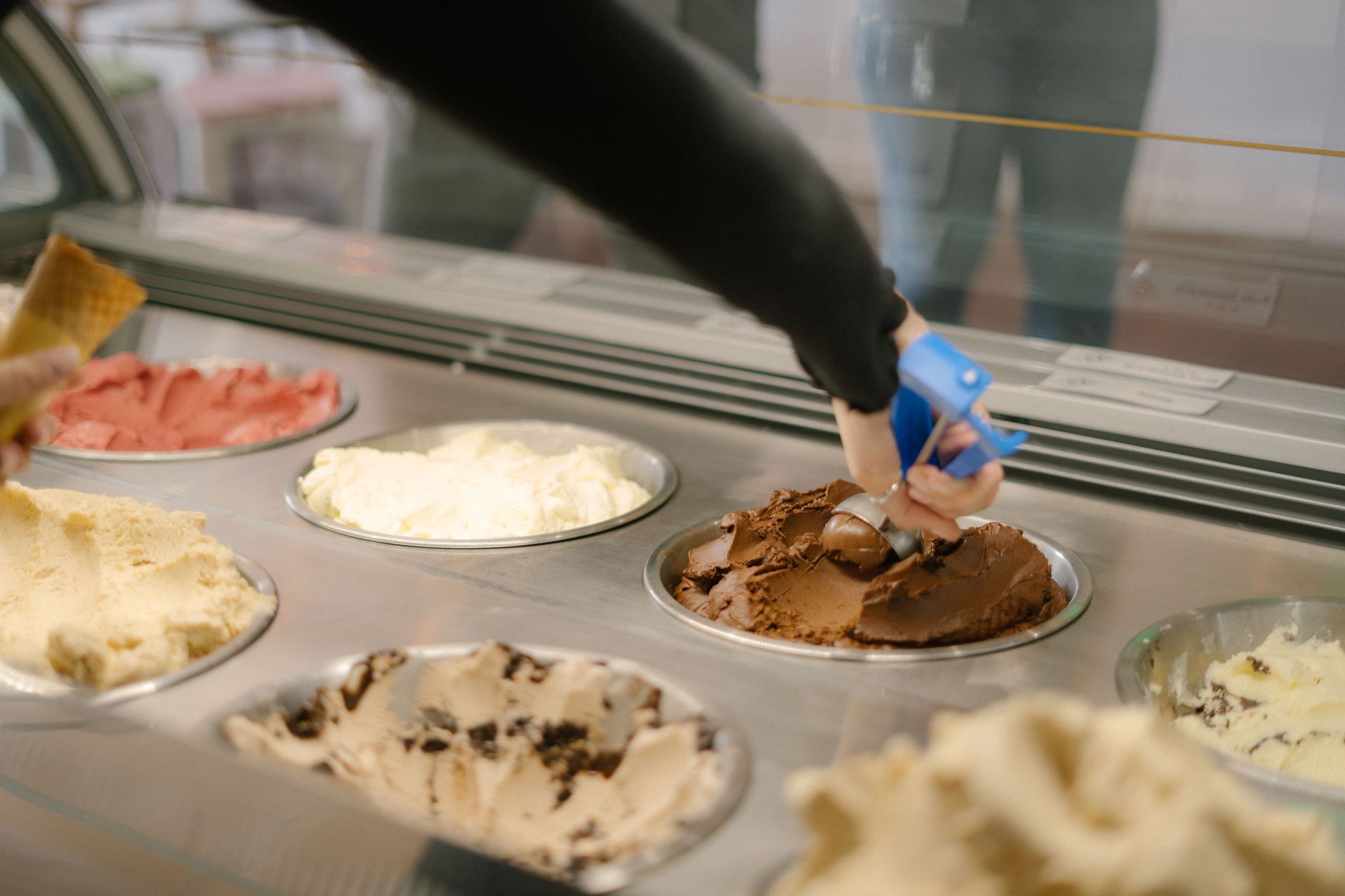
The sweet world of frozen desserts often raises an intriguing question: what sets ice cream apart from gelato? While they may appear similar at first glance, these delightful treats have distinct differences that affect their flavor, texture, and how they’re made. Understanding these nuances can help you choose the perfect frozen indulgence for any occasion.
This article delves into the essential characteristics of ice cream and gelato, exploring their ingredients, production methods, and the resultant sensory experiences. Arm yourself with knowledge to impress friends at your next dinner party or to enhance your own culinary pursuits.
What Is The Difference Between Ice Cream And Gelato?
The primary differences between ice cream and gelato lie in their base ingredients, production methods, and resulting texture and flavor profiles. Ice cream typically contains more cream, air, and egg yolks, leading to a richer and creamier texture, while gelato has less fat and is churned slower, resulting in a denser, silkier consistency.
Ingredient Differences
At a fundamental level, the distinguishing ingredients of ice cream and gelato significantly impact their flavors and textures. Here is an overview of the key ingredients for both frozen desserts:
Ice Cream Ingredients
- Milk and Cream: Ice cream usually has a higher cream-to-milk ratio, lending richness and creaminess.
- Egg Yolks: While not mandatory, egg yolks are commonly included in traditional ice cream recipes to enhance creaminess and provide a custard-like texture.
- Sugars: Granulated sugar and other forms such as corn syrup or sweeteners contribute sweetness and stability.
- Flavorings: A wide array of flavors can be used, including vanilla, chocolate, fruits, and mix-ins like nuts and candy. Some ice creams are also made with stabilizers or emulsifiers to improve texture and shelf-life.
Gelato Ingredients
- Milk: Gelato primarily uses milk, featuring less cream than ice cream, which lowers the fat content overall.
- Lower Egg Yolks: Gelato often has fewer egg yolks—if any—resulting in a creamier texture without the heaviness associated with ice cream.
- Sugars: Similar to ice cream, various sugars are added, but gelato sometimes employs natural sweeteners like honey to enrich flavor.
- Flavorings: Gelato emphasizes fresh, natural flavors and may include more fruit purees or nuts. It often features less variety than standard ice cream options but highlights authentic taste.
Production Methods
The methods used to create ice cream and gelato also differ, leading to varied textures and flavor sensations. Here’s a closer look at the two processes:
How Ice Cream Is Made
- Mixing: Ice cream begins by mixing milk, cream, sugar, and egg yolks (if used) in a saucepan. This base is heated gently to create a custard.
- Chilling: Once the mixture is cooked, it is cooled and aged, allowing the ingredients to meld and the mix to stabilize.
- Churning: The mixture is then churned at a higher speed than gelato, incorporating air into the base to create a light and fluffy texture.
- Freezing: After churning, the ice cream is frozen quickly to solidify and preserve its creamy consistency, generally serving between -10°F to -20°F (-23°C to -29°C).
How Gelato Is Made
- Mixing: Gelato starts similarly with ingredients like milk, sugar, and flavorings mixed in a base, often without the egg yolks or with fewer of them.
- Chilling: The mixture is cooled but not aged as long as in ice cream production.
- Churning: Gelato is churned at a slower speed than ice cream, incorporating less air (known as overrun) which makes it denser.
- Serving Temperature: Gelato is typically served at a warmer temperature than ice cream, about -10°F (-23°C), enhancing its softer and silkier texture.
Texture and Flavor Profiles
The differences in ingredients and production processes lead to unique textures and flavor profiles in ice cream and gelato. Here’s how they stack up:
Texture
Ice cream is known for its rich and creamy texture, thanks to its higher fat content and airy feel. The airy structure allows it to be luxurious and smooth.
Gelato is denser, silkier, and creamier with less air whipped into it. The lower fat content also allows your taste buds to discern the flavors more prominently, often resulting in a more intense taste.
Flavor
Ice cream flavors can range from classic options like vanilla and chocolate to unique combinations. Because of its higher fat content, ice cream tends to have a rich mouthfeel.
Gelato, with its emphasis on purity and freshness, often reflects more natural flavors. The cooler serving temperature and lower fat content make each flavor more pronounced, allowing for a vivid tasting experience.
Cultural Distinctions
Ice cream and gelato each have their own cultural significance. Ice cream is prevalent in the United States and many Northern countries, often consumed year-round and associated with summertime treats. It symbolizes indulgence and comfort.
Gelato, rooted in Italian tradition, is often paired with a café culture and is stored in open-air gelato displays, creating a sensory experience that invites tasting. It’s a staple throughout Italy, known for its artisanal quality and fresh ingredients.
Common Mistakes When Choosing Or Making Ice Cream And Gelato
Whether you’re selecting a frozen treat from the store or attempting to make your own at home, there are a few common mistakes to be aware of:
- Not Reading Labels: When purchasing ice cream or gelato, check the label for ingredients and fat content. Many mass-produced ice creams include additives which may affect flavor and texture.
- Poor Storage: Proper storage is essential. Ice cream and gelato should be kept at a consistent temperature to avoid ice crystals or freezer burn.
- Incorrect Churning: If making ice cream or gelato at home, ensure the base is churned for the appropriate time. Over-churning can lead to icy textures, while under-churning may not incorporate enough air.
- Serving Temperature: Serving gelato directly from the freezer may leave it hard and less palatable. Allow it to sit for a few minutes to soften before serving.
- Choosing the Wrong Glassware: When serving gelato, avoid tall glasses or wide bowls that can overchill the dessert. Instead, opt for a shallow bowl to maintain the ideal temperature.
Practical Tips for Pairing and Serving
Here are some suggestions for serving ice cream and gelato at your next gathering:
- Mix and Match: Create a fun dessert bar by offering various flavors of ice cream and gelato, along with toppings like nuts, syrups, fresh fruits, and whipped cream.
- Food Pairings: Ice cream pairs well with baked goods like brownies, cookies, or pie, while gelato can enhance fruit-based desserts like tarts or pavlovas.
- Alcoholic Pairings: For an adult twist, consider pairing gelato with dessert wines or ice cream floats made with soda or your favorite liquor.
- Presentation: An elegant presentation can transform simple scoops into a delightful experience. Choose attractive serving dishes and consider garnishing with fresh herbs, edible flowers, or contrasting sauces.
Conclusion
Understanding the differences between ice cream and gelato enhances your appreciation of these beloved frozen desserts. Each brings something unique to the table, whether it’s the rich creaminess of ice cream or the intense freshness of gelato. The next time you indulge, you’ll be equipped with insights that elevate your enjoyment.
Explore related recipes, cooking tips, or food guides on our website, including how to make a Wendy’s Frosty recipe or try your hand at ice cream bread. Your frozen dessert journey does not have to stop here!