
Finding the best smoker involves understanding the types available, their cooking capabilities, and how each can suit various culinary needs. Whether you’re drawn to the smoke-infused flavors of barbecued meats or simply want to experiment with new cooking techniques, choosing the right smoker can greatly enhance your culinary experience.
This guide will explore different types of smokers, their uses in the kitchen, and vital buying tips to help you make an informed decision. From vertical water smokers to electric options, we will help you identify what will work best for your culinary adventures.
What Is the Best Smoker?
The best smoker for you depends on your cooking style, budget, and the kind of food you wish to prepare. Every smoker has its unique features that can make it ideal for specific tasks. Understanding the available options and their characteristics is crucial for making the right choice.
Types of Smokers
Smokers primarily come in four types, each with its distinct features, advantages, and disadvantages. Here is a brief overview of each type:
1. Offset Smokers
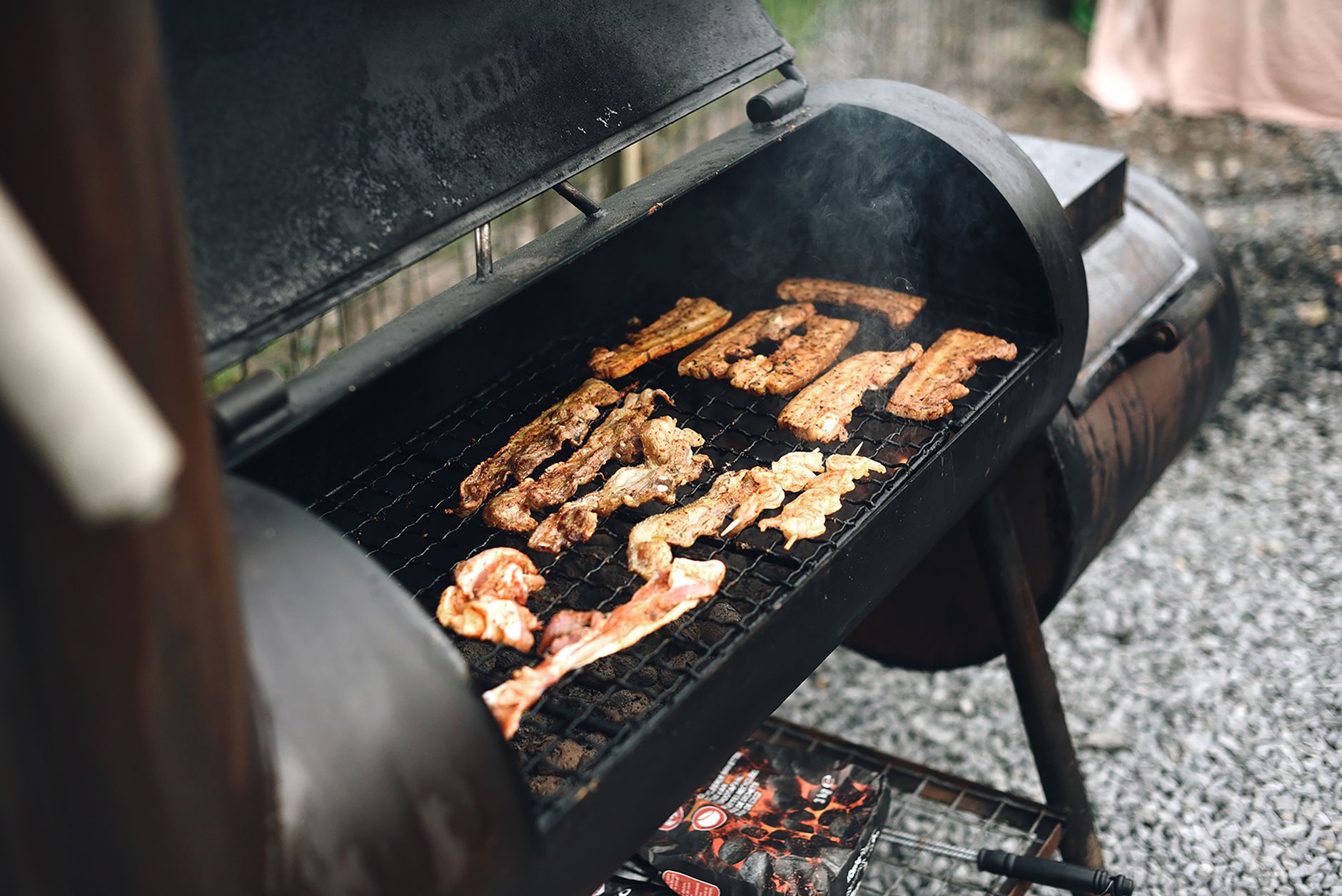
Offset smokers are popular for long cooking sessions, especially for large cuts of meat. They consist of a main cooking chamber and a smaller side firebox where the wood is burned. Smoke and heat flow from the firebox into the main chamber, cooking the food evenly.
- Pros: Superior heat and smoke control, ideal for large cuts like briskets and ribs.
- Cons: Requires more skill and patience to manage temperature and smoke levels.
2. Vertical Water Smokers
These smokers use water pans to regulate temperature and keep the meat moist. They are usually compact and ideal for beginners learning the smoking process. The design allows smoke to circulate effectively around the food, enhancing flavor.
- Pros: Very user-friendly, excellent moisture retention, great for smaller spaces.
- Cons: Limited cooking space; not suitable for larger cuts or bigger gatherings.
3. Electric Smokers
Electric smokers offer convenience and consistency, making them perfect for beginners. They are easy to use, requiring minimal effort to maintain the desired temperature and smoke levels.
- Pros: User-friendly, temperature-controlled, great for beginners.
- Cons: Less traditional flavor profile; power-dependent.
4. Pellet Smokers
Pellet smokers utilize wood pellets to produce heat and smoke. They offer the convenience of electric smokers combined with the flavor of wood smoking. With a digital control panel, they are easy to operate.
- Pros: Versatile, great flavor, and often equipped with digital temperature controls.
- Cons: More expensive than traditional charcoal smokers; pellets can be expensive.
Kitchen Uses of Smokers
Smokers are not just for meats; they can be used to infuse flavors into various foods. Here are some popular uses:
Meats
Smokers excel at cooking meats like briskets, pork ribs, sausages, and poultry. The low-and-slow cooking method allows the meat to absorb the smoky flavor while becoming tender and juicy.
Vegetables
Many home cooks enjoy smoking vegetables, which enhances their natural flavors. Vegetables like bell peppers, zucchini, and tomatoes can be deliciously transformed with a touch of smoke.
Fish and Seafood
Smoking fish such as salmon or trout can create flavorful dishes. The process can enhance the taste while preserving the fish.
Nuts and Cheese
Nuts and cheeses can also be smoked for added flavor in salads or cheese boards. Cold smoking is often used for these items to avoid melting.
Buying Tips for the Best Smoker
Choosing the right smoker requires careful consideration of various factors. Here’s what to keep in mind:
- Budget: Determine your budget before shopping. Smokers range from affordable to high-end models.
- Cooking Capacity: Consider how much food you plan to smoke at once. Choose a smoker accordingly.
- Material Quality: Look for durable materials like stainless steel to ensure longevity.
- Ease of Use: Beginners may prefer electric or pellet smokers for their simplicity and convenience.
- Portability: If you plan to take your smoker on camping trips or outdoor gatherings, consider its weight and size.
- Temperature Range: Different foods require different temperatures, so choose a smoker that can handle a wide range.
Common Mistakes to Avoid When Using a Smoker
Beginners often make mistakes that can lead to less-than-ideal results. Here are some common pitfalls and how to avoid them:
- Not Preheating: Always preheat your smoker for more consistent cooking temperatures.
- Overloading the Smoker: Leaving enough space between items ensures proper airflow and even cooking.
- Ignoring Temperature: Use a reliable thermometer to monitor the internal temperature of both the smoker and the meat.
- Not Experimenting: Don’t hesitate to try different woods for unique flavors—each type of wood adds its character.
- Forgetting to Season: Proper seasoning of the smoker is essential for flavor development; maintain it for optimal results.
Maintenance and Care for Smokers
Proper maintenance extends the life of your smoker and ensures great-tasting food. Follow these cleaning and care tips:
- Regular Cleaning: Clean your smoker after each use to prevent buildup and corrosion.
- Inspect Seals: Check gaskets and seals regularly to maintain temperature control and efficiency.
- Storage: Store your smoker in a dry place, especially if it’s made of metal, to prevent rust.
- Seasoning: Periodically season your smoker by coating it with oil and heating it to develop a non-stick layer.
Final Thoughts on the Best Smoker
The best smoker ultimately comes down to personal preferences, the types of food you enjoy preparing, and your cooking style. Each type of smoker has its advantages, whether you value traditional flavor, ease of use, or flexibility.
For those starting their smoking journey, consider your budget and space before making a decision. With the right choices, you can create flavorful, tender, and juicy dishes that impress family and friends alike.
By exploring options and understanding how to use and care for your smoker, you’ll be well on your way to mastering the art of smoking food. So, prepare your favorite meat and veggies, and enjoy the smoky goodness that comes from your new culinary tool.
For practical recipes that can be prepared in your smoker, you might be interested in knowing how long to smoke chicken thighs or trying this smoked beef ribs recipe. Enjoy cooking and discovering all that smoking has to offer!