
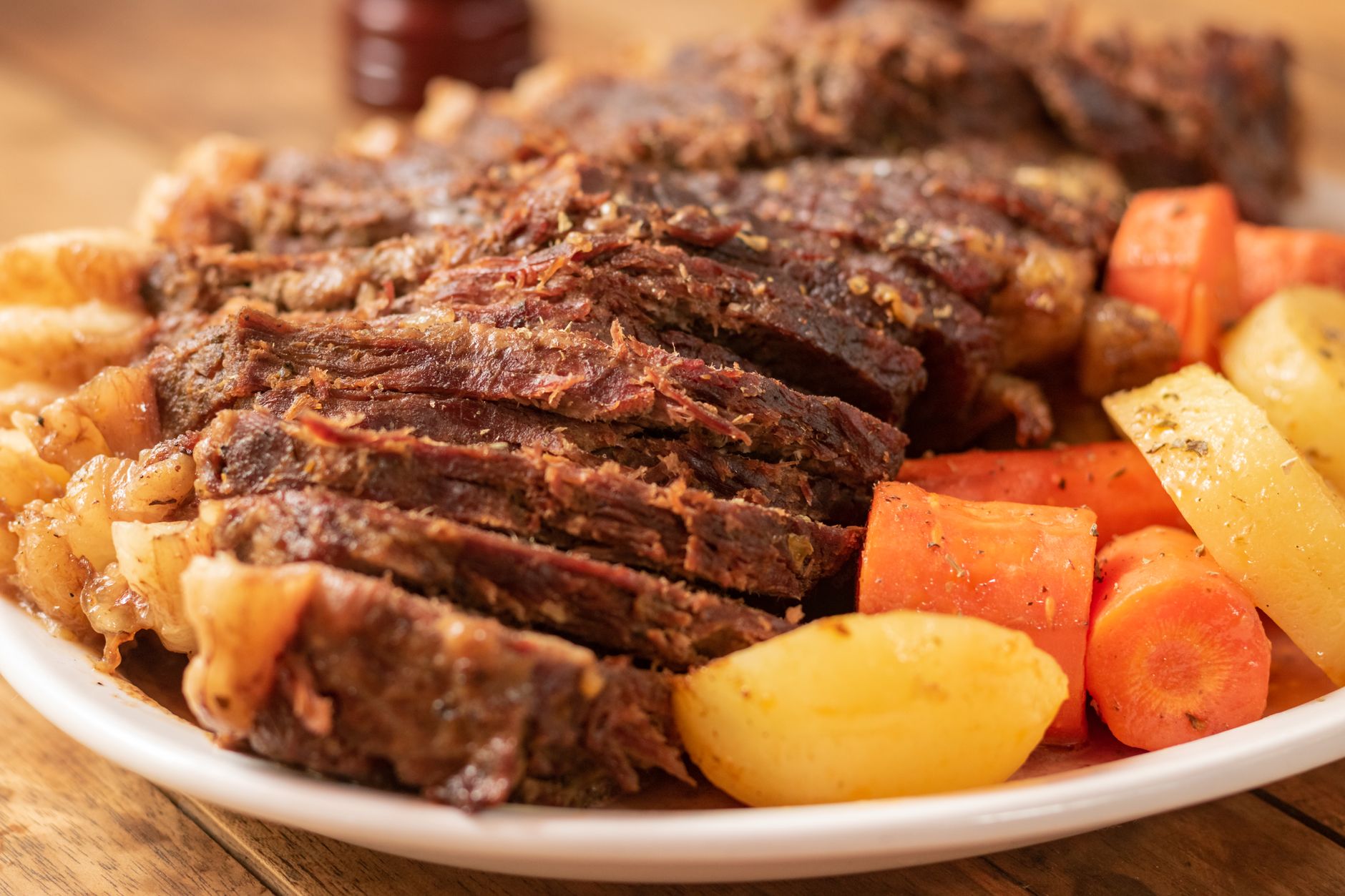
Pot roast is a classic dish known for its rich flavors and comforting qualities. This slow-cooked meal relies heavily on the choice of meat, which can significantly influence the final taste and texture. In this article, we will explore the best meats for pot roast, along with tips for sides and pairing ideas to create a well-rounded meal.
Choosing the right meat for pot roast is crucial for achieving that tender, melt-in-your-mouth experience. The cut of meat should withstand long cooking times, making tougher cuts ideal for this preparation method. This article will cover not only the best cuts of meat but also how they contribute to the overall success of your pot roast.
What Is The Best Meat for Pot Roast?
The best meats for pot roast are typically tougher cuts that have a good amount of connective tissue, which breaks down during the slow cooking process. The most recommended cuts include chuck roast, brisket, and round roast. Each of these options provides unique flavors and textures for pot roast.
1. Chuck Roast
Chuck roast is arguably the most popular choice for pot roast. This cut comes from the shoulder area of the cow, providing a rich flavor and plenty of marbling. The marbled fat within the meat breaks down and imparts moisture, resulting in a tender, juicy finish.
Flavor and Texture
When cooked, chuck roast develops a deep, beefy flavor. The texture is hearty and satisfying, making it a perfect centerpiece for any pot roast meal. Because of its rich flavor profile and tenderness, chuck roast is a favorite among many home cooks.
Cooking Method
Chuck roast is best cooked slowly, either in a Dutch oven or a slow cooker. Cooking it low and slow allows the collagen in the meat to break down, turning the roast soft and fork-tender.
2. Brisket
Brisket is another great option for pot roast. This cut comes from the chest of the cow and has a leaner texture compared to chuck roast, but it still contains enough fat to keep it moist during the cooking process.
Flavor and Texture
Brisket has a slightly different flavor profile than chuck, often described as being rich yet savory. It can be simply seasoned and still come out delicious due to its inherent flavor. The texture is tender but has more chew than chuck, making it a robust option for pot roasts.
Cooking Method
Brisket benefits from low, slow cooking, much like chuck roast. Braising the meat enhances its flavor and helps keep it moist while allowing it to become tender. Whether in a Dutch oven or a slow cooker, the key is to cook it until it reaches the ideal tenderness.
3. Round Roast
Round roast, specifically bottom round roast or eye of round roast, is a leaner option compared to chuck and brisket. It’s also more budget-friendly, making it a popular choice for those cooking on a budget.
Flavor and Texture
This cut is less marbled than the previous options, which means it can be a little less juicy. However, when cooked correctly, it still yields a flavorful pot roast. The texture is firm but can be very tender if not overcooked.
Cooking Method
To achieve tenderness, round roast should also be cooked slowly. Opt for methods like braising or slow cooking while being careful not to dry it out. Adding a flavorful broth or liquid can help prevent dryness and add depth to the dish.
Other Cuts to Consider
While chuck, brisket, and round roast are the top contenders for pot roast, other cuts can also be utilized based on availability and personal preference.
- Flank Steak: Leaner cut best used for quick cooking but can work in a pinch.
- Rump Roast: Flavorful cut that can work well in a pot roast setting.
- Short Ribs: Rich and flavorful, great for a gourmet take on pot roast.
- Chuck Eye Roast: Similar to chuck roast but more tender and flavorful.
How to Choose the Right Cut
Selecting the best meat for pot roast isn’t just about the cut; it also involves considering its quality, marbling, and freshness. Here are some tips to guide you:
- Look for marbling: The more streaks of fat running through the meat, the better it will be for pot roast.
- Check the color: Fresh beef should have a bright red or dark red color; dull or brown meat may indicate age.
- Ask your butcher: Don’t hesitate to seek expert advice on the best options available.
Essential Cooking Techniques for Pot Roast
Besides choosing the right cut of meat, mastering cooking techniques can enhance the flavor and texture of pot roast. Here are some essential techniques to consider:
Browning the Meat
Before braising, browning the meat is crucial. This step not only adds flavor through the Maillard reaction but also helps create a rich, flavorful base for your pot roast. Use a hot, heavy-bottomed pot and cook the meat on all sides until browned.
Braising
Braising is the technique that makes pot roast successful. It involves cooking the meat slowly in a small amount of liquid, typically in a covered pot. Make sure to choose a flavorful liquid such as beef broth or red wine to enhance the dish.
Cooking Time
Pot roast should be cooked slowly to achieve the desired tenderness. Generally, a cooking time of 3 to 4 hours in a slow cooker or around 2.5 to 3 hours in a Dutch oven at 325°F (163°C) is ideal. Always check for doneness; the meat should be fork-tender.
What to Serve with Pot Roast
Pairing sides with pot roast can elevate the meal. Here are some classic and complementary options:
- Mashed Potatoes: Creamy and buttery mashed potatoes complement the rich flavors of pot roast.
- Roasted Vegetables: Carrots, onions, and potatoes roasted in the oven are hearty and absorb the meat’s flavors.
- Green Beans: A light and fresh side dish serves as a nice contrast to the heavy meat.
- Crusty Bread: Perfect for soaking up the delicious gravy.
Pairing Ideas for Pot Roast
Choosing beverages and garnishes can further enhance the pot roast experience. Here are some ideas:
Wine Pairings
Red wines such as Cabernet Sauvignon, Merlot, or Malbec work exceptionally well with pot roast. Their bold flavors complement the beef beautifully.
Garnishes
Fresh herbs like thyme, rosemary, or parsley can be sprinkled on the finished dish for added freshness and flavor. A drizzle of balsamic reduction can also add unique nuances to the presentation.
Common Mistakes to Avoid
When cooking pot roast, it’s easy to make some missteps. Here are common mistakes to watch out for:
- Overcooking: While pot roast needs to be cooked till tender, overcooking can lead to dry meat. Set a timer and check doneness periodically.
- Skipping on the liquid: A pot roast requires sufficient liquid to cook properly. Make sure to add enough broth or wine.
- Not browning the meat: This step enhances flavor; don’t skip it!
Make-Ahead Guidance
Pot roast can be a great dish to prepare ahead of time. Here are some tips for make-ahead guidance:
- Cook ahead and refrigerate: Pot roast can be cooked a day or two in advance. Stores well in the fridge for reheating.
- Freezing: If preparing in bulk, pot roast freezes well. Make sure to cool it completely before sealing and freezing.
- Reheating: When reheating, add a splash of broth to maintain moisture during heating.
Storing and Reheating Pot Roast
Proper storage ensures that your pot roast stays fresh and flavorful. Here’s how to go about it:
Storing
After the pot roast has cooled, store it in an airtight container in the refrigerator for up to 3-4 days. For longer storage, freezing is an excellent option.
Reheating
When reheating, a slow and gentle method is preferable to maintain tenderness. Use either the oven at 325°F (163°C), covering the pot to retain moisture, or gently reheat on the stovetop with a splash of broth.
Conclusion
The best meat for pot roast depends on personal preferences and cooking styles, but chuck roast, brisket, and round roast are solid choices that deliver great results. With the right technique and complementary sides, pot roast can become a cherished meal for any occasion.
For detailed recipes, seasoning ideas, or more cooking tips, consider exploring our related recipes for the Dutch Oven Pot Roast and Pot Roast Seasoning Recipe available on our blog.