
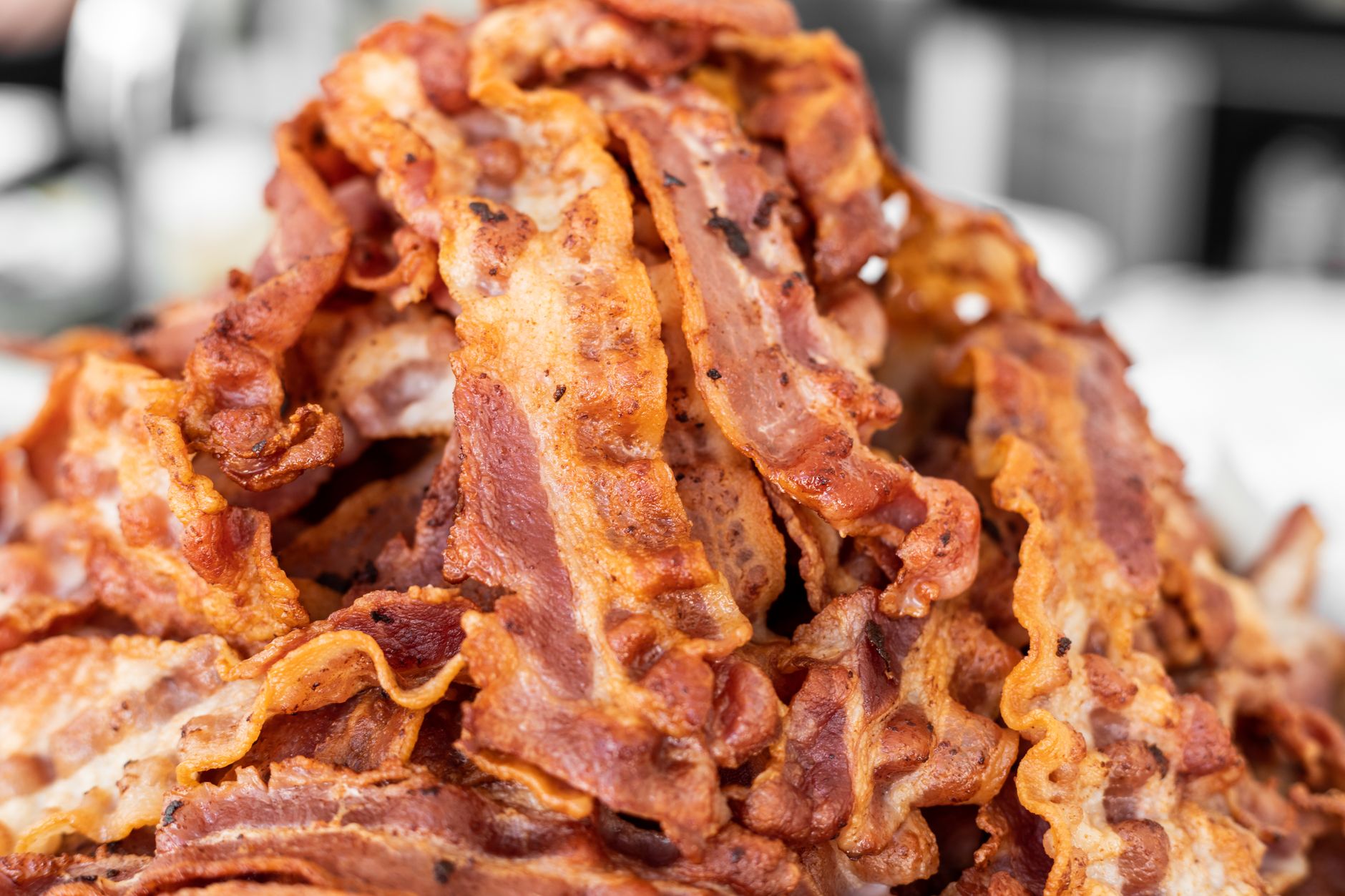
Bacon is a beloved staple across various cuisines, known for its savory flavor and versatility. With several types and brands available on the market, it can be overwhelming to know which bacon to buy. Understanding the differences in cuts, curing methods, and usages can help you select the best bacon for your culinary adventures.
This guide will explore the various types of bacon, their unique flavors and textures, and how to choose the best bacon for your needs. Whether you’re preparing a hearty breakfast, adding a twist to a salad, or featuring it as the star ingredient in a dish, knowing what to look for in bacon is essential.
What Is the Best Bacon to Buy?
The best bacon to buy varies depending on personal taste, intended use, and dietary preferences. Common types include American bacon, pancetta, Canadian bacon, and more. Factors to consider are the cut, curing method, flavor profile, and any additives present. High-quality, minimally processed bacon is usually considered the best option.
Types of Bacon
Bacon is not just one flavor or texture; it comes in various forms, each offering a unique experience. Here’s an overview of the most popular types of bacon available.
1. American Bacon
Often just referred to as “bacon” in the U.S., American bacon is made from the belly of the pig. It is known for its high-fat content, which results in a rich flavor and crispy texture when cooked. This type is ideal for breakfast dishes and adding to sandwiches or salads.
2. Canadian Bacon
Canadian bacon, or back bacon, is made from the pork loin and is much leaner than American bacon. Its flavor is more subtle, and it is typically sold pre-cooked or smoked. Known for its circular slices, it’s a popular choice for eggs Benedict or as a bacon alternative in various dishes.
3. Pancetta
Pancetta is an Italian style of bacon that is salt-cured and often seasoned with spices. Unlike many other types, it is not smoked, giving it a different but equally delightful flavor. Pancetta is great for adding depth to pasta dishes or as a wrapping for vegetables or meats.
4. Turkey Bacon
For those seeking a healthier option, turkey bacon is made from ground turkey and seasoned to taste like traditional bacon. While it has significantly less fat and fewer calories, it can lack the richness of its pork counterparts. It’s an excellent choice for anyone looking for a leaner alternative but still wanting that bacon flavor.
5. Bacon Lardons
Bacon lardons are thick strips of bacon that are cut and cooked until crispy. They are typically used in French cuisine, particularly in salads, stews, and sauces. The rendered fat from lardons can also be utilized for sautéing vegetables, lending a delicious, smoky taste to dishes.
6. Slab Bacon
Slab bacon is an unsliced piece of bacon that allows for custom slicing thicknesses. It is often sold unsmoked or smoked and features a blend of meat and fat. This type can be ideal for use in recipes that require specific thicknesses, such as thickened bacon slices for sandwiches or diced into cooking dishes.
Factors to Consider When Buying Bacon
When selecting the best bacon, consider the following factors:
- Cut: Depending on the dish, certain cuts may be better suited than others. For a crispy breakfast side, American bacon might be ideal, while for a more indulgent dish, pancetta could excel.
- Flavor: Decide if you prefer the rich, smoky flavors of smoked bacon or the milder taste of unsmoked options. Consider any additional seasonings used in its preparation.
- Curing method: Cured bacon can vary significantly. Look for options that use natural curing methods with fewer preservatives.
- Additives: Be cautious of brands that use added sugars or artificial flavors. Reading the label can help you choose better options.
- Dietary restrictions: If you have dietary concerns, like reducing fat intake or avoiding pork, opt for turkey bacon or check labels for specific allergens.
Where to Buy Quality Bacon
Your source of bacon is just as important as the type you choose. Here are some options for finding high-quality bacon:
1. Local Butcher Shops
Supporting local butcher shops is a great way to find fresh, artisanal bacon. Butchers often have a range of options, including house-made products that might cater to unique preferences.
2. Farmers Markets
Farmers markets frequently offer locally sourced meats that are often free of artificial preservatives and additives. Speaking directly with the vendors can provide insight into how the bacon is processed and what cuts are available.
3. Grocery Stores
Mainstream grocery stores usually have a selection of pre-packaged bacon, but brands may vary. Look for brands that specify high-quality cuts and minimal additives. Health-focused grocery stores often have organic or specialty bacon options.
4. Online Retailers
Ordering bacon online can give access to gourmet or specialty products that might not be available locally. Many artisanal brands ship directly to consumers, offering a range of flavors and types.
How to Cook Bacon
Cooking procedures can also affect bacon’s flavor and texture. Here are some common methods for preparing bacon:
1. Pan-Frying
- Begin with a cold, non-stick skillet or stainless-steel pan.
- Layer bacon slices evenly in the pan without overlapping them.
- Heat the pan over medium-low heat, allowing the bacon to slowly render its fat.
- Once the edges start to crisp, carefully turn the slices to promote even cooking.
- Cook for about 8-12 minutes, depending on desired crispiness.
- When done, transfer cooked bacon to a paper towel-lined plate to drain excess fat.
2. Oven-Baking
- Preheat your oven to 400°F (200°C).
- Line a baking sheet with parchment paper for easy cleanup.
- Arrange bacon strips on the sheet, leaving space between each slice for even cooking.
- Bake for 15-20 minutes, or until the bacon reaches your desired level of crispiness.
- Use tongs to transfer cooked bacon to a paper towel to absorb excess fat.
3. Grilling
- Preheat your grill to medium heat.
- Place bacon on a grill-safe pan or a piece of heavy-duty aluminum foil to prevent it from falling through the grates.
- Grill for 5-10 minutes, turning halfway through, until crispy.
- Be cautious of flare-ups, as bacon grease can ignite easily.
4. Microwave
- Place bacon strips between paper towels on a microwave-safe plate.
- Microwave on high for 4-6 minutes, checking for doneness.
- Allow to cool slightly before serving; it will continue to crisp up as it sits.
Practical Uses for Bacon in the Kitchen
Besides serving it as a breakfast side, bacon can add flavor and texture to a variety of dishes. Here are a few culinary uses:
- Salads: Crispy bacon can enhance salads by providing a savory crunch. Consider adding it to a spinach or Caesar salad.
- Pasta: Pancetta or cooked lardons can elevate pasta dishes, adding a rich, meaty flavor to carbonara and other creamy sauces.
- Main Dishes: Bacon-wrapped proteins, such as chicken or shrimp, can create flavorful, imaginative entrées.
- Baked Goods: Bacon can indeed find its way into sweet dishes. Try incorporating it into recipes like chocolate chip cookies or cornbread for unique flavor pairings.
Common Mistakes to Avoid When Cooking Bacon
While cooking bacon seems straightforward, keeping a few common pitfalls in mind can enhance your results:
- Cooking at High Heat: Cooking bacon over high heat can lead to uneven cooking. Opt for medium or medium-low heat for better results.
- Not Using a Draining Surface: Failing to drain cooked bacon on paper towels can leave it greasy, detracting from its flavor.
- Overcrowding the Pan: When frying bacon, give each slice enough space for proper cooking. Overcrowding leads to steaming, resulting in less crispy bacon.
Storage Tips for Bacon
Proper storage is essential for maintaining bacon’s freshness and flavor:
1. Refrigeration
If unopened, store bacon in the refrigerator following the expiration date. Once opened, tightly wrap unused bacon in plastic wrap or foil. It’s best consumed within a week of opening.
2. Freezing
If you won’t use the bacon shortly, consider freezing it. Wrap it tightly in plastic wrap and foil, or store it in an airtight freezer bag. Bacon can last for several months in the freezer.
3. Thawing
To thaw frozen bacon, transfer it to the refrigerator and let it slowly thaw overnight. For quicker defrosting, place the wrapped bacon in cold water, changing the water every 30 minutes until thawed.
If You Need Alternatives
If you’re unable to find a preferred bacon type or have dietary restrictions, here are some alternatives:
- Vegetarian Bacon: Made from soy or tempeh, vegetarian bacon provides a smoky flavor without animal products. However, the texture may differ from traditional bacon.
- Smoked Paprika: Use smoked paprika in recipes to impart a smoky flavor that complements dishes when bacon is absent.
- Nuts: Chopped and toasted nuts can add crunch and a hint of richness to salads or pasta, serving as a bacon substitute in certain applications.
Conclusion
Choosing the best bacon hinges on personal taste, cooking methods, and intended uses. Whether you prefer crispy American bacon, the subtle flavor of Canadian bacon, or opting for a healthier turkey version, understanding the product can enhance your cooking. Pay attention to quality, check labels for additives, and explore different types to elevate your dishes.
Explore related recipes, cooking tips, or food guides such as a delicious candied bacon recipe or the popular million dollar bacon recipe.