
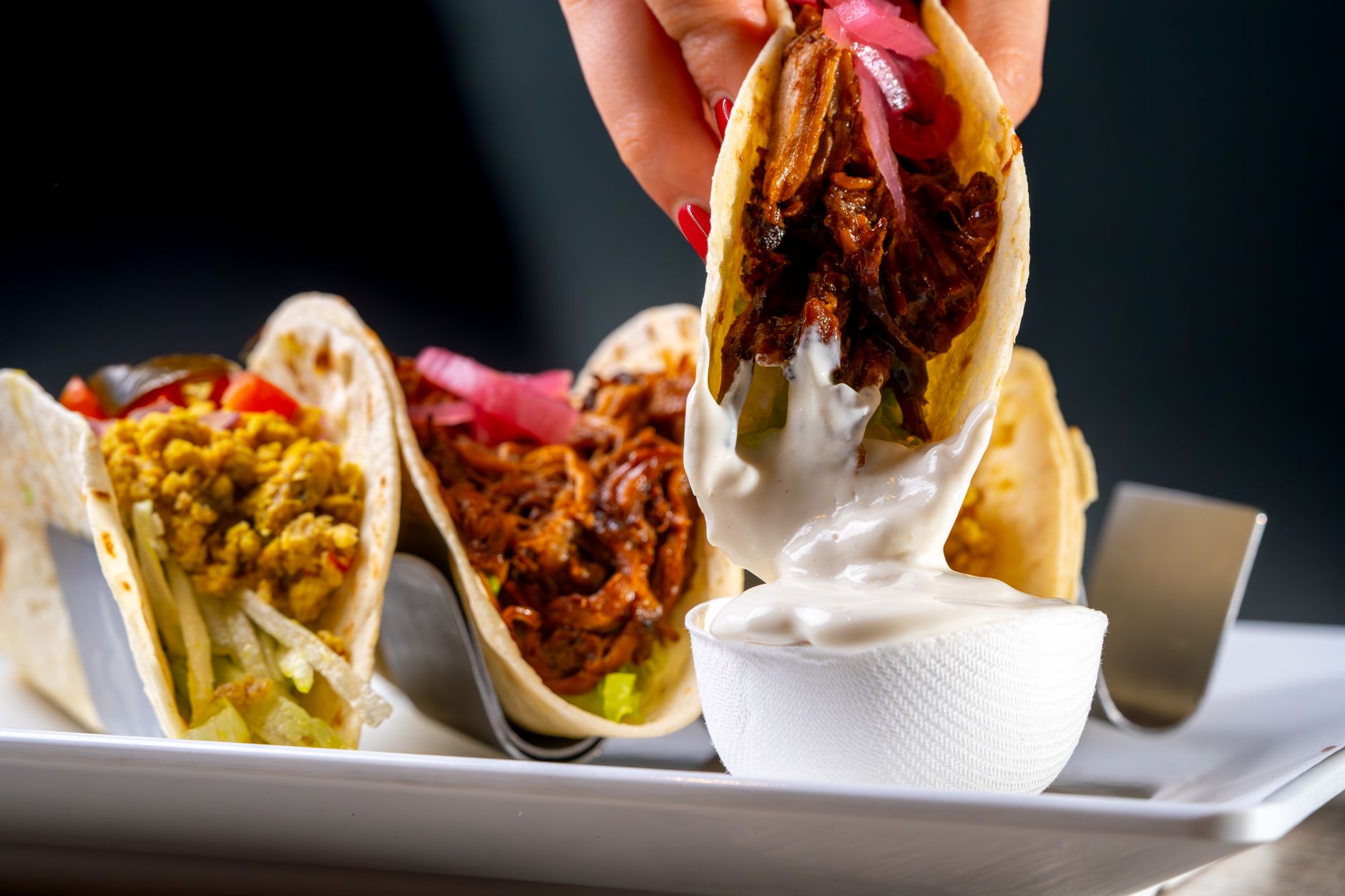
Tex-Mex is a vibrant and flavorful cuisine that stems from the fusion of Mexican and American culinary traditions. It features a variety of ingredients, bold flavors, and satisfying textures that create iconic dishes. Whether you’re new to Tex-Mex or a seasoned fan, understanding this cuisine can elevate your cooking and dining experiences.
In this article, we’ll explore the key ingredients that make up Tex-Mex cuisine, its distinctive flavors, and the best ways to serve Tex-Mex dishes. By the end, you’ll have a greater appreciation for this beloved culinary style and be ready to create some delicious Tex-Mex meals.
What Is Tex-Mex?
Tex-Mex is a style of cooking that combines traditional Mexican recipes with American influences, particularly those from Texas. While it draws from Mexican culinary roots, Tex-Mex includes unique ingredients and techniques that set it apart. Dishes like nachos, fajitas, and chili con carne are quintessential examples of Tex-Mex cuisine.
Key Ingredients in Tex-Mex
The backbone of Tex-Mex cooking is its diverse range of ingredients, which include staples from both Mexican and American kitchens. Here’s a breakdown of some key ingredients used in Tex-Mex dishes.
Corn and Flour Tortillas
- Corn Tortillas: Traditionally used in many Mexican dishes, corn tortillas are a must-have in Tex-Mex for tacos and enchiladas.
- Flour Tortillas: These are commonly used for burritos and quesadillas, providing a soft, chewy texture that complements hearty fillings.
Cheese
- Cheddar Cheese: Often used in Tex-Mex dishes, cheddar has a sharp flavor that enhances dishes like nachos and tacos.
- Monterey Jack: This cheese is creamy and mild, making it perfect for melting in quesadillas and enchiladas.
- Queso Blanco: A soft white cheese that is often cubed and added to various dishes, queso blanco adds a rich texture.
Beans
- Pinto Beans: Commonly served as a side dish or filler in tacos and burritos, pinto beans are a staple in Tex-Mex cooking.
- Black Beans: These add a slightly sweet flavor and are often used in salads, burritos, and nachos.
Meats
- Ground Beef: Frequently used in tacos, burritos, and chili, ground beef is a popular choice for Tex-Mex meals.
- Chicken: Grilled or shredded chicken is a versatile protein in many Tex-Mex dishes, including fajitas and enchiladas.
- Steak: Often used in grilled dishes, steak adds richness and flavor, particularly in fajitas.
Vegetables
- Onions: Both sweet and red onions are commonly sautéed or grilled to add depth to a variety of Tex-Mex dishes.
- Bell Peppers: These add sweetness and color and are often grilled alongside meats for fajitas.
- Tomatoes: Fresh tomatoes or tomato-based sauces are essential in salsas and as a base for sauces.
Seasonings
- Cumin: A common flavoring in Tex-Mex cuisine, cumin adds warmth and earthiness to dishes.
- Chili Powder: This blend of spices spices up many Tex-Mex dishes, providing a gentle heat that balances other flavors.
- Oregano: Both Mexican and regular oregano are used to season meats and sauces, contributing a distinct flavor.
Distinctive Flavors of Tex-Mex
The flavor profile of Tex-Mex cuisine is bold and comforting. It often combines spicy, tangy, and savory notes, using fresh ingredients to create vibrant dishes. Here are some key flavors that define Tex-Mex:
Spiciness
Tex-Mex can range from mildly spicy to fiery hot, depending on the type of chili or pepper used. The use of jalapeños, serranos, and chipotle peppers adds heat and depth to sauces, salsas, and meats.
Freshness
The incorporation of fresh ingredients like cilantro, avocados, and lime juice adds a bright, zesty component that balances out heavier elements in Tex-Mex dishes.
Cheesiness
Cheese is an integral part of Tex-Mex, contributing creaminess and richness to dishes. A generous topping of cheese, whether melted or sprinkled, is characteristic of the cuisine.
Umami
Meaty dishes, particularly those seasoned well and cooked properly, bring a robust umami flavor to the forefront, enhancing the overall taste experience.
How to Serve Tex-Mex Dishes
Serving Tex-Mex dishes can vary widely based on the meal occasion, but there are some general practices and ideas to consider:
Casual Dining
Tex-Mex is well-known as a community meal, often enjoyed with friends and family. Casual meals can include:
- Taco Bars: Set up a taco bar with various proteins, toppings, and salsas, allowing guests to build their own tacos.
- Family Style Platters: Serve large platters of fajitas, enchiladas, or nachos for sharing, fostering a communal dining experience.
Celebratory Occasions
For larger gatherings or parties, consider serving:
- Catered Tex-Mex: Many restaurants offer catering services for Tex-Mex dishes, including taco platters and build-your-own enchiladas.
- Buffet-Style Serving: Create a buffet with multiple Tex-Mex options, allowing guests to sample a variety of flavors.
Restaurants and Takeout
Many Tex-Mex restaurants provide extensive menus featuring traditional and modern takes on Tex-Mex dishes. Popular options include:
- Fajitas: Usually served sizzling hot with sides and toppings for diners to customize their plates.
- Chimi-Changas: Fried burritos that are crispy on the outside and stuffed with delicious fillings.
Accompaniments
Tex-Mex meals pair wonderfully with various sides and drinks:
- Rice and Beans: A classic combination that complements many Tex-Mex dishes.
- Guacamole and Salsa: These accompaniments are essential for enhancing flavors and providing freshness.
- Margaritas and Mexican Beers: Refreshing drink options that pair well with many Tex-Mex meals, highlighting the bold flavors of the cuisine.
Common Tex-Mex Dishes to Try
When diving into Tex-Mex cuisine, certain dishes are absolutely worth trying. Here’s a list of classic Tex-Mex offerings:
Tacos
One of the most recognizable Tex-Mex dishes, tacos can be filled with an array of ingredients, from seasoned meat to grilled vegetables. They can be topped with cheese, sour cream, salsa, and more.
Enchiladas
Typically made with rolled tortillas filled with meat, cheese, or beans, enchiladas are smothered in chili sauce and cheese, then baked until bubbly.
Fajitas
Grilled meats served alongside sautéed peppers and onions, fajitas are brought to the table sizzling and are often accompanied by tortillas, guacamole, and salsa.
Nachos
A popular appetizer, nachos consist of tortilla chips topped with melted cheese, jalapeños, guacamole, and other toppings. Perfect for sharing!
Chili con Carne
This hearty dish is a Texas staple that typically includes ground beef, beans, tomatoes, and a rich blend of spices, perfect for enjoying on a cool evening.
Practical Tips for Cooking Tex-Mex at Home
Cooking Tex-Mex at home can be a fun and rewarding experience. Here are some practical tips for making your dishes flavorful:
Using Fresh Ingredients
Whenever possible, opt for fresh ingredients—especially herbs, vegetables, and meat. Freshness enhances flavors and can elevate even simple Tex-Mex dishes.
Experiment with Spices
Customize the heat and flavor level of your Tex-Mex dishes by adjusting the spices. Don’t be afraid to experiment with different chili powders or fresh peppers to suit your palate.
Cooking Techniques
Grilling, braising, and sautéing are common techniques in Tex-Mex cooking. For example, grilling meats imparts a smoky flavor that complements the spices used in Tex-Mex dishes.
Make-Ahead Options
Many Tex-Mex recipes can be prepped in advance, making them convenient for busy weeknights. Consider preparing taco fillings, enchilada sauces, and sides ahead of time for quick assembly.
Conclusion
Tex-Mex cuisine offers a delightful blend of flavors and ingredients that can enrich any meal. By exploring the essential components of Tex-Mex, trying out classic dishes, and using helpful cooking tips, you can bring the vibrant and satisfying tastes of this culinary tradition into your home kitchen.
For more delicious ideas, check out our recipes for Mexican Hot Chocolate and Chicken Taco Seasoning.