
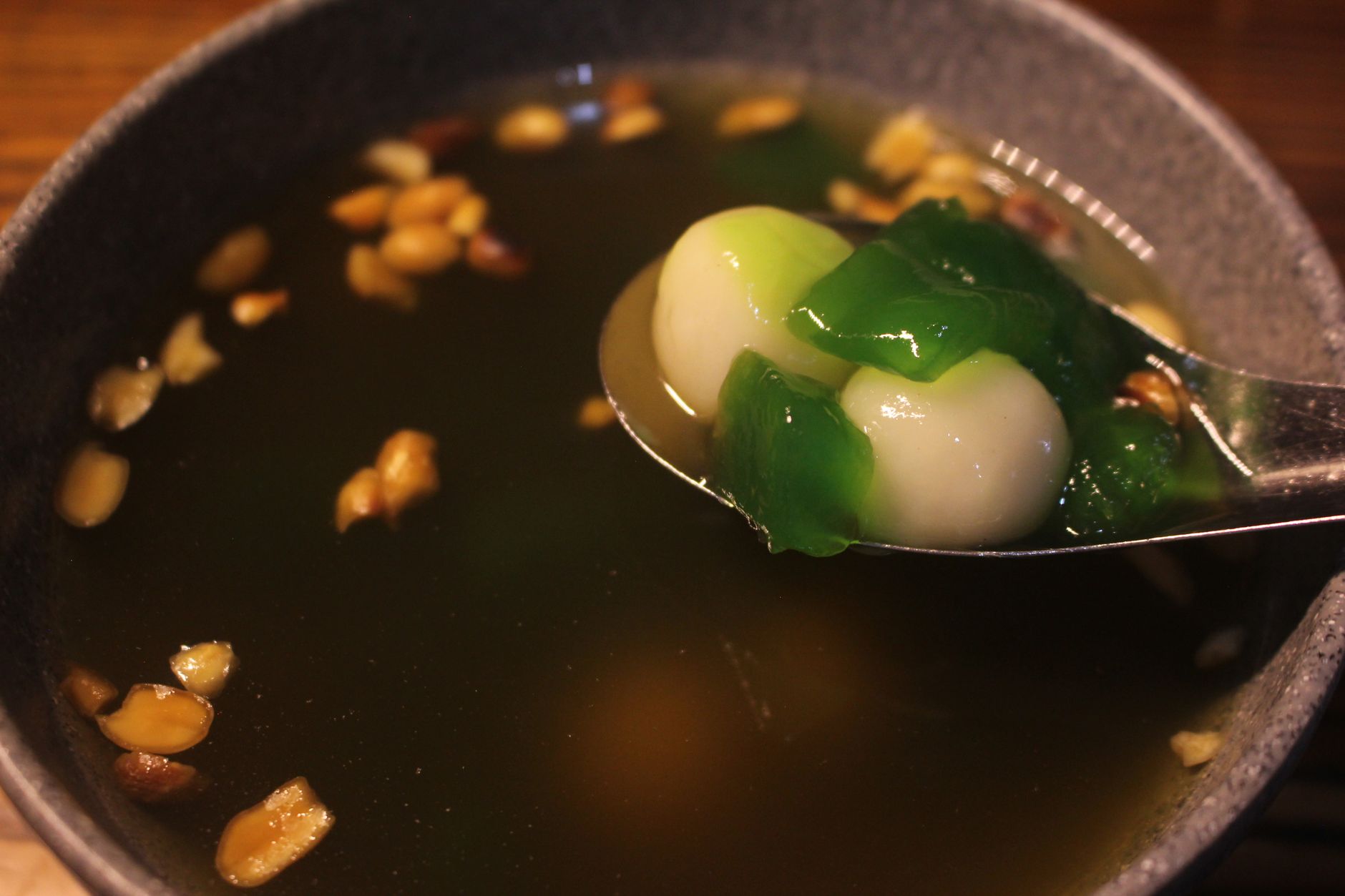
Tangyuan, a delightful Chinese dessert, is often enjoyed during special occasions, particularly the Lantern Festival and family reunions. These sweet, glutinous rice dumplings symbolize family unity and togetherness, making them a cherished part of Chinese culinary traditions.
With their smooth, chewy texture and the variety of delicious fillings, tangyuan offers a unique taste experience. In this guide, we will explore what tangyuan is, its main ingredients, flavors, and the various ways to serve this beloved dish.
What Is Tangyuan?
Tangyuan are glutinous rice dumplings filled with sweet or savory ingredients. They can be boiled or steamed, and are commonly served in a warm, sweet soup or broth. The word “tangyuan” translates to “soup ball,” referring to its preparation and serving style. These dumplings are particularly popular during festive seasons, but they can be enjoyed year-round.
Key Ingredients of Tangyuan
The main ingredients of tangyuan are relatively simple but are crucial for achieving the perfect flavor and texture. Below is a detailed breakdown of the primary ingredients:
- Glutinous Rice Flour: This fine flour is made from sticky rice and is the star ingredient that gives tangyuan its characteristic chewiness.
- Water: Used to form the dough when mixed with glutinous rice flour.
- Fillings: Common sweet fillings include red bean paste, sesame paste, peanut butter, and chocolate. Some variations can also be savory, using minced pork or vegetables.
- Sugar: Typically used in the soup or broth in which tangyuan is served, adding sweetness to the dish.
- Ginger: Often used in the sweet soup, ginger adds a warm, spicy note that complements the sweetness.
Flavor Profile of Tangyuan
Tangyuan boasts a unique flavor profile that can vary based on the fillings and the soup in which they are served. Here is what to expect:
- Chewy Texture: The dumplings have a soft yet chewy consistency that creates a satisfying mouthfeel.
- Sweetness: Sweet fillings like red bean or sesame paste provide a rich sweetness, balanced by sugary soup broth.
- Warm Spiciness: Ginger-infused syrup adds warmth and a slightly spicy flavor that complements the sweetness.
How to Serve Tangyuan
Tangyuan can be served in several different ways, commonly in sweet soups or as standalone desserts. Here are some popular serving methods:
Sweet Soup
- Prepare a ginger-infused syrup by boiling water with slices of fresh ginger and adding sugar to taste.
- Once the syrup is ready, boil the tangyuan until they float, indicating they are cooked.
- Serve the tangyuan in bowls, ladling the hot ginger syrup over the dumplings. Enjoy warm!
Chilled Dessert
In hotter climates, tangyuan can also be served chilled. Here’s how:
- Boil and cook the tangyuan, then cool them in cold water.
- Prepare a sweet syrup using coconut milk, sugar, and crushed ice.
- Place the cooled tangyuan in bowls, pour the coconut sweet syrup over, and serve immediately.
Savory Variation
Although tangyuan is traditionally sweet, there are savory variations made with fillings such as minced pork or vegetables.
- Mix cooked and seasoned meat or vegetables as a filling.
- Form the glutinous rice dough around the savory filling and cook as you would with sweet tangyuan.
- Serve in a clear broth or soup, garnished with green onions for added flavor.
Common Mistakes When Making Tangyuan
Making tangyuan may seem easy, but there are some common mistakes to watch out for:
- Incorrect Dough Consistency: If the dough is too dry, the tangyuan can crack. If too wet, it won’t hold its shape. Aim for a smooth and pliable dough.
- Overcooking Tangyuan: Overcooking can make them mushy. Remove them from boiling water as soon as they float.
- Poor Filling Distribution: If you don’t enclose the filling properly, it can leak out during cooking. Ensure a uniform thickness in the dough when wrapping the filling.
Practical Tips for Making the Best Tangyuan
- Use a Scale: Measure your ingredients accurately for consistent results.
- Experiment with Fillings: Don’t be afraid to try different fillings. Sweet tangyuan can have variations such as matcha or fruit flavors.
- Cook in Batches: If making a large batch, consider boiling them in smaller portions to ensure even cooking.
- Keep Them Warm: If you’re not serving immediately, keep them warm in a pot with shallow water to prevent sticking.
Storage and Reheating Tangyuan
If you’ve made tangyuan and want to store them for later consumption, proper storage is essential:
- Refrigeration: Cooked tangyuan can be stored in the refrigerator for up to three days. Ensure they are in an airtight container to prevent drying out.
- Freezing: Raw tangyuan can be frozen before cooking. Place them in a single layer on a baking sheet until firm, then transfer them to a freezer-safe bag or container. They can be stored for up to a month.
- Reheating: To reheat cooked tangyuan, place them in boiling water until heated through. For frozen raw tangyuan, do not thaw; simply add them directly to boiling water and cook until they float.
Conclusion
Tangyuan is a delightful dessert that celebrates the joy of family and togetherness. Its deliciously chewy texture and versatility of flavors make it a favorite in many households. Whether enjoyed sweet or savory, warm or chilled, tangyuan is sure to please those who indulge in this comforting dish.
Explore related recipes and food guides, including delicious chia pudding or mango sago for additional dessert ideas.