
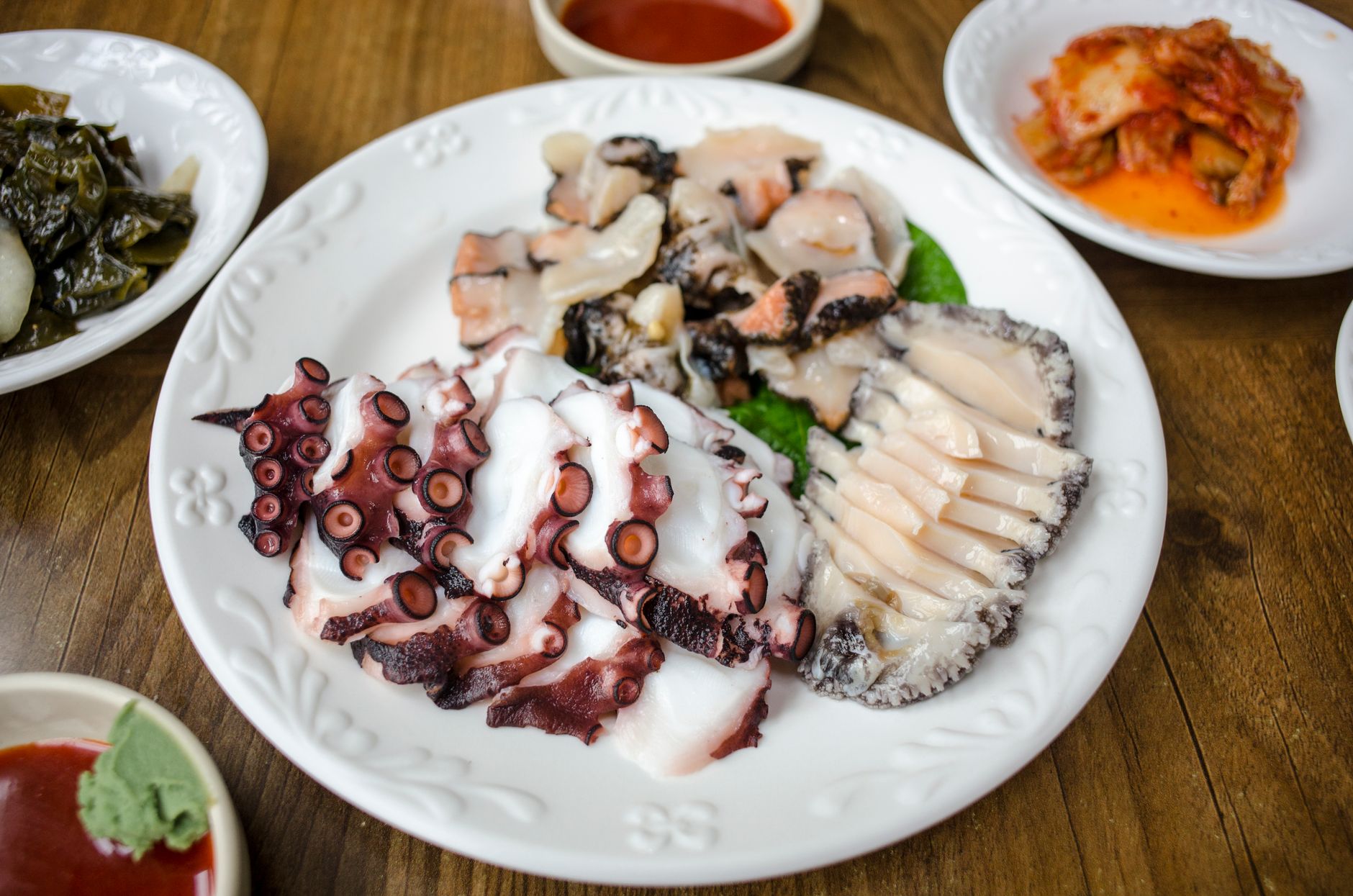
Tamilok, often referred to as the “wood worm,” is a unique delicacy primarily found in the Philippines. Unlike traditional worms, it is actually the larvae of a certain wood-boring beetle that infests mangrove trees. These larvae are known for their delicate, briny flavor and creamy texture, making them a sought-after ingredient in various Filipino dishes.
With its distinct taste and texture, tamilok offers culinary versatility and is often enjoyed in various preparations. In this article, we will explore what tamilok is, the flavor profile, how to serve it, and provide insights into its ingredients and culinary uses.
What Is Tamilok?
Tamilok is a type of larvae commonly found inside the decaying wood of mangrove trees. They thrive in coastal areas and are harvested by locals who search for infested wood. The harvesting process involves extracting the larvae from the wood and washing them thoroughly to prepare them for consumption. This delicacy is often enjoyed raw or lightly cooked.
Flavor and Texture Profile
The flavor of tamilok can be described as briny, faintly sweet, and reminiscent of the ocean. Its texture is creamy and soft, providing a unique mouthfeel that contrasts sharply with the firmer textures of other seafood. When eaten raw, tamilok has a refreshing and clean flavor that is often compared to that of oysters, allowing it to be used in similar culinary applications.
Why Consider Tamilok?
Tamilok presents an opportunity to experience traditional Filipino cuisine at its finest. With its unique taste profile, it is often used in local dishes and festivities, making it a cultural delicacy worthy of exploration for adventurous eaters and food enthusiasts alike.
Ingredients Used with Tamilok
When preparing dishes that feature tamilok, several accompanying ingredients enhance the overall flavor and presentation. Here is a breakdown of essential ingredients commonly paired with tamilok:
- Calamansi Juice: A small citrus native to the Philippines, calamansi juice adds a zesty brightness to the rich flavors of tamilok.
- Vinegar: Traditionally used for dipping sauces, vinegar can add an acidic counterpoint to the creamy texture of tamilok.
- Soy Sauce: For a savory note, soy sauce can complement the earthy flavors of the larvae.
- Chilies: Fresh or pickled chilies can provide a spicy kick, enhancing the overall flavor profile.
- Garlic: Minced or crushed garlic adds aromatic depth and complexity to the dish.
- Ginger: Fresh ginger can add a hint of warmth and pungency when paired with tamilok.
- Green Onions: Chopped green onions can be used as a garnish to add freshness and a slight crunch.
How to Serve Tamilok
Tamilok can be served in various ways, keeping in mind its unique flavor and texture. Here are some popular serving suggestions:
Raw
Serving tamilok raw is perhaps the most traditional method, allowing its natural flavor to shine through. To prepare:
- Rinse the tamilok larvae under cold water to remove any impurities.
- Serve the raw tamilok on a platter with a side of calamansi juice, vinegar, or soy sauce for dipping.
- Garnish with fresh green onions and chilies for an added burst of flavor.
Grilled
Grilling tamilok can add a smoky flavor while enhancing its natural taste. Follow these steps to grill:
- Preheat the grill to medium heat.
- Marinate the cleaned tamilok with a mixture of calamansi juice, minced garlic, and pepper for about 15-30 minutes.
- Skewering the tamilok can make handling easier when grilling.
- Grill for approximately 2-3 minutes on each side until heated through, ensuring not to overcook.
- Serve immediately with a dipping sauce of your choice.
In Salads
Tamilok can be added to salads for a refreshing twist. Here’s how to prepare a simple salad:
- Prepare a salad base of mixed greens and sliced cucumbers.
- Add raw tamilok on top of the greens.
- Drizzle with a light dressing made from calamansi juice, olive oil, and salt.
- Fold in chopped cilantro and green onions for additional flavor.
Tamilok Ceviche
Ceviche is a popular dish that typically features raw seafood marinated in citrus. Using tamilok in ceviche can provide a unique twist:
- Combine fresh tamilok with a generous amount of calamansi or lime juice in a bowl.
- Add diced tomatoes, finely chopped onions, and minced chilies.
- Season with salt and pepper to taste.
- Let it sit for 15-30 minutes to allow the flavors to meld.
- Serve chilled as an appetizer or light meal.
Practical Tips for Handling Tamilok
When working with tamilok, there are several important tips to ensure the best culinary experience:
- Freshness: Always choose fresh tamilok. Look for larvae that are plump and moist without any off-putting odors.
- Cleanliness: Rinse the larvae thoroughly to remove any lingering wood residue, soil, or debris.
- Preparation: If consuming raw, ensure that all handling and preparation surfaces are clean to avoid contamination.
- Knowledge: Familiarize yourself with the best practices for sourcing and consuming tamilok, as its unique nature requires understanding its origin and freshness.
Common Mistakes to Avoid When Preparing Tamilok
While preparing tamilok might seem straightforward, several common mistakes can impact the final dish:
- Overcooking: Whether grilling or cooking, avoid overcooking the tamilok, as it can lead to a rubbery texture. Cook just until heated through.
- Insufficient Cleaning: Failing to properly rinse the tamilok can result in off-flavors or unpleasant textures in the dish. Always clean thoroughly.
- Neglecting Pairing: Tamilok pairs beautifully with acidic or spicy flavors; neglecting these can lead to a bland dish. Ensure to include complementary ingredients.
Storage and Reheating of Tamilok
When it comes to storage, freshness is key for tamilok. Here are important points regarding storage and reheating:
- Raw tamilok: If not consumed immediately, store raw tamilok in a covered container with ice in the refrigerator. It is best enjoyed fresh and ideally within a day of purchase.
- Cooked tamilok: If you have leftovers, ensure they are stored in an airtight container in the refrigerator. Consume within 1-2 days for optimal flavor.
- Reheating: When reheating, ensure the dish reaches the same level of warmth as when initially cooked, avoiding overcooking.
Exploring Culinary Uses Beyond the Table
Tamilok isn’t just a culinary delight; it is also used in unique and traditional Filipino practices:
- Festivals and Celebrations: Tamilok often takes center stage during local festivals, celebrated for its unique flavor and cultural significance.
- Personal Taste Tests: Some adventurous chefs experiment by including tamilok in fusion cuisines, introducing it to new audiences and combinations.
- Traditional Dishes: Explore traditional Filipino dishes that incorporate tamilok for a greater appreciation of its versatility.
Final Thoughts on Tamilok
Tamilok offers a remarkable opportunity to explore an authentic Filipino delicacy that combines unique texture and flavor. Whether enjoyed raw or cooked, it provides an incredible experience for anyone looking to dive into culinary adventures. Familiarity with the preparation and serving suggestions can help maximize your experience with this extraordinary ingredient.
Now that you have an understanding of tamilok and how to serve it, consider experimenting with this ingredient in your next culinary endeavors. You may just discover a new favorite delicacy that brings the taste of the Philippines right to your table.
For further culinary exploration, consider looking into unique regional ingredients, techniques for local dishes, or guides on exploring alternative seafood options.