
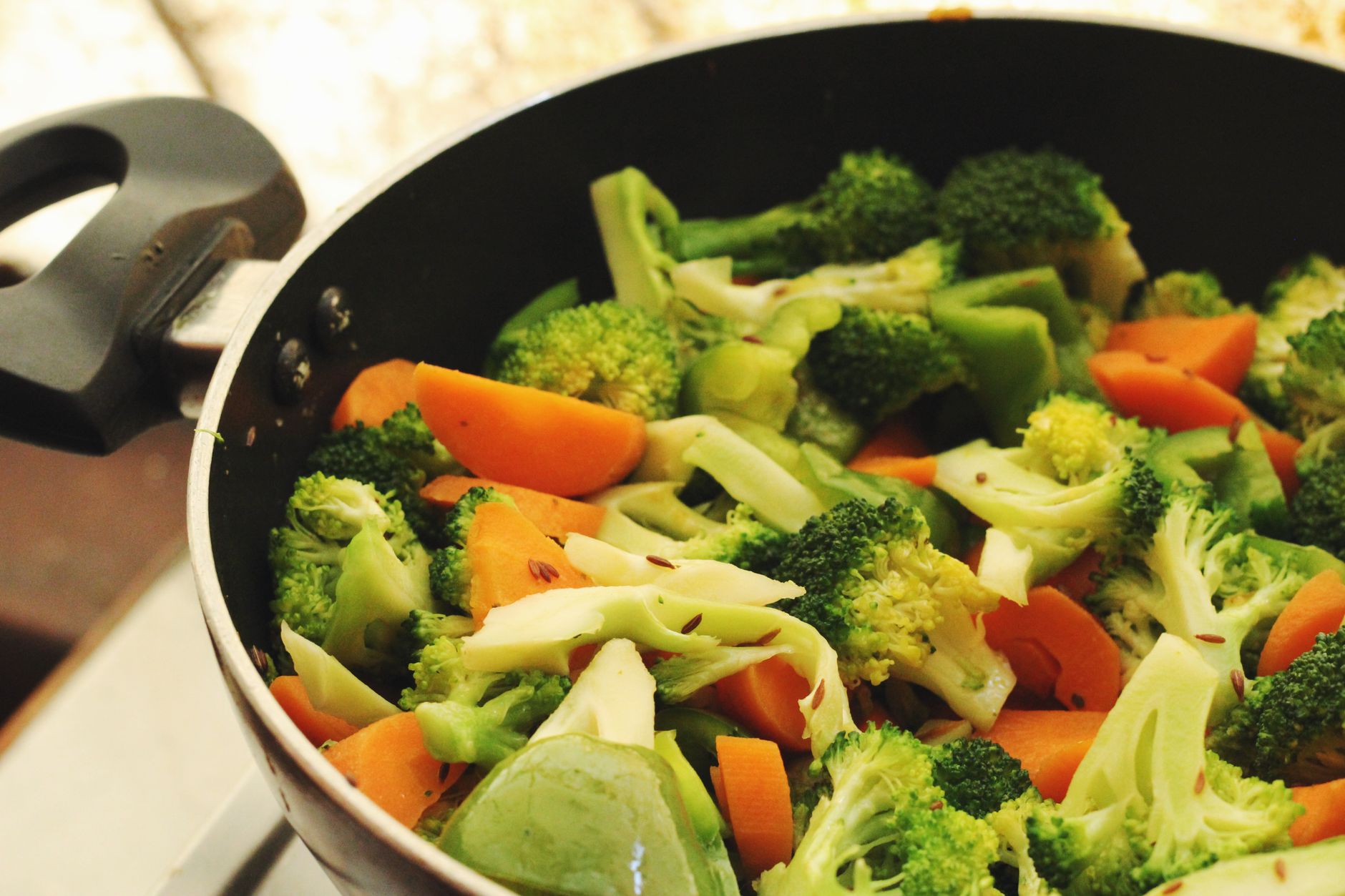
Stir fry is a quick and versatile cooking technique originating from East Asian cuisine, celebrated for its vibrant flavors and crisp textures. It’s characterized by cooking ingredients over high heat in a small amount of oil while constantly stirring. This method not only enhances the flavors but also retains the nutritional value of the vegetables and proteins.
This article delves into the essentials of stir fry, covering its preparation and ingredients, cooking techniques, and serving tips. Whether you’re a beginner or an experienced cook looking to refine your skills, understanding stir fry will allow you to create delicious and healthy meals in no time.
What Is Stir Fry?
Stir fry is a cooking method that involves quickly frying small pieces of food in a hot pan or wok with a minimal amount of oil while constantly stirring. This technique is known for producing a variety of dishes, often featuring a mix of proteins, vegetables, and flavorful sauces. The high heat ensures that the food is cooked quickly, resulting in tender, juicy proteins and crispy vegetables.
History and Origin of Stir Fry
Stir frying has roots in Chinese cooking, dating back to the Han Dynasty (206 BC–220 AD). Over time, the technique spread to various Asian cuisines and has been adapted in different cultures around the world. The method emphasizes speed and efficiency, making it ideal for busy lifestyles. Stir-fried dishes have become popular globally, demonstrating their versatility and appeal.
Essential Ingredients for Stir Fry
While stir fry can be made with virtually any ingredients, there are key components that form the foundation of a great dish.
- Proteins: Common protein choices include chicken, beef, pork, shrimp, tofu, and tempeh. These ingredients provide essential nutrients and create a satisfying meal.
- Vegetables: Use a variety of vegetables such as bell peppers, broccoli, snap peas, carrots, and bok choy. Fresh, crisp vegetables add color, texture, and flavor.
- Aromatics: Ingredients like garlic, ginger, and onions are essential for flavoring. They should be added early in the cooking process to infuse the dish with their aromatic qualities.
- Sauces: Soy sauce, oyster sauce, and hoisin sauce are popular choices for adding depth and complexity to stir fry dishes.
- Oils: High smoke point oils, such as canola, peanut, or sesame oil, are ideal for stir frying, as they can withstand the high temperatures without burning.
Preparing Ingredients for Stir Fry
Preparation is key to a successful stir fry. Here’s how to get your ingredients ready:
- Cutting Proteins: Slice proteins into thin, uniform pieces for even cooking. A bias cut can add a nice presentation and increase surface area.
- Chopping Vegetables: Cut vegetables into bite-sized pieces, aiming for similar sizes to ensure even cooking. Harder vegetables like carrots and bell peppers should be cut smaller than softer vegetables like zucchini.
- Mise en Place: Organize your ingredients before starting to cook. This means having everything chopped, measured, and within easy reach to facilitate the cooking process.
Cooking Techniques for Stir Fry
The stir frying technique relies on high heat and fast cooking. Here’s a detailed breakdown:
Choosing the Right Equipment
The equipment plays a critical role in stir frying success:
- Wok: A wok is the ideal tool for stir frying, providing a large surface area and high sides for tossing ingredients.
- Sauté Pan: If a wok is unavailable, a wide sauté pan can be used; however, it may not achieve the same level of heat distribution.
- Spatula or Ladle: A wooden or silicone spatula is crucial for stirring without scratching your cooking surface.
Stir Fry Cooking Steps
Here’s a step-by-step guide to stir frying:
- Heat the Wok: Place your wok over high heat and allow it to become hot before adding oil. A well-heated wok helps to create a non-stick surface.
- Add Oil: Pour in a small amount of oil (about 1-2 tablespoons) and swirl it around to coat the wok evenly.
- Add Aromatics: Quickly add aromatics like minced garlic and ginger. Stir them for about 15-30 seconds until fragrant, taking care not to burn.
- Add Proteins: Add your sliced proteins in a single layer and allow them to sear without stirring for a few moments. This enhances flavor and texture. Stir occasionally until cooked through.
- Add Vegetables: Once the proteins are cooked, add the vegetables. Start with the heartier varieties like carrots and bell peppers, followed by softer ones like bok choy.
- Add Sauce: Pour your prepared sauce over the contents and stir well to combine, ensuring everything is evenly coated. Cook for an additional 2-3 minutes until everything is heated through.
- Serve Immediately: Transfer your stir fry to a serving dish and enjoy it hot over rice or noodles.
Common Mistakes in Stir Fry
Even with the best intentions, it’s easy to run into a few pitfalls. Here are some common mistakes:
- Overcrowding the Pan: Cooking too many ingredients at once can lower the pan’s temperature, leading to steaming instead of frying.
- Not Prepping Ingredients: Failure to prepare all ingredients beforehand can result in unevenly cooked food as you scramble to chop Midway through cooking.
- Using Low Heat: Cooking on low heat will not produce the characteristic sear and texture of a good stir fry.
- Neglecting Timing: Adding ingredients in the wrong order can lead to overcooked or undercooked components. Always remember to add hard vegetables first.
Variations of Stir Fry
Stir fry is highly adaptable. Here are some variations you can explore:
Regional Variations
- Chinese Stir Fry: Often centered around soy sauce or oyster sauce, featuring a variety of vegetables and meats.
- Thai Stir Fry: Incorporates unique flavors like lemongrass, fish sauce, and Thai basil for a distinct taste.
- Japanese Stir Fry: Known as “yaki,” this style often involves vegetables and proteins cooked with soy sauce and mirin.
Vegetarian and Vegan Options
For those seeking plant-based choices, try substituting meat with tofu or tempeh and use a range of colorful vegetables. Adding nuts can provide a satisfying crunch and protein.
Serving Suggestions for Stir Fry
Stir fry can be served in a variety of ways:
- With Rice: Jasmin or basmati rice complements most stir fry dishes. Serve it as a bed for your stir fry.
- Noodles: Pair stir fry with stir-fried noodles or rice noodles for a heartier meal.
- As a Bowl Meal: Create a signature stir fry bowl by layering grains, proteins, veggies, and a drizzle of sauce on top.
Make-Ahead and Meal Prep Tips
Stir fry can be an excellent option for meal prep. Here are some ideas:
- Pre-Chop Ingredients: Chop vegetables and proteins ahead of time and store them in airtight containers in the refrigerator.
- Freeze Ingredients: Some vegetables, such as bell peppers or broccoli, can be prepped and frozen for quick stir fries.
- Batch Cook Sauces: Make large quantities of your favorite sauce and store in the fridge for quick use throughout the week.
Storage and Reheating of Stir Fry
Stir fries can be stored in the refrigerator, but certain practices ensure they maintain their quality:
- Storage: Allow stir fry to cool fully before transferring to an airtight container. Consume within 3-4 days for best quality.
- Reheating: Reheat on medium heat in a skillet or microwave. Stir frequently to avoid uneven heating.
Common Ingredient Substitutions for Stir Fry
If you’re missing certain ingredients, don’t worry. Here are some reliable substitutions:
| Ingredient | Substitution |
|---|---|
| Soy Sauce | Tamari (gluten-free), coconut aminos |
| Oyster Sauce | Mushroom sauce (vegetarian), hoisin sauce |
| Bell Peppers | Carrots or zucchini |
| Tofu | Tempeh or seitan |
Keep in mind that these substitutions may slightly alter the flavor or texture of your stir fry but can still yield delicious results.
Conclusion
Stir fry is a fun and versatile cooking method that allows for creativity in the kitchen. Whether you’re preparing a quick weeknight dinner or experimenting with new flavors, mastering stir fry techniques will elevate your cooking skills. Start with a basic recipe, get comfortable with the ingredients, and soon, you’ll be creating your own unique stir fry dishes.
For more fantastic recipes, check out our Beef Lo Mein Recipe or learn how to make General Tso Sauce for that extra kick in your dishes.