
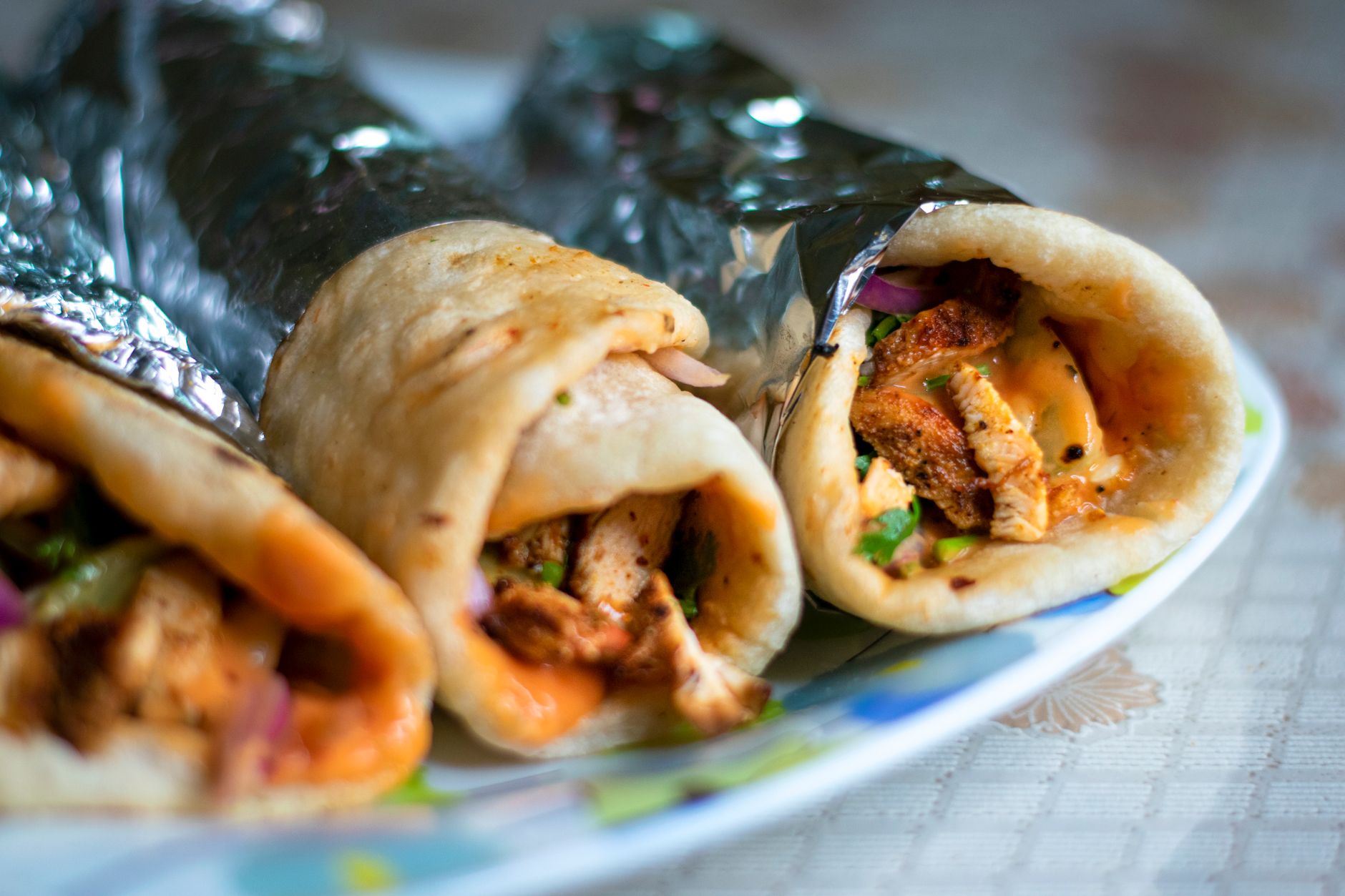
Shawarma is a popular Middle Eastern street food that has gained a global following. It consists of thinly sliced meats that are marinated, stacked, and cooked on a vertical spit. The term “shawarma” can evoke mouthwatering images of crispy, savory meat served in pita bread with various toppings and sauces.
This article delves into the ingredients that create this delectable dish, its unique flavor profile, and its culinary uses. Understanding the intricacies of shawarma will not only enhance your appreciation for this dish but also inspire you to recreate it in your own kitchen.
What Is Shawarma Food?
Shawarma is a traditional Middle Eastern dish made from marinated meat that is cooked on a vertical spit. The meat is sliced thinly and served in pita bread or on a plate with various accompaniments. Shawarma can be made with different types of meat, including lamb, chicken, beef, or turkey, and is often accompanied by fresh vegetables and flavorful sauces.
Ingredients Used in Shawarma
The ingredients for shawarma can vary greatly depending on the type of meat used and regional preferences. Here’s a breakdown of the essential components:
Meats
- Chicken: Often marinated with spices like cumin and paprika, and grilled to perfection.
- Lamb: A classic option, known for its rich flavor and tenderness.
- Beef: Added for its robust taste, usually seasoned with herbs and spices.
- Turkey: A leaner alternative that is still flavorful.
Marinades and Spices
- Garlic: Fresh or powdered, it provides an aromatic base.
- Cumin: Adds a warm, earthy flavor.
- Paprika: Offers a subtle sweetness and vibrant color.
- Turmeric: Imparts a golden hue and mild taste.
- Coriander: Adds a refreshing and citrusy note.
- Cinnamon: Gives a hint of warmth and complexity.
- Cardamom: Enhances the aromatic profile of the shawarma.
Toppings
- Tahini sauce: A creamy sesame sauce that complements the meat perfectly.
- Garlic sauce: A staple condiment that brings extra flavor and richness.
- Pickles: Adds a tangy crunch to the dish.
- Vegetables: Fresh lettuce, tomatoes, cucumbers, and onions for added texture and flavor.
The Taste Profile of Shawarma
Shawarma is known for its complex flavor profile, which combines a spectrum of spices with the natural taste of the meat. The fusion of the marinated flavors creates a juicy, savory experience that is both satisfying and aromatic.
Flavor Notes
The taste of shawarma can be broken down into several notes:
- Savory: The marinated meat provides a deep umami flavor.
- Spicy: The heat can vary, with some regions opting for spicier blends.
- Fresh: The addition of vegetables and herbs provides a refreshing counterbalance.
- Nutty: The tahini sauce adds richness and nuttiness to the dish.
Texture
Shawarma provides an exciting textural experience:
- Crispy: The outer layer of meat is often slightly crispy from the cooking method.
- Tender: Inside, the meat remains juicy and tender.
- Crunchy: The fresh veggies add a satisfying crunch either on top or inside the wrap.
- Creamy: The sauces add a creamy element that balances the textures.
Culinary Uses for Shawarma
Shawarma is incredibly versatile. Here are some popular ways to enjoy this delicious dish:
Shawarma Sandwiches
One of the most common ways to serve shawarma is in a pita or wrap. The thin slices of meat, along with fresh vegetables and sauces, make for a filling and portable meal ideal for lunches or casual dinners.
Shawarma Plates
Shawarma can also be served as a plated dish. The meat can be accompanied by sides like rice, tabbouleh, or grilled veggies. This presentation is perfect for a more formal dining experience.
Shawarma Bowls
A newer and popular trend is to serve shawarma in bowls, with various components layered for a delicious meal that is both healthy and filling. This option is great for those looking to maintain dietary preferences while enjoying shawarma.
Shawarma Tacos
In a creative twist, shawarma can also be used as a filling for tacos. The unique blend of Mediterranean flavors pairs surprisingly well with traditional taco ingredients.
How to Make Shawarma at Home
If you’re feeling adventurous, making shawarma at home can be rewarding. Here’s a simple guide to prepare your own shawarma.
Equipment You Will Need
- A vertical rotisserie, or alternatively, a grill or oven.
- A sharp knife for slicing the meat.
- A bowl for marinating.
- A cutting board.
- Pita bread or plates for serving.
Ingredients
- 2 pounds of meat (chicken, beef, or lamb)
- 4 cloves of garlic, minced
- 2 tablespoons of cumin
- 2 tablespoons of paprika
- 1 tablespoon of turmeric
- 1 tablespoon of coriander
- 1 tablespoon of cinnamon
- Salt and pepper to taste
- 1/4 cup of olive oil
- Juice of 1 lemon
Instructions
- Begin by slicing the meat into thin strips to allow for optimal marination.
- In a bowl, mix the minced garlic, cumin, paprika, turmeric, coriander, cinnamon, salt, pepper, olive oil, and lemon juice to create the marinade.
- Add the sliced meat to the marinade, ensuring each piece is well-coated, and let it marinate for at least 2 hours, preferably overnight.
- If using a rotisserie, layer the marinated meat onto the spit and cook until the outer layer is crispy and the internal temperature reaches a safe level (165°F for chicken and 145°F for beef/lamb).
- If using an oven, place the marinated meat on a baking sheet and cook at 400°F for about 20-25 minutes or until fully cooked.
- Once cooked, let the meat rest for a few minutes before slicing it into thin pieces.
- Serve your shawarma in pita bread with your choice of toppings and sauces.
Practical Tips for Making Shawarma
- Marination Time: The longer you marinate the meat, the more flavorful it will become. Overnight is optimal.
- Cooking Method: While a vertical rotisserie yields the most authentic result, a grill or oven will also work well.
- Serving Suggestions: Popular accompaniments are pickles, fresh vegetables, and various dipping sauces.
Common Mistakes to Avoid
- Overcooking the meat can lead to dryness; use a meat thermometer for accuracy.
- Under-seasoning can result in bland flavors; don’t be shy with herbs and spices.
- Not letting the meat rest after cooking can lead to moisture loss; allow it to rest for a few minutes before cutting.
Storage and Reheating Shawarma
If you find yourself with leftover shawarma, proper storage and reheating will help maintain its flavor and texture.
Storage
- Store leftover shawarma in an airtight container in the refrigerator for up to three days.
- For longer storage, you can freeze it in a sealed container or freezer bag for up to three months.
Reheating
- For refrigerated shawarma, reheat in an oven at 350°F for about 10-15 minutes or until warmed through.
- If frozen, thaw it overnight in the refrigerator before reheating, following the same oven method.
Variations of Shawarma
Shawarma’s adaptability allows for various regional variations depending on locality and culture.
Chicken Shawarma
Marinated in yogurt and spices, chicken shawarma is tender and juicy, making it a favorite for many.
Beef Shawarma
Known for its hearty flavor, beef shawarma features additional spices like allspice, providing a unique twist.
Vegetarian Shawarma
For a plant-based option, substitute meat with grilled vegetables or mushrooms, offering a delicious twist on traditional shawarma.
Where to Find Shawarma
Shawarma can be found in various settings, from popular food chains to authentic street vendors. Many restaurants specialize in Middle Eastern cuisine, offering a diverse menu that includes shawarma. To locate the best shawarma in your area, consider checking online reviews or asking locals for recommendations.
Why You Should Try Making Shawarma at Home
Making shawarma at home not only allows for customization in flavors and toppings but also provides a great culinary experience. It’s a dish that can impress guests and satisfy your cravings. Plus, it’s an opportunity to explore Mediterranean flavors, whether you’re an avid home cook or a culinary novice.
With its rich history and comforting taste, shawarma remains a beloved dish across cultures. Engaging with this flavorful dish is just a culinary adventure away. Try making it today, and enjoy the delightful flavors and textures it offers!
To learn more about unique recipes, consider exploring our Chicken Al Pastor recipe or whipping up a Halal White Sauce to accompany your dishes. Each adds a touch of excitement to your culinary endeavors.