
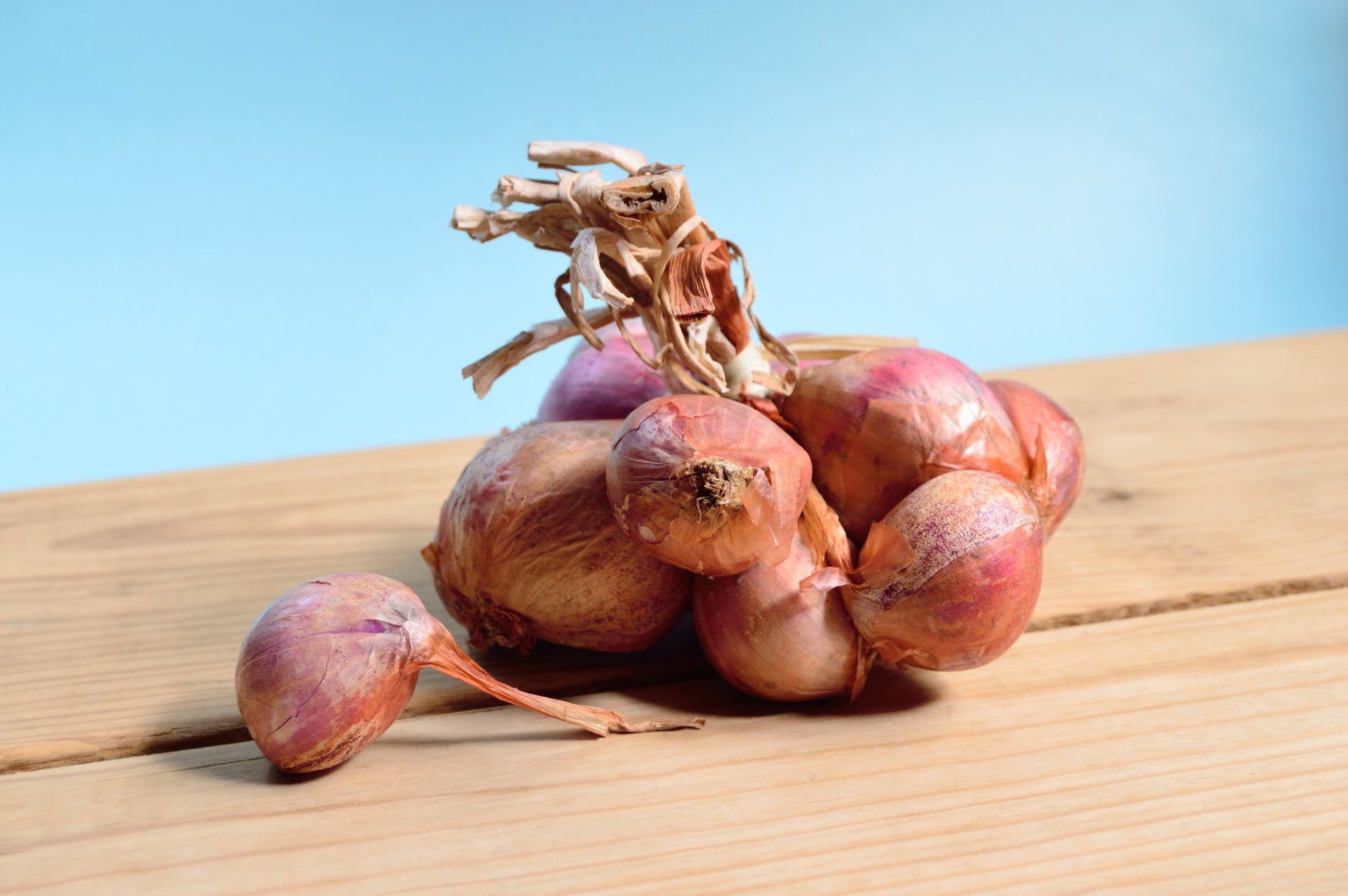
Shallots are small, bulbous vegetables belonging to the allium family, which includes onions and garlic. They are known for their delicate flavor, often described as a milder and sweeter version of onions, with a hint of garlic. In culinary applications, shallots offer versatility, enhancing dishes without overpowering them.
In this article, we’ll explore the characteristics, uses, and preparation of shallots, alongside practical insights into selecting, storing, and substituting them in your cooking. Whether you’re a seasoned chef or a novice home cook, understanding shallots can elevate your culinary skills and enhance your flavors.
What Is Shallot?
Shallots are a type of onion that grow in clusters, resembling small bulbs. They can vary in color from grayish-brown to reddish-purple and have a papery skin similar to that of onions. What sets shallots apart is their complex flavor profile, often preferred for sauces, dressings, and fine dishes where a more subtle onion flavor is desired.
Culinary Characteristics of Shallots
The flavor of shallots is nuanced and multifaceted. When raw, they provide a mild yet slightly tangy taste that can brighten a dish. When cooked, shallots become sweet and caramelized, adding depth and sweetness to soups, stews, and sauces. Their tender texture also makes them suitable for raw applications in salads and garnishes.
How to Select and Store Shallots
Choosing quality shallots is essential for achieving the best flavor in your dishes. Here are some tips for selection and storage:
Selecting Shallots
- Appearance: Look for shallots that are firm and free from blemishes, soft spots, or sprouting. The skin should be dry and papery.
- Size: Choose shallots that are medium in size; smaller shallots tend to be more flavorful, while larger ones can be more watery.
- Smell: Fresh shallots should have a pleasant, mild aroma. If they smell off or sour, they may be past their prime.
Storing Shallots
- In a Cool, Dark Place: Store shallots in a mesh bag or basket to ensure air circulation. Keep them in a cool, dry place away from sunlight and moisture.
- Avoid Refrigeration: Unlike onions, shallots do not store well in the fridge. Refrigeration can lead to a soft texture and diminished flavor.
- Use Within a Few Weeks: Fresh shallots can last several weeks if stored properly, but for optimal taste, use them within a few weeks of purchase.
How to Prepare Shallots
Preparing shallots for cooking is straightforward. Here’s how to do it:
- Peeling: Remove the outer papery skin by slicing the end off the shallot and peeling it away just like you would with garlic or onions.
- Chopping: Slice the shallot in half lengthwise, then lay the cut side down. Chop into thin slices or dice into small pieces, depending on your recipe requirements.
- Using Raw: Shallots can be finely minced for salads, dressings, or garnishes for an extra layer of flavor.
Cooking with Shallots
Shallots are incredibly versatile in the kitchen, complementing various dishes across cuisines. Here are common methods to incorporate shallots into your cooking:
Sautéing Shallots
Sautéing shallots is one of the best ways to enhance their natural sweetness.
- Heat a tablespoon of oil or butter in a pan over medium heat.
- Add chopped shallots and stir occasionally, cooking until they become translucent and start to caramelize (about 4-6 minutes).
- Use sautéed shallots as a base for sauces, soups, or as a finishing touch to a more complex dish.
Roasting Shallots
Roasting shallots amplifies their sweetness and yields a tender texture.
- Preheat your oven to 400°F (200°C).
- Cut shallots in half lengthwise, toss them in olive oil, salt, and pepper, then place them cut side down on a baking sheet lined with parchment paper.
- Roast in the preheated oven for about 30-35 minutes until they are golden brown and soft.
Incorporating Shallots into Sauces and Dressings
Finely minced shallots are ideal for sauces and dressings, offering a pleasant crunch and nuanced flavor. Here’s how to make a simple vinaigrette:
- In a bowl, whisk together 3 tablespoons of vinegar (red wine or balsamic) and 1 tablespoon of Dijon mustard.
- Add 2 tablespoons of finely minced shallots and whisk in 6 tablespoons of olive oil to emulsify.
- Season with salt and pepper to taste, and enjoy over salads or grilled vegetables.
Shallot Substitutions
If you’re in need of a shallot but don’t have any on hand, several ingredients can serve as effective substitutes:
- Onion: Yellow or red onions can be used in a pinch, though they will provide a stronger, more pungent flavor. Use a smaller amount, as they are more potent.
- Garlic: If a recipe calls for shallots for a hint of garlic flavor, finely minced garlic can provide a similar kick. Use less than the amount of shallots called for.
- Chives or Green Onions: Fresh chives or green onions can mimic the mild onion flavor of shallots, making them a good fresh alternative in salads and garnishes.
Common Mistakes When Cooking with Shallots
A few pitfalls can occur when using shallots, but with awareness, they can be easily avoided:
- Overcooking: Shallots can become overly sweet and mushy if cooked at too high of a heat for too long. Always sauté over medium heat and keep a close watch.
- Incorrect Substitutions: Not all onions or garlic varieties will yield the same flavor. Ensure you taste and adjust accordingly if using substitutions.
- Storing Incorrectly: Avoid refrigerating shallots as this compromises their texture and flavor. Stick to a cool, dry, well-ventilated spot.
Recipes Featuring Shallots
To inspire you to incorporate shallots into your meals, here are some popular recipes that highlight their versatility:
Shallot and Herb Vinaigrette
This vinaigrette is a fresh and fragrant dressing perfect for salads or grilled vegetables.
- 2 tablespoons finely minced shallots
- 1/4 cup red wine vinegar
- 1/2 cup olive oil
- 1 tablespoon Dijon mustard
- Salt and pepper to taste
- In a bowl, whisk together the vinegar, mustard, and shallots.
- Slowly add the olive oil while whisking continually until emulsified.
- Season with salt and pepper to taste and serve.
Chicken with Creamy Shallot Sauce
This luscious dish combines seared chicken with a rich shallot cream sauce.
- 4 chicken breasts
- 2 tablespoons olive oil
- 1/2 cup heavy cream
- 1/4 cup finely diced shallots
- Salt and pepper to taste
- Season chicken breasts with salt and pepper. Heat olive oil in a skillet over medium heat and sear the chicken until golden brown (about 6-7 minutes each side).
- Remove chicken and set aside. In the same skillet, add shallots and sauté until translucent.
- Add the heavy cream and return the chicken to the skillet. Simmer for another 5-7 minutes until the chicken is tender and cooked through.
Health Benefits of Shallots
While shallots are primarily appreciated for their flavor, they also offer several health benefits:
- Rich in Antioxidants: Shallots are high in antioxidants, which can help protect the body from oxidative stress.
- Anti-Inflammatory Properties: Certain compounds found in shallots can help reduce inflammation in the body.
- Potential Heart Health Benefits: Eating shallots may lower cholesterol levels and improve heart health when included in a balanced diet.
Cooking Tips for Using Shallots
To make the most of your shallots, consider these practical cooking tips:
- Cook Them Gently: Start cooking shallots at a low temperature to release their sweetness without burning.
- Use In Stocks and Broths: Toss whole or halved shallots into stocks for added flavor before straining.
- Combine with Other Aromatics: Shallots pair well with garlic, herbs, and spices to create complex flavor bases in various dishes.
Final Thoughts
Shallots are a wonderful addition to any kitchen, offering a delicate flavor that enhances a variety of dishes. Their sweetness and versatility make them an essential tool for cooks of every level. By following the selection, storage, and preparation tips outlined here, you can confidently incorporate shallots into your culinary repertoire.
Now that you’re equipped with the knowledge of shallots, consider exploring recipes that embrace their unique flavor, such as a shallot-infused sauce or a fresh vinaigrette. Enjoy cooking and experimenting with ingredients that can elevate your cuisine!
For more cooking tips and inspiration, feel free to explore related recipes or food guides that can enhance your culinary adventures.