
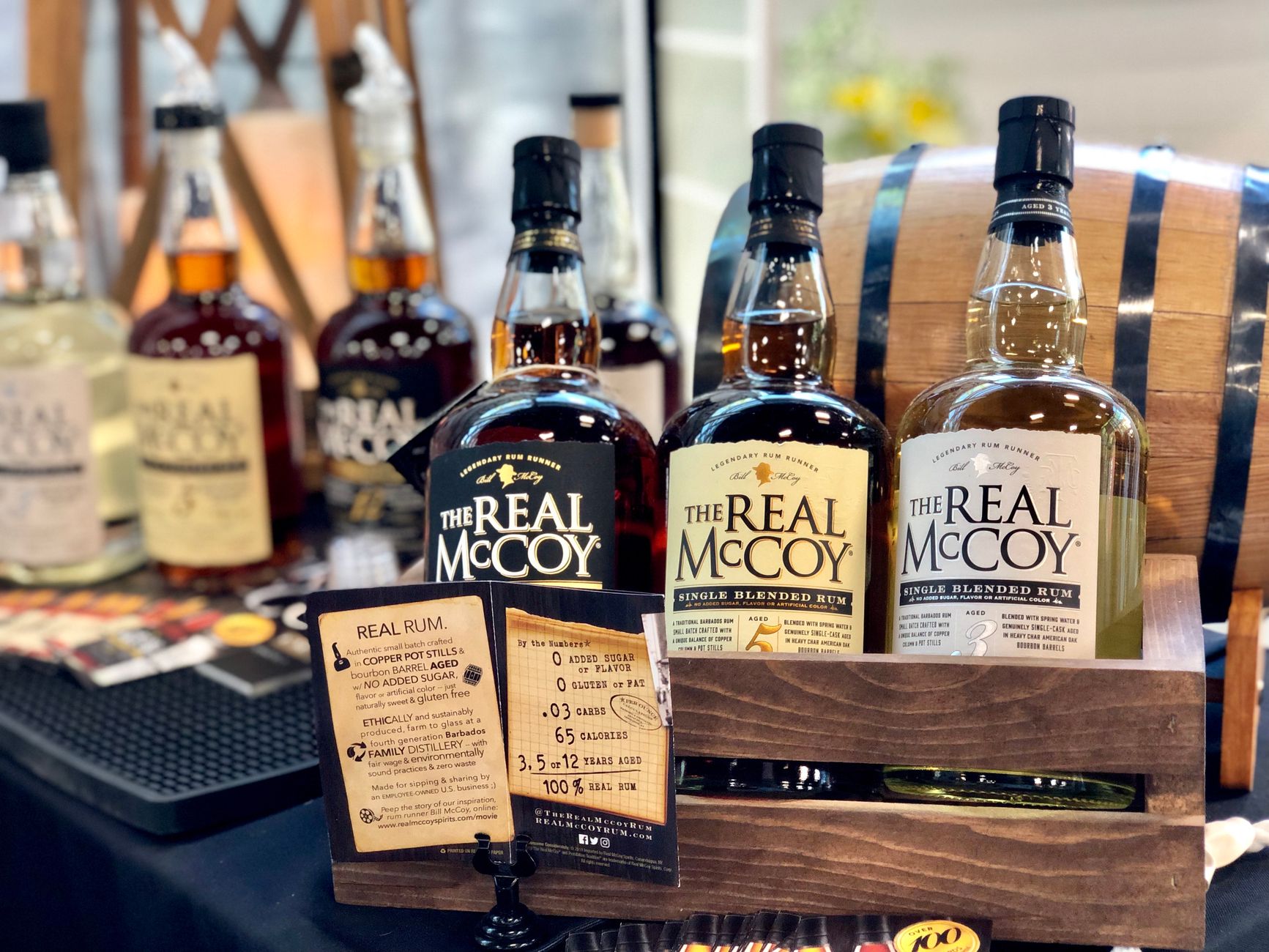
Rum is a beloved spirit known for its rich flavors and diverse varieties, often enjoyed in cocktails or neat. Understanding what rum is made of helps enhance appreciation for this complex beverage, guiding choices for cocktails and pairings. This article unpacks the core ingredients and distillation processes involved in rum production.
Rum’s primary ingredient is sugarcane or its byproducts, including molasses. The fermentation and distillation processes transform these ingredients into the final product, resulting in a spectrum of flavors and styles. Here’s a closer look at how rum is made and what gives it its distinct character.
What Is Rum Made Of?
Rum is primarily made from sugarcane juice or molasses. The choice between these two ingredients influences the final flavor profile. During distillation, yeast converts the sugars into alcohol, and the aging process in wooden barrels further develops the rum’s complexity.
The Main Ingredients of Rum
The production of rum revolves around three key ingredients: sugarcane, water, and yeast. Let’s break these down further:
Sugarcane
- Types of Sugarcane: Rum can be made from fresh sugarcane juice, known as rhum agricole, or from molasses, a byproduct of sugar refining.
- Flavor Contribution: The type of sugarcane used influences flavor; fresh sugarcane typically yields rums with a grassy, vegetal note, while molasses-based rums are often richer and more caramelized.
Water
- Source and Purity: Water is crucial in the fermentation process. It should be pure, free from contaminants, and often comes from freshwater springs. Distilleries often prioritize water quality to maintain the integrity of their rum.
- Role in Production: Water is used during fermentation to dissolve the sugar and also helps in diluting the spirit to the desired bottling strength.
Yeast
- Fermentation Agent: Yeast is a vital microorganism that ferments the sugars from sugarcane, converting them into alcohol and carbon dioxide. Different strains of yeast can impart unique characteristics and flavors to the rum.
- Flavor Impact: The selection of yeast and fermentation conditions (such as temperature and time) can significantly affect the final flavor profile of the rum.
The Rum Production Process
Now that we’ve covered the key ingredients, let’s explore the steps involved in turning sugarcane into rum. The process includes harvesting, fermentation, distillation, and aging.
Harvesting and Preparation
- Harvest the sugarcane, typically using machinery or by hand.
- After harvesting, the sugarcane is crushed to extract its juice or is processed into molasses.
- If using sugarcane juice, it may need to be filtered or clarified before fermentation.
Fermentation
- The extracted juice or molasses is mixed with water to create a mash.
- Yeast is added to initiate fermentation, which usually lasts from several days to two weeks.
- During fermentation, the yeast consumes sugars, producing alcohol and other compounds that contribute to flavor.
Distillation
- The fermented mash is heated in a still, where alcohol vaporizes and is collected.
- There are two main distillation methods: pot still and column still. Pot stills produce richer, fuller-bodied rums, while column stills yield lighter, higher-proof spirits.
- The distillation process can be repeated to increase purity and alcohol content.
Aging
- Distilled rum is typically placed in wooden barrels, commonly oak, for aging.
- Aging allows the spirit to mellow, gain complexity, and acquire flavors from the wood.
- The duration of aging varies by style and brand. Some rums are aged for only a few months, while others may be aged for several years.
Blending and Bottling
- After aging, some rums are blended with others to achieve a desired flavor profile.
- Rums may also undergo filtration processes to remove impurities before bottling.
- The final spirit is diluted to the desired alcohol content with water before being bottled for sale.
Types of Rum
Understanding the types of rum can help you appreciate its diversity and find the right styles for cocktails and sipping. Here are the main categories:
White Rum
- Also known as silver or light rum, this type is typically unaged or aged for a short period.
- White rum has a clean, light flavor, making it ideal for cocktails like mojitos and daiquiris.
Gold Rum
- Gold rum is usually aged longer than white rum, resulting in a richer flavor and a golden color.
- Often used in mixed drinks and cocktails, it has caramel and vanilla notes.
Dark Rum
- This rum is aged for a longer time in charred barrels, developing a deep color and robust flavor.
- Commonly used in baking or in cocktails like rum punch, dark rum offers notes of molasses and spices.
Aged Rum
- Aged rum is often labeled with an age statement, indicating the minimum time spent in barrels.
- These rums are typically sipped neat or on the rocks, showcasing their complexity.
Flavored Rum
- Flavored rums have added spices, fruits, or other flavorings, providing a unique taste experience.
- Common examples include coconut rum and spiced rum, great for cocktails and creative mixed drinks.
How to Choose the Right Rum
When selecting rum, consider the following factors to find a spirit that suits your tastes or the intended cocktail:
- Type of Rum: Decide between white, gold, dark, or flavored rums based on your intended use.
- Brand Reputation: Seek out brands known for quality and honest labeling practices.
- Tasting Notes: Look for tasting notes or reviews to get an idea of flavor profiles before purchasing.
- Region of Origin: Rums from different regions (e.g., Caribbean, South America) have distinct flavor characteristics. Explore these nuances.
Common Rum Cocktails
Rum serves as a versatile base for many classic cocktails. Here are some popular options:
Mojito
A refreshing drink made with white rum, fresh mint, lime juice, sugar, and soda water.
Daiquiri
A simple yet delicious mix of white rum, lime juice, and simple syrup, often served blended or shaken.
Pina Colada
A tropical favorite, combining white rum, coconut cream, and pineapple juice, often blended with ice.
Rum Punch
The perfect party drink, rum punch typically mixes dark rum with fruit juices and spices. Check out a detailed recipe here.
Rum and Coke
A simple highball drink combining rum with cola, best served over ice. For a classic recipe, take a look here.
Suitability and Storage of Rum
Rum is generally stable and has a long shelf life, thanks to its high alcohol content. Here are some storage tips:
- Proper Sealing: Keep the bottle sealed tightly when not in use to prevent evaporation and oxidation.
- Cool, Dark Place: Store rum in a cool, dark place away from direct sunlight to maintain its flavor and quality.
- Signs of Quality: Unlike some spirits, rum doesn’t spoil, but always check for changes in taste or aroma as it ages.
In conclusion, the crafting of rum involves a meticulous process from sugarcane to glass. Each step, ingredient, and aging decision contributes to the final product’s unique flavor and character. Whether enjoying it straight or in a cocktail, understanding what is in your rum can elevate your tasting experience.
Feel free to explore additional recipes and guides to enhance your culinary journey! Check out our rum and coke recipe or find out how to make a delicious Jamaican rum punch.