
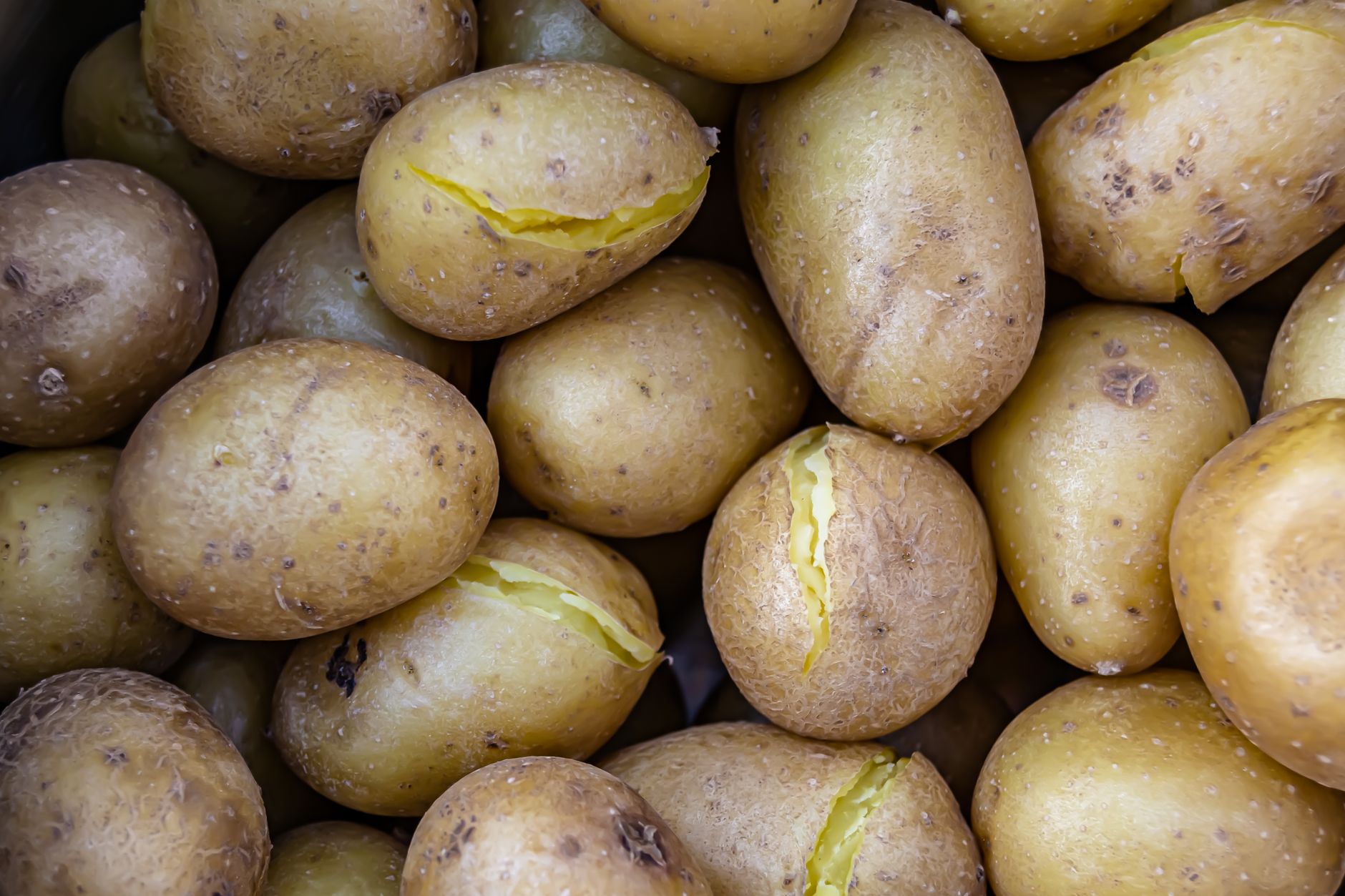
Resistant starch has gained attention as a unique carbohydrate that can offer various benefits, influencing everything from gut health to blood sugar control. As it is not fully digestible in the small intestine, resistant starch plays a crucial role in enhancing dietary habits and can be found in several common foods. Understanding what resistant starch is, its culinary versatility, and how to incorporate it into your meals can enhance not only your diet but also your cooking experience.
This article explores the concept of resistant starch, its flavors and textures, and practical kitchen applications. Whether you’re a seasoned home cook or a beginner looking to expand your ingredient list, you’ll find valuable insights here that will make cooking with resistant starch both enjoyable and rewarding.
What Is Resistant Starch?
Resistant starch is a type of carbohydrate that behaves differently than regular starches. While most carbohydrates are digested and absorbed in the small intestine, resistant starch escapes this process and travels to the large intestine, where it acts like dietary fiber. This unique feature of resistant starch provides several potential health benefits, such as improved digestion and beneficial effects on blood sugar levels.
Types of Resistant Starch
There are four main types of resistant starch, each derived from different sources:
- Type 1: Found in whole or minimally processed grains, legumes, and seeds. It is tightly bound within the cell structure, making it resistant to digestion.
- Type 2: Found in some raw foods, such as unripe bananas and raw potatoes. This type remains resistant even when cooked.
- Type 3: Formed when starchy foods are cooked and then cooled. Foods like cooked and chilled pasta or potatoes create resistant starch through this retrogradation process.
- Type 4: This is a man-made form found in processed foods and supplements. It is chemically modified to enhance its resistance.
Taste and Texture of Resistant Starch
One of the appealing aspects of resistant starch is that it does not significantly alter the taste of dishes. Whether it’s found in pasta, bread, or legumes, the flavor profile remains consistent with traditional starches. However, some considerations include:
- Texture: Foods that contain resistant starch can have a firmer texture if they are cooked and cooled, especially evident in items like potato salad or chilled quinoa.
- Flavor Enhancements: Adding ingredients that complement or enhance flavors, like herbs and spices, can help mask any subtle differences from incorporating foods high in resistant starch.
Benefits of Resistant Starch
While scientific research on resistant starch is ongoing, some potential benefits may include:
- Digestive Health: Resistant starch acts as a prebiotic, feeding beneficial gut bacteria, which in turn may improve gut health.
- Blood Sugar Control: It can slow down the absorption of glucose, leading to improved blood sugar levels after meals.
- Satiety: By promoting feelings of fullness, resistant starch may assist in weight management.
Kitchen Uses of Resistant Starch
Incorporating resistant starch into your meals can be done easily through various cooking techniques and ingredient choices. Below is a guide to effectively use resistant starch in your kitchen.
1. Cooking Techniques
Understanding how to prepare foods rich in resistant starch highlights their versatility:
- Cooking and Cooling: Cooking starchy foods like potatoes or rice and then chilling them increases the resistant starch content. This transformation can significantly enhance the dietary fiber aspect of meals.
- Blending: Adding resistant starch-rich foods into smoothies is a great way to boost fiber intake without compromising taste.
- Substitution: Consider substituting regular flour with resistant starch or its derivatives in recipes for baked goods.
2. Incorporating Resistant Starch into Recipes
There are endless possibilities when incorporating resistant starch into your meals:
- Overnight Oats: Add a tablespoon of resistant starch powder to your overnight oats for extra fiber.
- Salads: Use cooled, cooked grains or legumes as a base for salads to incorporate resistant starch.
- Baking: Integrate resistant starch into your baking recipes. For instance, you can blend in a small amount of resistant starch into bread or muffin batter.
Recipe Ideas Using Resistant Starch
Here are several simple recipes that incorporate resistant starch, providing an enjoyable culinary experience while promoting health benefits.
Cool Potato Salad
This dish showcases the benefits of resistant starch through the cooking and cooling of potatoes, making it a delicious addition to any summer feast.
Yield: 4 servings
Preparation Time: 15 minutes
Cooking Time: 20 minutes
Total Time: 35 minutes
Ingredients
- 2 pounds of potatoes, diced
- ½ cup celery, diced
- ½ cup red onion, diced
- 1 cup Greek yogurt
- 2 tablespoons mustard
- Salt and pepper, to taste
- 1 tablespoon fresh dill, chopped (optional)
Equipment
- Large pot
- Colander
- Mixing bowl
- Spatula or spoon for mixing
- Refrigerator
Method
- Boil potatoes in a large pot of salted water until fork-tender, around 15-20 minutes.
- Drain and let the potatoes cool to room temperature.
- In a mixing bowl, combine Greek yogurt, mustard, salt, pepper, and dill, if using.
- Add the cooled potatoes, celery, and red onion to the dressing and mix gently to combine.
- Chill the potato salad in the refrigerator for at least 30 minutes before serving.
Resistant Starch Smoothie
This smoothie is an excellent way to boost your breakfast with resistant starch while keeping it refreshing and nutritious.
Yield: 2 servings
Preparation Time: 5 minutes
Ingredients
- 1 medium unripe banana (for Type 2 resistant starch)
- 1 cup spinach
- 1 cup almond milk
- 1 tablespoon resistant starch powder
- 1 tablespoon honey (optional)
- Ice cubes (optional)
Equipment
- Blender
Method
- Place the unripe banana, spinach, almond milk, resistant starch powder, and honey into the blender.
- Blend until smooth and creamy.
- Add ice cubes if desired and blend again until reached the desired consistency.
- Serve immediately.
Practical Tips for Working with Resistant Starch
When incorporating resistant starch into your cooking routine, here are some practical tips to consider:
- Opt for Unripe Bananas: When looking for Type 2 resistant starch, unripe bananas are an excellent and tasty option.
- Experiment with Different Grains: Try using a variety of whole grains like brown rice, quinoa, or barley in different meals to diversify resistant starch sources.
- Gradually Increase Intake: If new to resistant starch, start with small amounts and gradually increase to avoid any digestive discomfort.
- Store Cooked and Cooled Starches Properly: Store cooled potatoes or rice in an airtight container in the refrigerator for up to three days for best results.
Common Mistakes to Avoid
Successfully cooking with resistant starch involves learning from a few common pitfalls:
- Skipping the Cooling Process: Many cooks overlook the necessity of chilling starchy foods after cooking, which is essential for forming resistant starch.
- Selecting Ripe Bananas: Ripe bananas contain less resistant starch. Choosing unripe ones is key to maximizing resistant starch benefits.
- Underestimating Cooking Time: Ensure you cook potatoes and grains thoroughly to ease digestion.
Storage and Reheating Guidelines
Proper storage of foods rich in resistant starch is important for maintaining their health benefits:
- Refrigeration: Store cooked and cooled starches in a sealed container in the refrigerator. They can last for about three to five days.
- Reheating: Reheat only what you plan to eat, since reheating may lower the resistant starch content further. Choose gentle methods like steaming or microwaving briefly.
Including resistant starch in your diet can elevate both health benefits and culinary creativity. Its occurrence in familiar foods makes it easy to adopt without compromising flavor.
If you’re inspired to explore more recipes and techniques, consider trying a delicious chia pudding recipe or experiment with baking a keto-friendly banana bread to expand your repertoire further.