
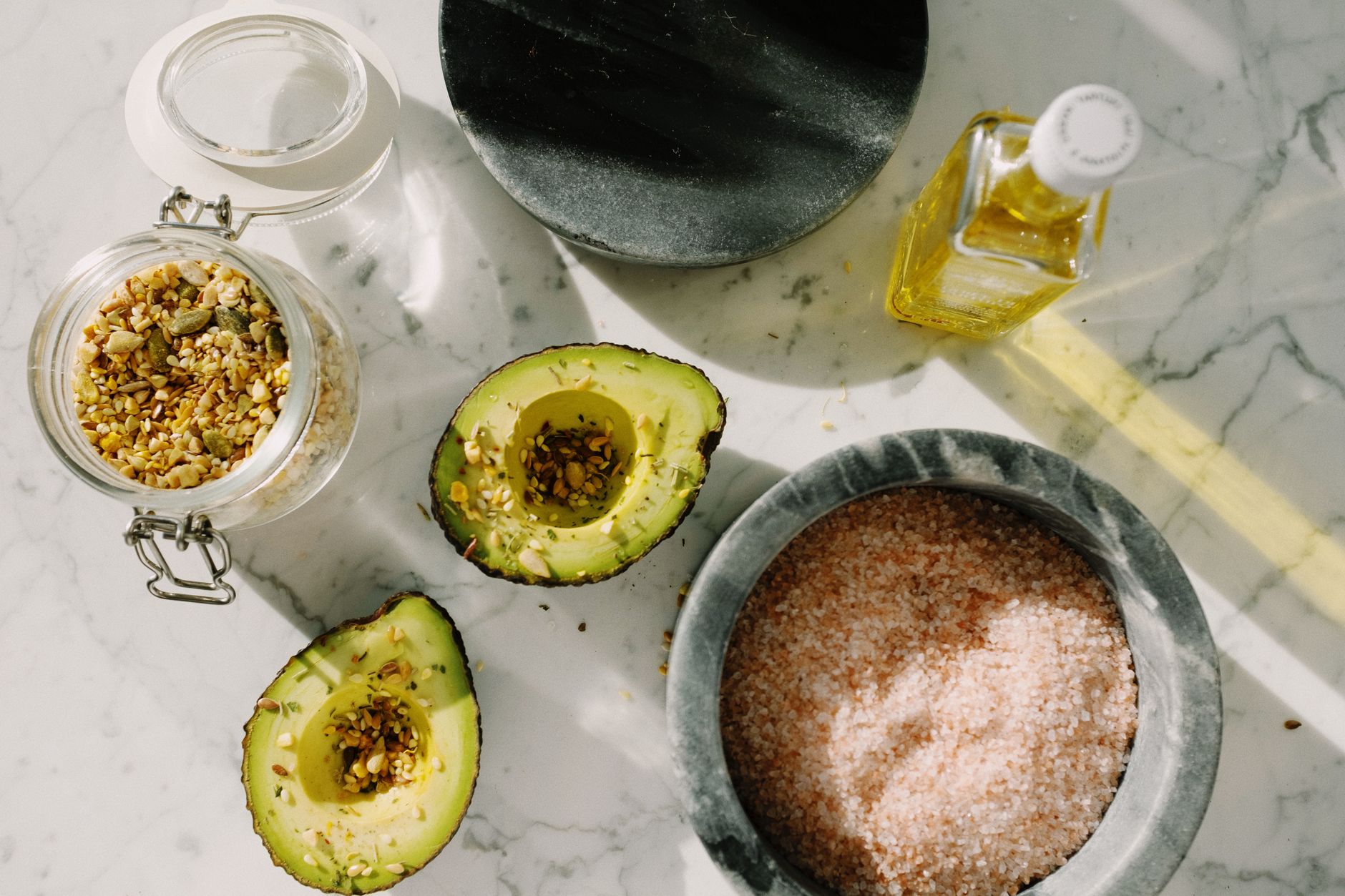
Refined avocado oil is gaining popularity in kitchens worldwide for its versatility and unique properties. Extracted from the flesh of avocados, this oil undergoes a refining process that enhances its flavor profile and cooking capabilities.
This article will explore what refined avocado oil is, its taste, texture, how it differs from unrefined avocado oil, and various kitchen uses that can enhance your culinary creations.
What Is Refined Avocado Oil?
Refined avocado oil is derived from the flesh of avocados, which are first pressed to release the oil. The refining process involves filtering and refining the oil to remove impurities and enhance its smoke point, flavor, and aroma. This makes refined avocado oil ideal for various cooking methods, such as frying, sautéing, and baking.
The process usually includes several steps, like degumming, neutralizing, and bleaching, which help produce a light-colored oil with a mild flavor. Unlike unrefined avocado oil, refined avocado oil maintains stability at high temperatures, making it a popular choice for high-heat cooking.
Taste and Texture of Refined Avocado Oil
Refined avocado oil has a mild, slightly nutty taste that does not overpower dishes. Its subtle flavor profile makes it an excellent choice for many culinary applications.
In terms of texture, refined avocado oil is smooth and light, allowing for easy incorporation into recipes. It is less viscous than some other oils, making it suitable for drizzling and baking without weighing down dishes.
Differences Between Refined and Unrefined Avocado Oil
It’s crucial to understand how refined avocado oil differs from its unrefined counterpart. Here are some differences and similarities:
- Flavor: Unrefined avocado oil has a rich, buttery flavor that comes from the fresh avocados, while refined avocado oil has a lighter taste.
- Smoke Point: Refined avocado oil has a higher smoke point (around 500°F/260°C) compared to unrefined avocado oil, which smokes at about 375°F/191°C. This makes refined oil more suitable for high-heat cooking.
- Processing: Refined avocado oil undergoes a significant processing procedure to remove impurities, while unrefined oil is minimally processed.
- Nutritional Content: Refined avocado oil may have decreased nutritional properties due to processing, but it still retains healthy fats and some vitamins.
Cooking and Kitchen Uses of Refined Avocado Oil
Refined avocado oil’s unique properties make it a valuable ingredient in various cooking situations. Here are several ways to incorporate it into your kitchen:
1. High-Heat Cooking
Because of its high smoke point, refined avocado oil is perfect for frying or sautéing vegetables and proteins without creating harmful smoke. You can use it for:
- Stir-frying: The oil’s stability allows for quick and efficient stir-frying of meats and vegetables at high temperatures.
- Deep-frying: Its high smoke point makes it an excellent choice for deep-frying foods like crispy chicken or doughnuts.
- Grilling: Brush it over meats and vegetables before grilling to prevent sticking and add flavor.
2. Baking
Refined avocado oil can also be used in baking, where it will not alter the result of your recipes. Suggested uses include:
- Cakes and Muffins: Substitute refined avocado oil for butter or other oils in recipes to create moist baked goods.
- Focaccia and Bread: Use it to enhance the texture of bread dough while providing a subtle flavor.
3. Salad Dressings and Marinades
Due to its neutral flavor, refined avocado oil is an excellent base for homemade salad dressings and marinades. Consider preparing:
- Vinaigrettes: Combine with vinegar, herbs, and spices for a delectable salad dressing.
- Marinades: Use it alongside garlic, citrus, or soy sauce for flavorful marinades that enhance the taste of your proteins.
4. Drizzling and Finishing
Refined avocado oil can be drizzled over finished dishes for added flavor and sheen, such as:
- Pasta: Drizzle over pasta dishes for an extra layer of richness.
- Roasted Vegetables: Add a touch before serving to enhance aroma and flavor.
Practical Tips for Using Refined Avocado Oil
When working with refined avocado oil, consider the following tips to maximize your cooking experience:
- Storage: Store the oil in a cool, dark place to maintain its quality. Refrain from exposing it to heat or light for extended periods.
- Substitutions: If you run out of refined avocado oil, consider using other neutral oils such as canola oil or grapeseed oil, keeping in mind that flavor may vary slightly.
- Check Labels: Look for high-quality refined avocado oil without additives or preservatives to ensure the best flavor and health benefits.
Common Mistakes When Using Avocado Oil
Using refined avocado oil can be straightforward, but some common pitfalls may hinder your culinary efforts. Here are a few mistakes to avoid:
- Overheated Oil: While refined avocado oil has a high smoke point, over-heating it can result in a burnt taste. Monitor your cooking temperatures carefully.
- Ignoring Flavor Profiles: While its mild flavor is great for many dishes, it may not complement every recipe. Always consider how the oil will interact with other flavors in your dish.
Storage and Shelf Life
Refined avocado oil, when stored properly, can last for up to 18-24 months. Here are some recommendations for optimal storage:
- Keep it tightly sealed in an opaque container to protect it from light and heat.
- Store it in a cool pantry or refrigerator if you live in a warmer climate.
- Always check the smell and appearance before using, and discard if it smells rancid or off.
Conclusion
Refined avocado oil is a versatile cooking ingredient that offers high-heat stability and a mild flavor, making it ideal for various culinary applications. Its ability to enhance meals without overpowering other ingredients makes it a kitchen staple. Experiment with refined avocado oil for frying, baking, sautéing, and in dressings to add a delicious touch to your meals.
For more culinary tips, consider exploring how to substitute avocado oil for olive oil in your favorite recipes or try your hand at baking with an avocado bread recipe. These resources can expand your cooking options while improving your culinary skills.