
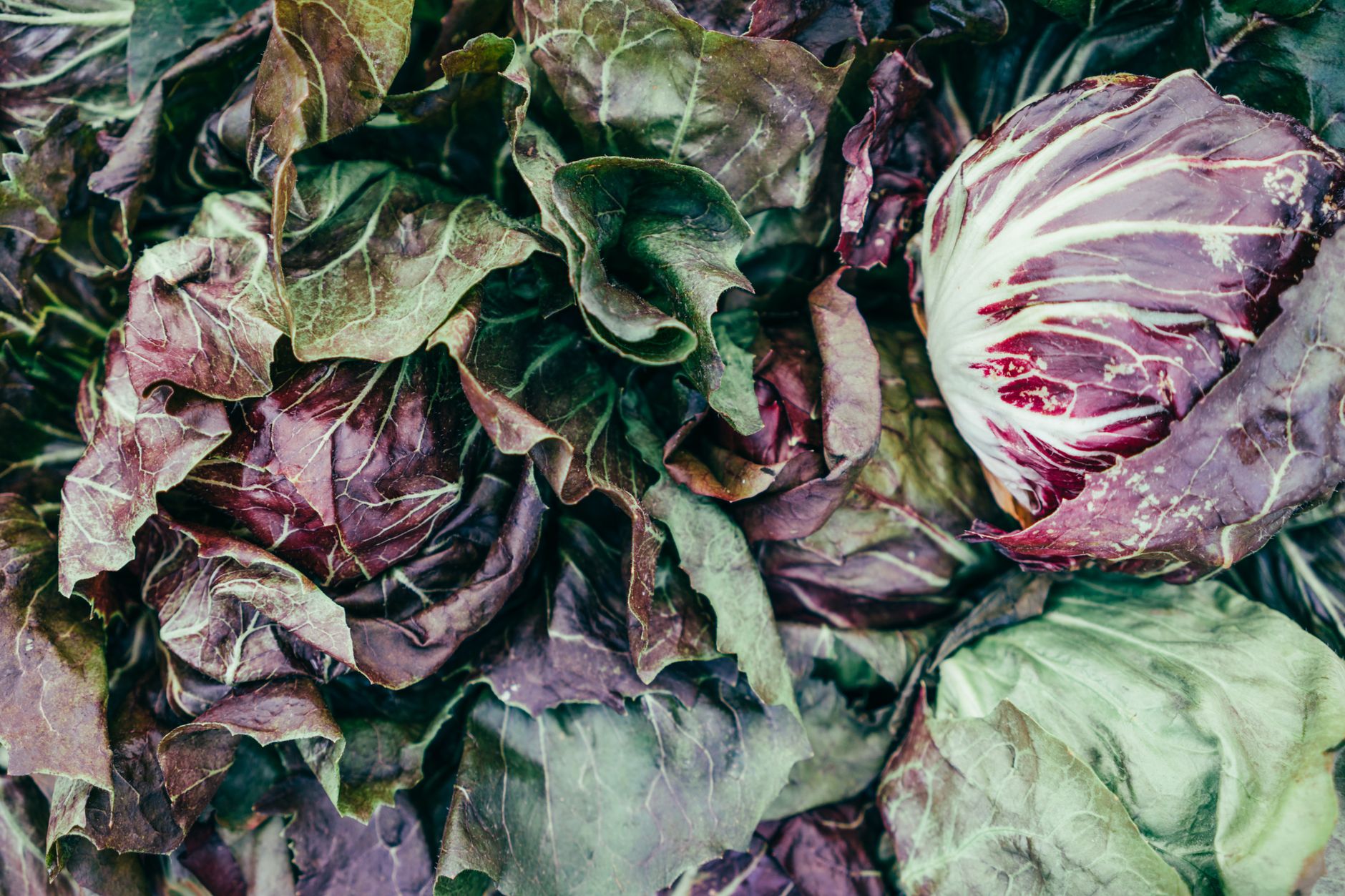
Radicchio is a vibrant, leafy vegetable that belongs to the chicory family. Known for its striking red color and slightly bitter flavor, it adds a unique twist to salads and cooked dishes alike. This guide aims to uncover everything you need to know about radicchio, from its varieties and culinary uses to tips for selection and storage.
Whether you are a seasoned chef or a home cook looking to experiment, understanding radicchio can elevate your culinary creations. Let’s explore this fascinating ingredient in detail!
What Is Radicchio?
Radicchio is a type of leafy vegetable that falls under the chicory species and is particularly known for its bold purple-red leaves and white veins. It offers a crisp texture and a sweet, slightly bitter flavor that can enhance various dishes. Typically cultivated in Italy, radicchio comes in several varieties and can be used both raw and cooked.
The Varieties of Radicchio
There are several popular varieties of radicchio, each with distinct flavors and appearances.
- Radicchio di Chioggia: This is the most common variety with round heads resembling small cabbages. It has a gentle bitterness and is often used in salads.
- Radicchio di Treviso: This variety boasts long, elongated leaves with a more pronounced bite. It is favored for grilling and roasting due to its ability to caramelize.
- Radicchio di Verona: Recognized by its delicate, curly leaves and sweet flavor, this type is often enjoyed in gourmet dishes.
- Baby Radicchio: These smaller leaves exhibit a milder taste and are perfect for salads or as a garnish.
Flavor Profile and Culinary Uses
Radicchio offers a complex flavor profile that enhances a range of dishes. Its peppery and slightly bitter notes work especially well in salads, providing a contrast to sweeter ingredients like fruits, nuts, or honey-based dressings. It can also be grilled, roasted, or sautéed to mellow its bitterness, imparting a smoky char to dishes.
Raw Uses
When consumed raw, radicchio offers a refreshing crunch. Some ways to incorporate it raw include:
- Adding it to mixed green salads for vibrant color and texture.
- Creating slaws with apples and nuts for a crunchy side dish.
- Using it as a wrap for phyllo or lettuce wraps, filled with proteins and veggies.
Cooked Uses
Cooking radicchio can significantly alter its flavor, making it sweeter and less bitter. Here are some popular preparation methods:
- Grilling: Grilling radicchio allows it to caramelize, softening its bitterness and making its sweetness more pronounced.
- Roasting: Toss radicchio wedges with olive oil and roast them to create a delicious side dish.
- Sautéing: Quickly sautéing radicchio with garlic and olive oil can create a flavorful topping for pastas and pizzas.
Health Benefits of Radicchio
Radicchio is not only a flavorful addition to your meals but also offers several health benefits. It is low in calories but high in nutrients. Here are some notable health aspects:
- Rich in antioxidants: The polyphenols and anthocyanins in radicchio can help neutralize harmful free radicals in the body.
- Nutrient dense: Radicchio is a good source of vitamins A, K, and C, along with fiber, which aids digestion.
- Supports heart health: Its high levels of vitamins and antioxidants may contribute to improved heart health.
Selecting and Storing Radicchio
When purchasing radicchio, look for heads that are firm and heavy with vibrant leaves. Avoid any that show signs of wilting or browning. Here are some tips for selection:
- Choose radicchio that feels dense and has a solid structure.
- Look for rich color; the leaves should be a deep red or purple.
- Avoid heads with damaged or discolored leaves as they may be past their prime.
Storage Tips
To maintain the freshness of radicchio, follow these storage guidelines:
- Store radicchio in the refrigerator in a perforated plastic bag to maintain moisture while allowing airflow.
- Consume within a week for optimal freshness, although it can last up to ten days in ideal conditions.
- Avoid washing radicchio before storage; wash the leaves right before use to prevent sogginess.
Common Substitutes for Radicchio
If you find yourself without radicchio or wish to try something different, there are several suitable substitutes. However, each alternative may bring its own unique flavor and texture. Here are some options:
- Endive: Slightly milder in flavor, endive can offer the crisp texture needed in salads.
- Arugula: While much more peppery, arugula adds an interesting zing and can be mixed into salads.
- Chicory: Similar in flavor but less colorful, chicory can be used in cooked dishes in place of radicchio.
- Swiss Chard: This leafy green lacks the bitterness of radicchio but brings a similar texture to various recipes.
Cooking Techniques to Enhance Radicchio
Several cooking techniques can enhance the unique characteristics of radicchio, allowing you to best enjoy its flavor. Here are some of the most effective methods:
Grilling Radicchio
Grilling radicchio caramelizes its natural sugars, resulting in a sweeter flavor:
- Prepare the head: Slice the radicchio in half or quarters, depending on size.
- Preheat your grill to medium heat.
- Brush the cut sides with olive oil and season with salt and pepper.
- Place the radicchio on the grill, cut side down, and grill for about 3-5 minutes until charred.
- Flip and grill for an additional 3 minutes until tender.
Roasting Radicchio
Roasting brings out a different dimension of flavor:
- Preheat your oven to 400°F (200°C).
- Cut radicchio into wedges and toss with olive oil, garlic, salt, and pepper.
- Place on a baking sheet and roast in the oven for 15-20 minutes until tender and slightly crispy.
- Serve as a side dish or top with balsamic reduction for an extra layer of flavor.
Common Mistakes When Cooking with Radicchio
While incorporating radicchio into your meals can elevate the flavors, here are some common mistakes to avoid:
- Overcooking: Cooking radicchio for too long can make it mushy and overly bitter. Keep cooking times brief when sautéing or roasting.
- Not balancing flavors: Because of its inherent bitterness, balance radicchio with sweeter ingredients like fruits, honey, or rich dressings.
- Ignoring careful washing: Ensure radicchio is washed and dried properly to avoid sogginess in salads.
Serving Suggestions
Radicchio is incredibly versatile and can complement a variety of dishes. Consider the following serving suggestions:
- Pair radicchio with grilled meats or seafood, such as salmon or chicken, for a balanced meal.
- Incorporate it into pasta dishes, either raw as a fresh topping or sautéed for added depth.
- Add to pizza, where its bitterness pairs well with creamy cheeses like burrata or mozzarella.
Make-Ahead Tips
If you’re planning meals for the week, radicchio can be prepared in advance:
- Pre-cut and wash radicchio, storing it in an airtight container for up to a week.
- Cooked radicchio can be refrigerated and reheated, retaining most of its flavor and texture for three to four days.
Conclusion
Radicchio is a bold and versatile ingredient that can bring both flavor and visual appeal to a range of dishes. Its distinctive taste appeals to adventurous palates and enriches both simple salads and elaborate meals. By understanding its varieties, uses, and preparation techniques, you can confidently incorporate radicchio into your culinary repertoire.
For more information on cooking ingredients, check out our guides on substituting coriander and understanding chard to expand your kitchen knowledge.