
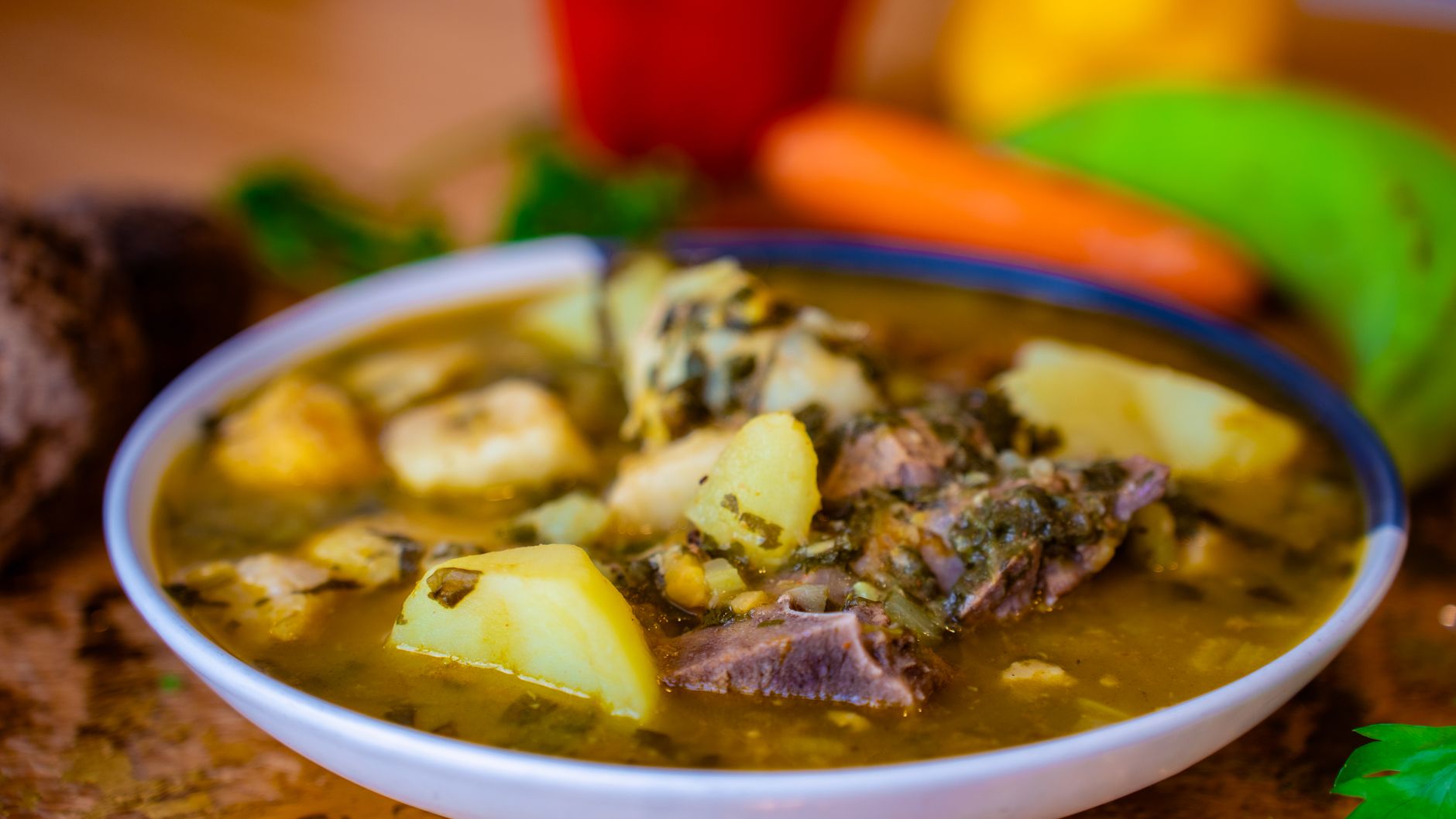
Pottage is a traditional dish that has roots stretching back to ancient times. This thick stew-like meal combines various ingredients, usually vegetables, grains, and sometimes meat, simmered together to create a hearty, nourishing dish. Its simplicity and versatility have made pottage a staple in many cultures.
The beauty of pottage lies in its adaptability. It’s often made with what is on hand, making it ideal for budget-conscious cooking. This article will explore the essential components of pottage, its flavors, and how to serve it to ensure a delightful dining experience.
What Is Pottage?
Pottage is a savory dish that can vary significantly depending on regional ingredients and personal preferences. Traditionally, it consists of vegetables, meat, and a thickening agent like flour or grains. Pottage is nutritious and filling, often serving as a complete meal on its own.
Ingredients Commonly Used in Pottage
Pottage can be customized based on seasonal ingredients, dietary restrictions, and flavor preferences. Below is a breakdown of common ingredients typically found in various pottage recipes.
Base Ingredients
- Vegetables: Traditional choices include carrots, potatoes, onions, celery, and leafy greens like spinach or kale.
- Grains: Barley, oats, rice, or lentils are often used to provide thickness and texture.
- Meat: While many pottages are vegetarian, adding ingredients like chicken, beef, or pork can enhance flavor and protein content.
- Broth: A flavorful base is crucial; vegetable, chicken, or beef broth can be used to enhance the taste.
- Herbs and Spices: Fresh or dried herbs such as thyme, rosemary, bay leaves, and spices like black pepper or paprika can deepen the flavor profile.
Flavor and Texture
The flavor of pottage depends significantly on the quality of the ingredients used and how they are prepared. A well-made pottage should have a rich, savory flavor, with the sweetness of the vegetables balanced by the depth of the broth. The texture should be hearty and somewhat thick, allowing spoonfuls to hold their shape.
How to Make Pottage
Making pottage is a straightforward process that allows for plenty of creative freedom. It can be made in larger batches for meal prep or casual family meals. Below is a general method for preparing a basic pottage.
Yield and Timing
- Yield: 6 servings
- Preparation Time: 15 minutes
- Cooking Time: 1 hour
- Total Time: 1 hour 15 minutes
Ingredients for Basic Pottage
- 2 tablespoons olive oil
- 1 large onion, diced
- 2 carrots, sliced
- 2 stalks of celery, chopped
- 3 garlic cloves, minced
- 4 cups broth (vegetable or meat-based)
- 1 cup potatoes, diced
- 1/2 cup barley or lentils
- 1 cup leafy greens, roughly chopped
- 2 teaspoons dried thyme
- Salt and black pepper to taste
Essential Equipment
- Large pot or Dutch oven
- Wooden spoon or spatula
- Cutting board and knife
- Measuring cups and spoons
Step-by-Step Method
- Heat the olive oil in a large pot over medium heat. Once hot, add the diced onion and sauté for about 5 minutes, or until translucent.
- Add the sliced carrots and chopped celery to the pot. Continue to cook for another 5 minutes, stirring occasionally.
- Stir in the minced garlic and cook for an additional minute until fragrant.
- Add the broth, diced potatoes, barley (or lentils), and dried thyme. Bring the mixture to a boil.
- Once boiling, reduce the heat to low, cover, and let it simmer for about 40 minutes, or until the barley is tender (if using lentils, adjust cooking time as necessary).
- In the final 5 minutes of cooking, stir in the chopped leafy greens and season with salt and black pepper to taste.
- Remove the pot from heat and let the pottage cool slightly before serving.
Serving Suggestions
Pottage can be served in various ways to enhance your meal experience. Here are some ideas for serving:
- With Bread: Serve pottage in bowls alongside crusty bread or flatbreads for dipping.
- Garnished: Top with fresh herbs, a drizzle of olive oil, or a sprinkle of cheese for added flavor.
- As a Side Dish: Serve smaller portions as a side dish with roasted meats or fish.
Common Mistakes to Avoid
When preparing pottage, keep the following tips in mind to improve your cooking results:
- Overcooking vegetables: Avoid prolonged cooking times to preserve the flavor and texture of vegetables.
- Too much liquid: Ensure your broth-to-ingredient ratio is balanced to avoid a watery consistency.
- Not seasoning adequately: Taste and adjust seasonings at different cooking stages; this helps build depth of flavor.
Practical Substitutions and Variations
Pottage is highly adaptable, and you can make several substitutions or alterations based on availability or dietary needs.
- Vegetarian/Vegan Options: Use vegetable broth and omit any meat to create a delicious vegetarian pottage.
- Gluten-Free: Replace barley with quinoa or rice for a gluten-free option.
- Seasonal Ingredients: Feel free to utilize seasonal vegetables to make the dish fresher and more vibrant.
Make-Ahead Guidance
Pottage is a perfect candidate for make-ahead meals. It stores well and develops its flavors over time:
- Allow the pottage to cool completely before transferring it to airtight containers for storage.
- Refrigerate for up to 4 days or freeze for up to 3 months.
When ready to enjoy, reheat on the stovetop over medium heat, adding a splash of broth or water if it seems too thick.
Storage and Reheating
Proper storage ensures your pottage remains fresh and flavorsome:
- Refrigerate leftovers in airtight containers for up to four days.
- To freeze, use freezer-safe containers or bags, leaving some space for expansion.
For reheating, do so gently on the stove or in the microwave, ensuring it reaches the proper temperature. Add a bit of liquid as necessary to adjust the consistency.
Exploring Regional Variations of Pottage
Pottage exists in many forms worldwide, reflecting local tastes, ingredients, and cooking traditions. Here are a few notable examples:
- Scottish Crowdie: A traditional Scottish pottage made with oats and often enriched with dairy.
- Sopa de Lima: This Yucatán version of pottage combines chicken, lime, and spices for a refreshing take.
- Chinese Congee: A type of rice porridge often served for breakfast, it can be savory or sweet depending on toppings.
Conclusion
Pottage is a versatile, nutritious dish that holds a special place in various culinary traditions. Its ability to adapt to different ingredients and preferences makes it an excellent option for budget-friendly meals. The next time you’re looking for a hearty dish, consider making a warming pot of pottage.
For more delightful recipes and cooking tips, check out our guides on pasta and peas or our overview of a Reuben sandwich.