
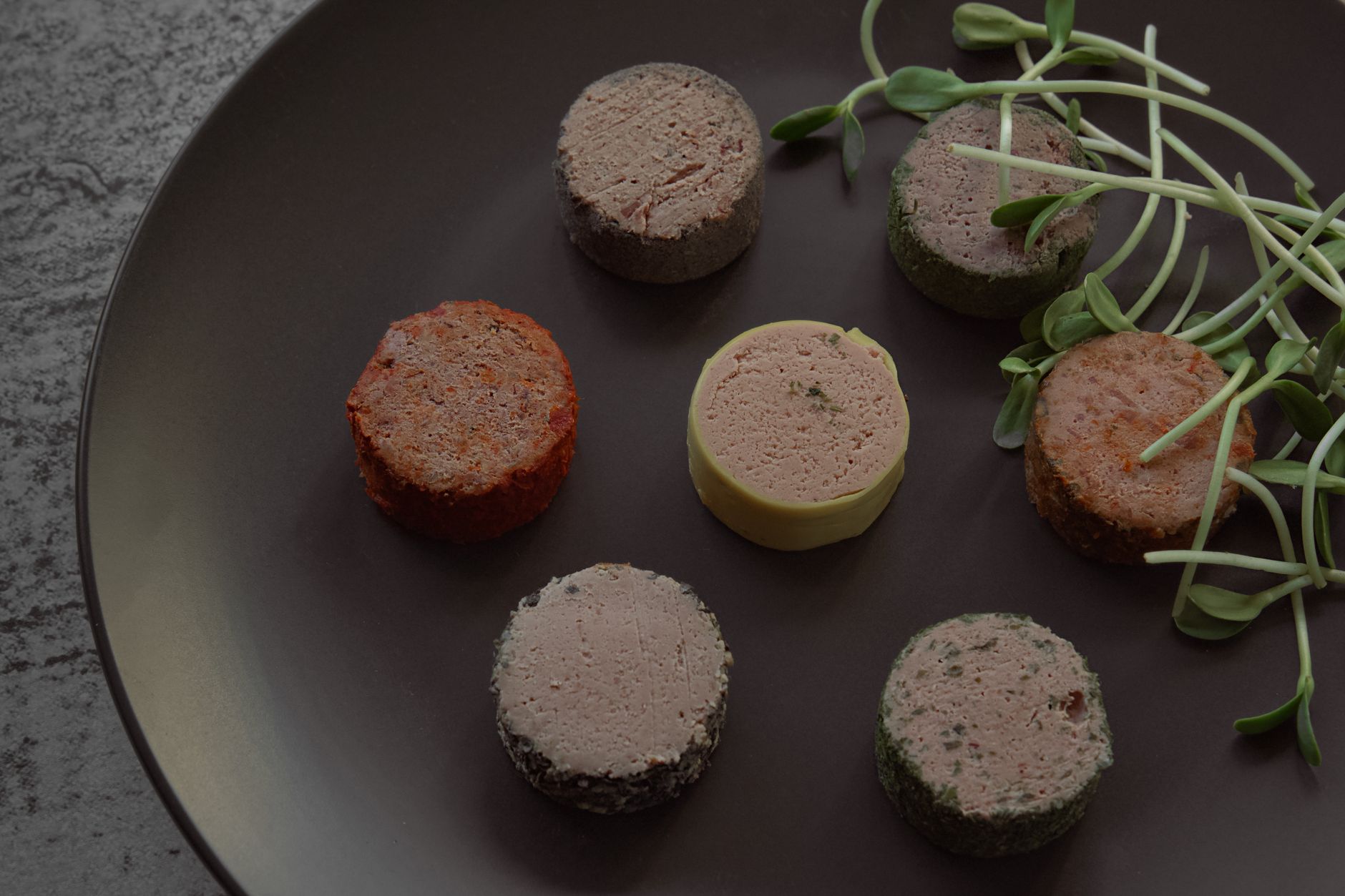
Pork pâté is a classic delicacy that embodies the rich and savory flavors of the pig in a spreadable form. It is typically made from various cuts of pork, often including the liver, and is seasoned with herbs and spices to enhance its natural taste. This dish can serve as an appetizer, snack, or even as part of a charcuterie board.
Exploring the world of pork pâté opens up a realm of culinary possibilities. Whether you are keen to prepare it at home or simply curious about its ingredients and how to serve it, understanding this delightful spread can elevate your culinary experience.
What Is Pork Pâté?
Pork pâté is a type of spread made from blended pork, usually including liver, along with various seasonings, fats, and sometimes other ingredients like vegetables or herbs. The mixture is cooked until it is fully set and can be enjoyed warm or cold. Depending on the recipe, it may have a smooth or coarse texture and a rich, meaty flavor.
Ingredients of Pork Pâté
The ingredients in pork pâté can vary widely based on regional recipes and personal preferences. However, there are standard components you can expect to find in a traditional pork pâté.
- Pork: Typically includes cuts such as shoulder, belly, and liver, which provide the base flavors.
- Fat: Pork fat (like lard or bacon) is often added to create a smooth consistency.
- Seasonings: Common spices include salt, pepper, garlic, and thyme. Additional flavorings such as nutmeg or allspice may also be used.
- Liquid: A splash of brandy, wine, or stock can help with the blending process and add depth to the flavor.
- Vegetables: Some recipes incorporate onions, shallots, or mushrooms for added complexity.
- Binding agents: Ingredients like eggs or bread crumbs are sometimes included to help the pâté hold its shape.
Flavor Profile and Texture
Pork pâté has a rich, savory flavor that showcases the qualities of pork, particularly when using liver, which adds a unique earthiness. The fat contributes to a velvety mouthfeel, making it easy to spread. Seasonings can range from mild to robust, enhancing the natural pork flavors without overpowering them.
The texture of pâté varies. Some may be silky and smooth, while others may retain a coarser texture with bits of meat or other ingredients, offering a delightful contrast in each bite.
How to Serve Pork Pâté
Pork pâté can be served in a variety of ways, making it a versatile addition to any meal or gathering. Here are some suggestions on how to present and enjoy your pork pâté:
- As a Spread: Serve the pâté on slices of baguette, crackers, or toast. It can be paired with pickles, mustard, or fruit preserves for an added flavor balance.
- Part of a Charcuterie Board: Include pork pâté alongside cheeses, cured meats, olives, and nuts on a charcuterie platter. This creates an appealing visual display and offers an assortment of flavors for your guests.
- With Salads: Incorporate slices of pâté in composed salads or as part of a picnic spread, pairing it with crispy greens and vinaigrettes.
- With Accompaniments: Serve with chutneys, relishes, or roasted vegetables to add freshness and crunch to the rich flavors of the pâté.
Making Pork Pâté: A Step-by-Step Guide
Creating pork pâté at home allows for customization and creativity. While there are many methods, here is a straightforward approach to making a classic pork pâté.
Yield and Timing
- Yield: Approximately 2 cups of pâté
- Preparation Time: 30 minutes (plus chilling time)
- Cooking Time: 1 hour
- Total Time: 1 hour and 30 minutes (plus chilling)
Ingredients
- 1 pound pork shoulder, trimmed and cubed
- ½ pound pork liver, cleaned and roughly chopped
- 4 ounces pork fat or lard
- 1 small onion, finely chopped
- 2 cloves garlic, minced
- 2 tablespoons brandy or cognac
- 1 egg
- 1 teaspoon thyme, dried
- 1 teaspoon salt
- ½ teaspoon black pepper
- ¼ teaspoon nutmeg (optional)
Essential Equipment
- Food processor or blender
- Large sauté pan
- Mixing bowl
- Pâté dish or terrine
- Meat thermometer
Method
- Preheat your oven to 350°F (175°C).
- In a large sauté pan over medium heat, melt the pork fat. Add the chopped onions and cook until they become translucent, about 5 minutes.
- Add the garlic and continue cooking for another minute until fragrant.
- In a food processor, combine the pork shoulder, liver, sautéed onion and garlic, brandy, egg, thyme, salt, black pepper, and nutmeg. Process until the mixture is smooth and well combined, scraping down the sides as needed.
- Transfer the mixture into a pâté dish or terrine, smoothing the top with a spatula.
- Place the dish into a larger baking pan and add enough hot water to the pan to come halfway up the sides of the pâté dish. This water bath will help cook the pâté evenly.
- Bake in the preheated oven for about 1 hour. A meat thermometer should read 160°F (71°C) when properly cooked.
- Once done, remove from the oven and the water bath, allowing it to cool to room temperature.
- Cover and refrigerate the pâté for at least 4 hours or overnight. This allows it to firm up and the flavors to meld.
Common Mistakes to Avoid
While making pork pâté can be straightforward, there are a few common pitfalls to keep in mind to achieve the best results:
- Overcooking: Avoid cooking the pâté beyond the recommended internal temperature as it may dry out. Use a meat thermometer for precision.
- Texture Issues: If your mixture is too dry, consider adding more fat or moisture. Conversely, be cautious with excess liquid that could result in a mushy texture.
- Inadequate Seasoning: Flavors can develop while cooking and chilling, so be sure to taste your mixture before baking and adjust the seasoning accordingly.
Variations and Substitutions
One of the strengths of pork pâté is its adaptability. Here are a few variations and substitutions to consider:
- Types of Meat: Substitute some of the pork shoulder with other meats like duck, chicken, or even game for different flavors.
- Seasonings: Experiment with various herbs like rosemary or sage. Spices like paprika or cayenne can add a kick.
- Vegetarian Alternatives: For a vegetarian pâté, consider using mushrooms, lentils, or beans as a base, along with spices and herbs for flavor.
Storage and Serving Advice
Pork pâté can be stored in the refrigerator for up to a week, tightly covered. For longer storage, it can be frozen for up to three months; however, the texture may change upon thawing. Always serve pâté chilled or at room temperature and bring it to a creamy consistency by letting it sit out for about 30 minutes before serving.
When serving, consider adding a variety of accompaniments like crusty breads, cheeses, and various pickled vegetables to make the spread interesting and appealing.
Conclusion
Pork pâté is a delightful dish that showcases the flavors and textures of pork in a versatile way that can enhance any culinary setting. Whether you choose to make it at home or indulge in a store-bought version, its rich flavor and spreadable consistency make it a must-try. Embrace the opportunity to serve it at gatherings, picnics, or as part of meals to uplift your dining experience.
Explore related recipes and tips, like this pork chop marinade or how to make boneless pork ribs, to expand your culinary repertoire!