
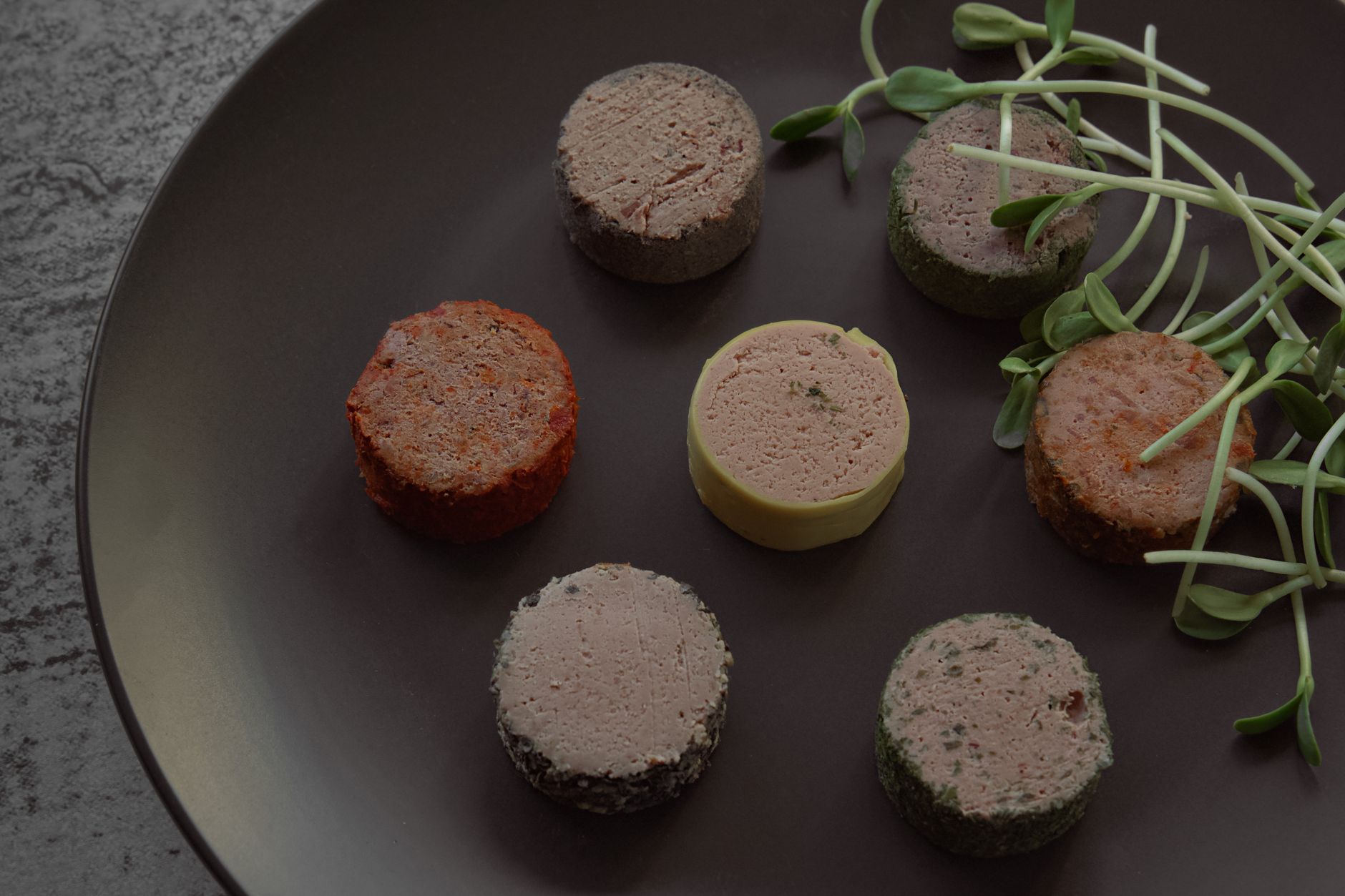
Paté is a rich, flavorful spread made primarily from ground meat, liver, and fat, often combined with herbs, spices, and other ingredients. It serves as a delicious appetizer or snack option, typically enjoyed with bread, crackers, or vegetables. Its creamy texture and variety of flavors make it a versatile addition to any cheese board or charcuterie platter.
This guide will delve into the types of paté, their key ingredients, flavor profiles, and how to serve them effectively. Whether you’re a culinary novice or an experienced home cook, this comprehensive overview will help you appreciate and create this classic dish.
What Is Paté?
Paté is a French culinary preparation that involves pureeing or grinding a mixture of meat, especially liver, with fat, spices, and various flavorings. The result is a spreadable, often smooth consistency that can be enjoyed in many forms. While it is traditionally associated with French cuisine, versions of paté can be found in many culinary cultures around the world.
There are different types of paté, including paté en croûte (wrapped in pastry), paté de campagne (country-style), and liver paté, each varying in texture and flavor. It can be served hot or cold, making it adaptable for various occasions, from casual gatherings to formal banquets.
Ingredients of Paté
The fundamental components of paté typically include meat, fat, and flavorings. Below is a breakdown of the key ingredients:
- Meat: The primary ingredient in most patés is meat, often liver—beef, chicken, or duck liver are particularly popular choices. Ground meats such as pork, beef, or game can also be included to enhance flavor and texture.
- Fat: Fat is crucial for a smooth texture and rich flavor. Common fats used include butter, cream, and rendered fat from the meat itself, such as duck fat or lard.
- Flavorings: Herbs, spices, and aromatics are essential for creating a well-rounded paté. Common additions include garlic, onions, thyme, rosemary, pepper, and nutmeg.
- Liquids: For moisture and depth of flavor, ingredients like wine, brandy, or broth may be incorporated into the mixture.
- Binders: Eggs are often added to help bind the paté and create a creamy texture. Some recipes may also use breadcrumbs or flour.
Types of Paté
Paté can take many forms, each with distinct ingredients and preparation methods. Here are some of the most commonly enjoyed types:
1. Paté de Foie Gras
This luxurious spread is made primarily from the liver of a fattened duck or goose. It is rich, buttery, and has a delicate flavor. Paté de foie gras is often served in small portions due to its richness and is commonly paired with sweet accompaniments like fruit preserves or honey.
2. Paté en Croûte
This variety is encased in pastry, making it a beautiful centerpiece for any charcuterie board. The filling typically consists of meat and liver, seasoned with herbs and spices, and sometimes includes nuts or dried fruits for added texture and flavor.
3. Paté de Campagne
Also known as country paté, this version is coarsely ground and usually contains a mix of meats, including pork, veal, and liver. It has a rustic feel, with bits of meat visible in the spread. Paté de campagne is often served with crusty bread and pickles.
4. Vegetable Paté
For those seeking a vegetarian option, vegetable paté uses pulses, vegetables, nuts, or tofu as the main ingredient. Flavored with herbs and spices, it mimics the creamy consistency of traditional paté.
Flavor Profile and Texture
Paté offers a complex flavor profile that varies based on the types and quality of ingredients used. The primary taste is often savory, with a rich, umami flavor from the meat and fat. When made with liver, you can expect a deeper, more intense flavor.
The texture of paté can range from smooth and creamy to coarsely textured, depending on how finely the ingredients are processed. The addition of herbs and spices might lend a fresh or subtly pungent note, balancing the richness of the meat.
How to Serve Paté
1. Plating Suggestions
Paté can be presented beautifully on a wooden board or a decorative platter. Add accompaniments such as:
- Slices of crusty baguette or crackers for spreading
- Pickles or cornichons to add a tangy contrast
- Fresh herbs or edible flowers for a pop of color
- Fruits like figs, apples, or grapes for sweetness
2. Temperature
Paté is typically served at room temperature, allowing the flavors to shine through. If refrigerated, let it sit out for 15-20 minutes before serving for optimal flavor and spreadability.
3. Dipping Options
In addition to bread and crackers, consider serving paté with sliced veggies, such as carrots, cucumbers, or bell peppers, for a refreshing crunch.
4. Wine Pairings
Pairing paté with the right wine enhances the tasting experience. A glass of dry white wine, like a Sauvignon Blanc, complements the richness of paté de foie gras, while a full-bodied red wine, such as a Cabernet Sauvignon, works well with country paté.
Making Your Own Paté
Creating your own paté at home can be a rewarding culinary endeavor. Here’s a simple overview of how to make a basic liver paté:
Ingredients
- 1 lb of chicken livers, cleaned and trimmed
- 4 oz of unsalted butter, divided
- 1 small onion, finely chopped
- 2 cloves of garlic, minced
- 2 tablespoons of cognac or brandy
- 1 teaspoon of thyme leaves
- Salt and black pepper to taste
- 1-2 eggs (optional)
Equipment Needed
- Skillet
- Food processor or blender
- Loaf pan or terrine
- Spatula
Method
- In a skillet, melt 2 oz of butter over medium heat. Add onion and garlic, cooking until softened.
- Add the chicken livers, thyme, salt, and pepper to the skillet. Cook for about 5-6 minutes, until the livers are just cooked through but still slightly pink in the center.
- Remove from heat, then add cognac (or brandy) while still warm. Allow to cool slightly.
- Transfer the mixture to a food processor, add the remaining butter and eggs if using. Blend until smooth, scraping down the sides as necessary.
- Transfer the mixture into a loaf pan or terrine, smoothing out the top. Cover tightly with plastic wrap.
- Chill in the refrigerator for at least 4 hours or until set. Serve chilled with bread and accompaniments.
Common Mistakes and Troubleshooting
When making paté, it’s essential to pay attention to certain factors to ensure a delicious result. Here are some common pitfalls and how to avoid them:
1. Overcooking the Livers
Overcooked livers can result in a grainy texture and a bitter taste. Cook them just until they’re no longer pink inside for a smoother paté.
2. Unbalanced Flavors
If the paté tastes bland, don’t hesitate to adjust seasoning. Adding more salt, pepper, or herbs can elevate the flavor profile significantly.
3. Incorrect Texture
If the paté is too coarse, blend it longer in the food processor. If it’s too smooth and runny, you may not have enough fat; try adding more butter or another fat to help stabilize it.
Storage and Shelf Life
Homemade paté can be stored in the refrigerator for up to one week. If made with high-fat content and properly sealed, it might last for a couple of weeks. However, always check for off smells or discoloration before consuming.
For longer storage, consider freezing the paté. It can last up to 3 months in the freezer when tightly wrapped in plastic wrap and placed in an airtight container. Thaw it overnight in the fridge when ready to serve.
Practical Variations and Substitutions
Experimenting with paté allows you to customize flavors to your liking. Here are some ideas for variations and substitutions:
- Different Meats: Try substituting chicken livers with duck, beef, or pork to create unique flavor profiles.
- Herbs and Spices: Adjust the herbs to suit your taste—consider fresh parsley, sage, or dill for different flavor notes.
- Vegetarian Paté: Replace meat with ingredients like lentils, beans, or mushrooms blended with nuts or tofu for a vegan option.
- Flavored Oils: For added depth, use flavored oils like truffle oil or herb-infused olive oil during the blending process.
Conclusion
Paté remains a timeless delicacy, rich in flavor and history, making it a popular addition to many dining experiences. Understanding its ingredients, types, and preparation methods demystifies this classic dish and allows you to enjoy it in various formats.
As you become more adventurous in the kitchen, consider experimenting with different paté recipes or even trying your hand at a homemade version. With the tips provided, you can create a delicious spread that elevates any meal or gathering. For inspiration on savory snacks, you may want to explore our recipes for Jamaican patties or cottage cheese mousse.