
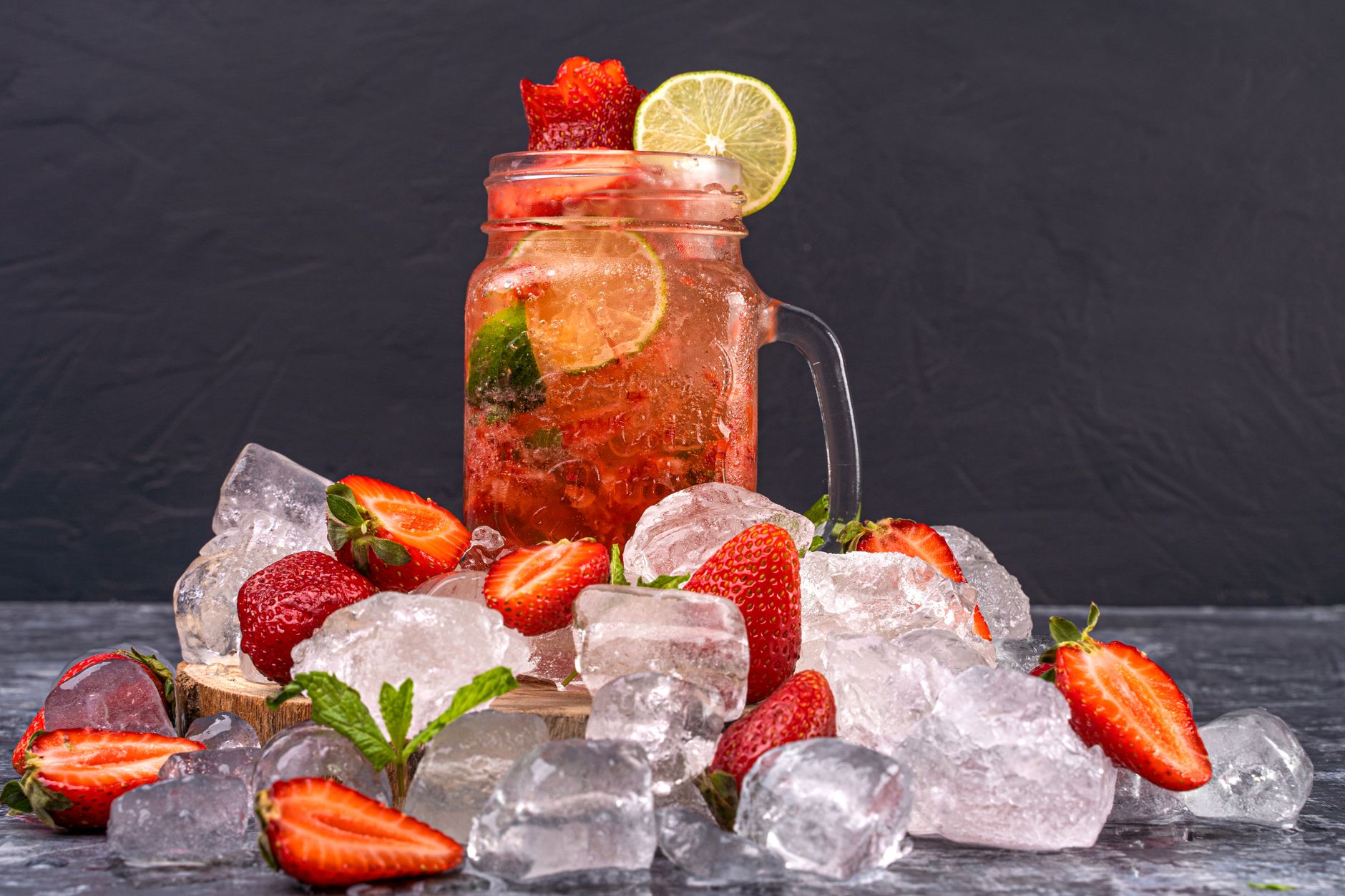
Passion tea is a vibrant and aromatic beverage that has captured the hearts of tea lovers around the world. Known for its striking flavor and bright color, it is often made from a blend of herbal ingredients, primarily hibiscus and various fruits. This article will delve into the ingredients, flavor profile, and serving suggestions for passion tea.
Whether you’re looking for a refreshing iced drink or a warm herbal infusion, passion tea offers a myriad of options for enhancing your beverage experience. Understanding its components and how to serve it can inspire you to incorporate this delightful tea into your daily routine.
What Is Passion Tea?
Passion tea refers to a herbal tea infusion primarily made from ingredients that impart a sweet, tangy flavor. The most recognizable version is often associated with the “Passion Tango Tea” served at popular coffee shops, which features a blend of hibiscus, lemongrass, and apple. This tea is caffeine-free and is celebrated for its vibrant red hue and refreshing taste.
Ingredients of Passion Tea
The classic passion tea uses a combination of several herbal ingredients to create a unique flavor. Here’s a breakdown of the common ingredients:
- Hibiscus: Dried hibiscus flowers are the primary ingredient, providing a tart, cranberry-like flavor and a beautiful deep red color.
- Lemongrass: This adds a fresh, citrusy note that brightens the tea’s flavor profile.
- Apple: Dried apple pieces lend natural sweetness and balance the tartness of hibiscus.
- Rosehips: These add a floral sweetness and a wealth of vitamins.
- Mango or Passionfruit: These can be included to enhance sweetness and provide additional tropical notes, depending on the variation.
- Stevia or other natural sweeteners: These are often added to adjust sweetness levels without overpowering the natural flavors.
Flavor Profile of Passion Tea
The flavor of passion tea is full-bodied and complex. The tartness from the hibiscus is the most prominent feature, complemented by the citrusy brightness of lemongrass. The apple adds a gentle sweetness that rounds out the sharp notes, making it a balanced and refreshing drink. Variations that include mango or passionfruit introduce tropical richness that can further elevate the experience.
This tea is best known for its refreshing quality, making it perfect for any time of day, particularly hot summer afternoons or as a caffeine-free evening beverage.
How to Prepare Passion Tea
Making passion tea at home is straightforward and requires minimal ingredients. Here is a simple recipe to help you prepare it:
Ingredients
- 4 cups of water
- 1/2 cup dried hibiscus flowers
- 1/4 cup dried lemongrass
- 1/4 cup dried apple pieces
- 1/4 cup dried rosehips (optional)
- Sweetener to taste (honey, sugar, or stevia)
Equipment
- Large pot
- Fine mesh strainer or cheesecloth
- Pitcher or large container for storing
- Measuring cups
Preparation Steps
- In a large pot, bring 4 cups of water to a boil.
- Add the dried hibiscus, lemongrass, apple pieces, and rosehips (if using) to the boiling water.
- Reduce heat to a simmer and cover the pot. Let it brew for about 15-20 minutes.
- After steeping, remove from heat and let it cool slightly.
- Strain the tea using a fine mesh strainer or cheesecloth into a pitcher to remove the solids.
- Add sweetener to taste, stirring until dissolved. If you prefer, chill the tea in the refrigerator at this stage.
- Serve immediately over ice for a refreshing iced passion tea or enjoy warm.
How to Serve Passion Tea
Serving passion tea can be flexible depending on the occasion. Here are several ideas to enhance your passion tea experience:
Iced Passion Tea
For a refreshing iced beverage, simply pour the brewed tea over a glass of ice. You can garnish with fresh fruit slices like lemon, lime, or berries for a pop of color and flavor. Try experimenting with fresh herbs like mint for an aromatic touch.
Hot Passion Tea
To enjoy passion tea hot, simply serve it in a teacup straight after brewing. You can add a slice of lemon for tang or a dash of honey for extra sweetness.
Cocktails and Mocktails
Use passion tea as a base for cocktails or mocktails. Mix it with soda water for a fun fizz or combine it with your favorite spirit, like vodka or rum, over ice for a tropical drink. Adding fresh fruit or spritzing with sparkling water can also elevate the drink, perfect for a summer gathering or evening relaxation.
Health Benefits of Passion Tea
While passion tea is primarily enjoyed for its flavor, it also offers several health benefits attributed to its primary ingredient, hibiscus. Hibiscus tea is rich in antioxidants, which may help support heart health and lower blood pressure. Additionally, hibiscus may improve digestion and has antibacterial properties.
However, it’s important to note that individual results may vary, and anyone considering consuming hibiscus or herbal teas for health reasons should consult a healthcare professional.
Variations and Substitutions
Passion tea can be customized to suit personal tastes or dietary restrictions. Here are some ideas to consider:
Fruity Variations
If you’re looking to explore different flavors, consider adding dried fruit pieces like mango, peach, or even pineapple. Each fruit will provide a different sweetness profile that can enhance the overall flavor of the tea.
Herbal Alternatives
Instead of lemongrass, you can opt for other herbal ingredients like ginger or mint, which would add a unique twist while still complementing the hibiscus base. Ginger provides a spicy warmth that can be delightful in colder months, while mint adds a refreshing coolness.
Sweetener Substitutions
If you want to reduce calories or utilize natural sweeteners, alternatives like agave syrup, maple syrup, or even stevia can be used to adjust sweetness levels. Keep in mind that each sweetener has its own flavor nuances, which can affect the finished taste of your tea.
Common Mistakes and Troubleshooting
Here are a few common mistakes to watch out for when preparing passion tea:
- Oversteeping: Leaving the tea to steep for too long can lead to an overly bitter taste. Stick to the indicated steeping time of 15-20 minutes.
- Not straining properly: Ensure you strain the tea well to avoid sediment in your final beverage. Using a fine mesh strainer will help capture all small particles.
- Wrong sweetener amounts: Start with a small amount of sweetener before adjusting to taste. It’s easier to add more sweetener than it is to correct an overly sweet tea.
Storage and Reheating Guidelines
If you prepare a larger batch of passion tea, here are some tips for storage:
- Refrigeration: Passion tea can be stored in the refrigerator in an airtight container for up to 5 days. Ensure it is cooled completely before sealing.
- Reheating: If you prefer to enjoy your tea hot, you can reheat it in a small pot over low heat or in a microwave until warm, but avoid boiling it again as this can alter the flavor.
Conclusion
Passion tea is not only a refreshing beverage but also a versatile and customizable drink that can suit any time of day. With its delightful balance of tart and sweet flavors, along with a variety of serving options, it is a fantastic addition to your beverage repertoire.
Try preparing your own passion tea at home, experiment with different flavor variations, and enjoy this beautiful beverage whether served hot or iced. Explore your culinary creativity by incorporating passion tea into drinks, desserts, or even your favorite cocktail recipes.
To learn more about related recipes, consider checking out our Chai Concentrate Recipe or refreshing Strawberry Acai Refresher Recipe.