
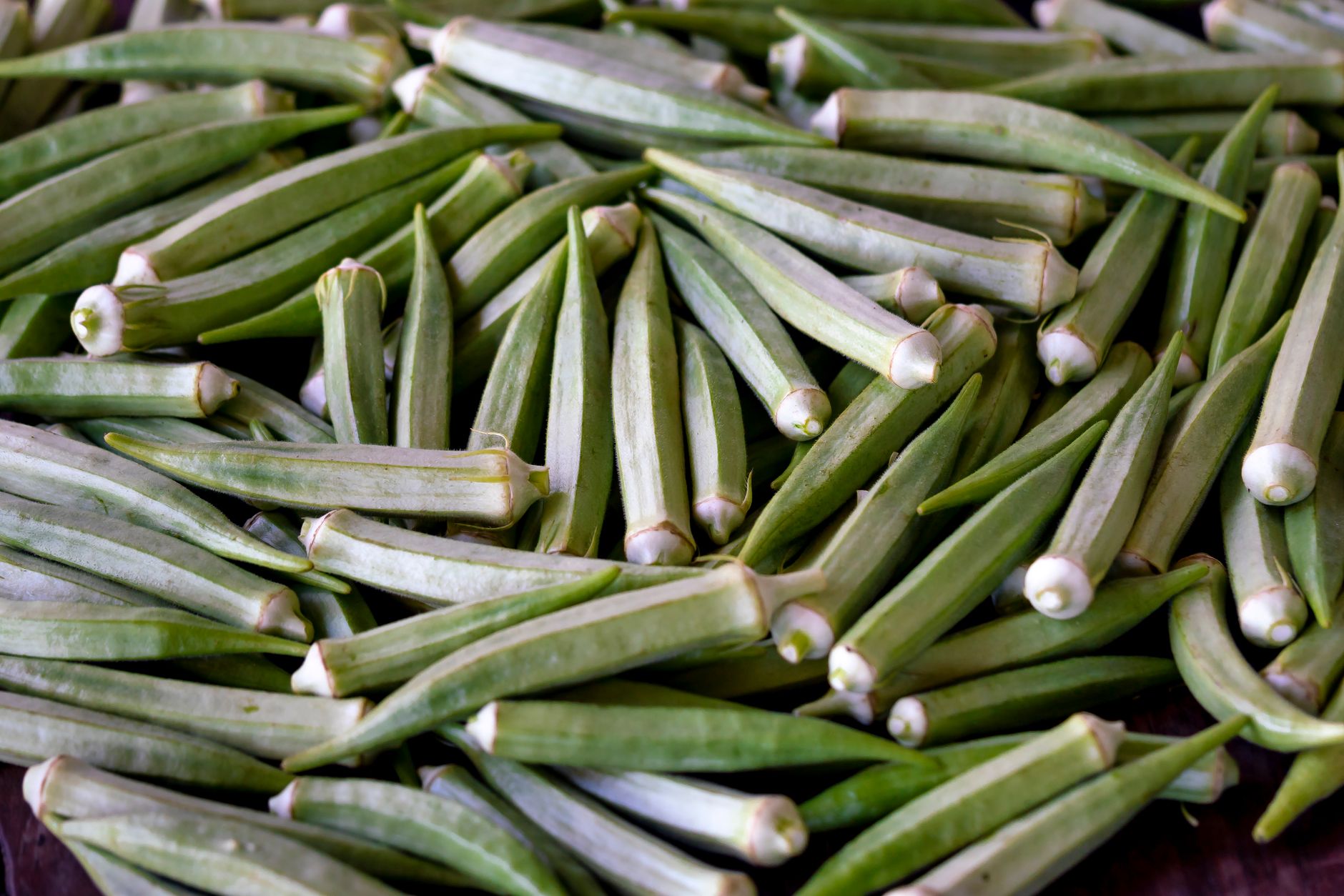
Okra is a vibrant, green vegetable commonly associated with Southern cooking, though its origins trace back to Africa and South Asia. Known for its unique texture and flavor, okra is a versatile ingredient that can elevate a wide variety of dishes. But what exactly is okra good for?
This article explores the nutritional benefits of okra, its culinary uses, and some tips for preparing, storing, and cooking with this intriguing vegetable.
What Is Okra Good For?
Okra is good for being a rich source of vitamins, minerals, and antioxidants, contributing to overall health. It’s recognized for its potential benefits in supporting digestion, managing blood sugar levels, and promoting heart health. Additionally, okra is low in calories, making it an ideal choice for various diets.
Nutritional Profile of Okra
Understanding what makes okra beneficial starts with its impressive nutritional profile. Here’s a breakdown of the essential nutrients found in a 100-gram serving of raw okra:
- Calories: 33
- Protein: 2 grams
- Fat: 0.2 grams
- Carbohydrates: 7.5 grams
- Dietary Fiber: 3.2 grams
- Vitamin C: 23 milligrams (25% DV)
- Vitamin K: 31.3 micrograms (26% DV)
- Folate: 60 micrograms (15% DV)
- Magnesium: 57 milligrams (14% DV)
- Potassium: 299 milligrams (6% DV)
These nutrients are crucial for maintaining various bodily functions, including immune response, bone health, and nerve function.
Health Benefits of Okra
Beyond its nutritional composition, okra is associated with numerous health benefits. Here are some of the most significant:
1. Aids Digestion
Okra is high in dietary fiber, which is essential for a healthy digestive system. Fiber adds bulk to the stool, promoting regular bowel movements and preventing constipation. Additionally, fiber supports the growth of beneficial gut bacteria, contributing to digestive health.
2. Stabilizes Blood Sugar Levels
Research indicates that okra may help manage blood sugar levels, making it beneficial for individuals with diabetes. The fiber content can slow sugar absorption, contributing to more stable blood sugar levels. Some studies even suggest that okra extract may reduce blood sugar levels in diabetic rats.
3. Supports Heart Health
Okra’s high fiber, antioxidant, and magnesium content contributes to cardiovascular health. Fiber helps reduce cholesterol levels, while magnesium plays a role in maintaining healthy blood pressure. Furthermore, the antioxidants in okra combat oxidative stress, which is linked to heart disease.
4. Boosts Immune Function
The vitamin C content in okra supports the immune system by promoting the production of white blood cells, which help fend off infections. Additionally, the antioxidants in okra help protect cells from damage caused by free radicals.
5. Benefits Skin Health
Vitamin C and other antioxidants present in okra can also contribute to skin health. These nutrients may promote collagen production, improving skin elasticity and appearance. Furthermore, okra’s anti-inflammatory properties can aid in reducing skin irritation and redness.
Culinary Uses for Okra
Okra is a versatile ingredient that can be prepared in various ways. Here are some common culinary uses:
1. Fried Okra
A classic Southern dish, fried okra is often coated in cornmeal before frying, resulting in a crunchy texture. This preparation is perfect as a side dish or appetizer.
2. Gumbo
Okra is a signature ingredient in gumbo, a flavorful stew originating from Louisiana. It acts as a natural thickener while adding its distinct flavor and texture.
3. Pickled Okra
Pickling okra retains its crunch and adds a tangy flavor, making it an excellent snack or garnish for cocktails. It can be made easily at home.
4. Steamed or Sautéed
Okra can be steamed or sautéed to preserve its nutrients and vibrant color. It pairs beautifully with grains, legumes, and other vegetables.
5. Soups and Stews
Adding diced okra to soups and stews enriches the dish with flavor. Its ability to thicken liquids makes it a desirable addition to hearty recipes.
How to Prepare Okra
When preparing okra, there are a few steps to ensure you make the most of this vegetable’s unique flavor and texture:
Selecting Okra
When shopping for okra, look for vibrant green pods that are firm and unblemished. Avoid any pods that are too large or tough, as they may have a woody texture.
Cleaning Okra
To clean okra, rinse it under cold water to remove any dirt. Pat it dry with a paper towel or a clean kitchen cloth.
Trimming Okra
Using a sharp knife, trim the stem ends of the okra pods. If you prefer smaller pieces, you can cut the pods into rounds or slices as needed for your recipe.
Cooking Techniques
Okra can take on various cooking techniques, including frying, roasting, or boiling. When sautéing or frying, it’s vital to use a hot pan to reduce sliminess and achieve a crispy texture.
Storing Okra
Proper storage of okra helps maintain its freshness and quality:
Refrigeration
Store unwashed okra in a paper bag in the refrigerator’s crisper drawer. This method helps control moisture and prolongs the freshness of the vegetables. Use fresh okra within 2 to 3 days for the best quality.
Freezing Okra
If you have excess okra, consider freezing it. Blanch the pods in boiling water for 3 minutes, then transfer them to an ice bath to stop the cooking process. After cooling, drain and freeze the pods in airtight containers or freezer bags.
Practical Tips for Cooking with Okra
Cooking with okra can yield delicious results if you keep a few practical tips in mind:
Avoid Sliminess
Okra is known for its slimy texture, which can be off-putting to some. To reduce sliminess, you can try the following:
- Use very high heat when frying or sautéing.
- Cook okra with acidic ingredients, such as tomatoes or vinegar, which can help mitigate the slimy texture.
- Avoid overcooking, as this can increase sliminess.
Experiment with Spices
Okra has a mild flavor that can complement a variety of spices and seasonings. Experiment with seasoning blends that match your taste preferences or the cuisine you’re preparing.
Blend with Other Vegetables
Okra pairs well with other vegetables, enhancing the overall flavor profile of a dish. Consider combining it with bell peppers, onions, or tomatoes for a more complex dish.
Common Mistakes When Cooking Okra
Here are some common mistakes to avoid when preparing okra:
1. Overcooking
Cooking okra for too long may result in a mushy texture and increased sliminess. Sauté or steam it just until tender for the best results.
2. Ignoring Freshness
Using old or wilted okra can lead to an undesirable taste and texture. Always check for freshness before cooking.
3. Not Cleaning Properly
Always clean okra to remove any debris before cooking, as dirt can affect the flavor of your dish.
Delicious Okra Recipe to Try
If you’re eager to start cooking with okra, here’s a simple and tasty recipe to try: Fried Okra.
Fried Okra Recipe
This delicious snack or side dish brings out the best in okra by adding a crispy coating. It’s perfect for any gathering!
Ingredients
- 500 grams fresh okra, cleaned and trimmed
- 1 cup cornmeal
- 1 cup all-purpose flour
- 1 teaspoon salt
- 1/2 teaspoon black pepper
- 1/2 teaspoon paprika (optional)
- Oil for frying
Method
- In a large bowl, combine cornmeal, flour, salt, black pepper, and paprika. Mix well.
- Working in batches, add the okra to the mixture, coating each piece evenly.
- Heat oil in a deep skillet or pot over medium-high heat until hot but not smoking.
- Fry the okra in small batches for about 3-4 minutes or until golden brown.
- Using a slotted spoon, transfer the fried okra to a paper towel-lined plate to drain excess oil.
- Serve warm as a snack or side dish.
Conclusion
Okra serves as a nutritious vegetable with a multitude of health benefits and various culinary uses. Whether you prefer it fried, pickled, or in a gumbo, there’s no doubt that okra can add excitement to your meals. Don’t be afraid to experiment with this unique ingredient and discover its versatility in your kitchen.
Explore related recipes, cooking tips, and food guides, such as our pickled okra recipe or find out how to make a delicious bhindi recipe incorporating this wonderful vegetable.