
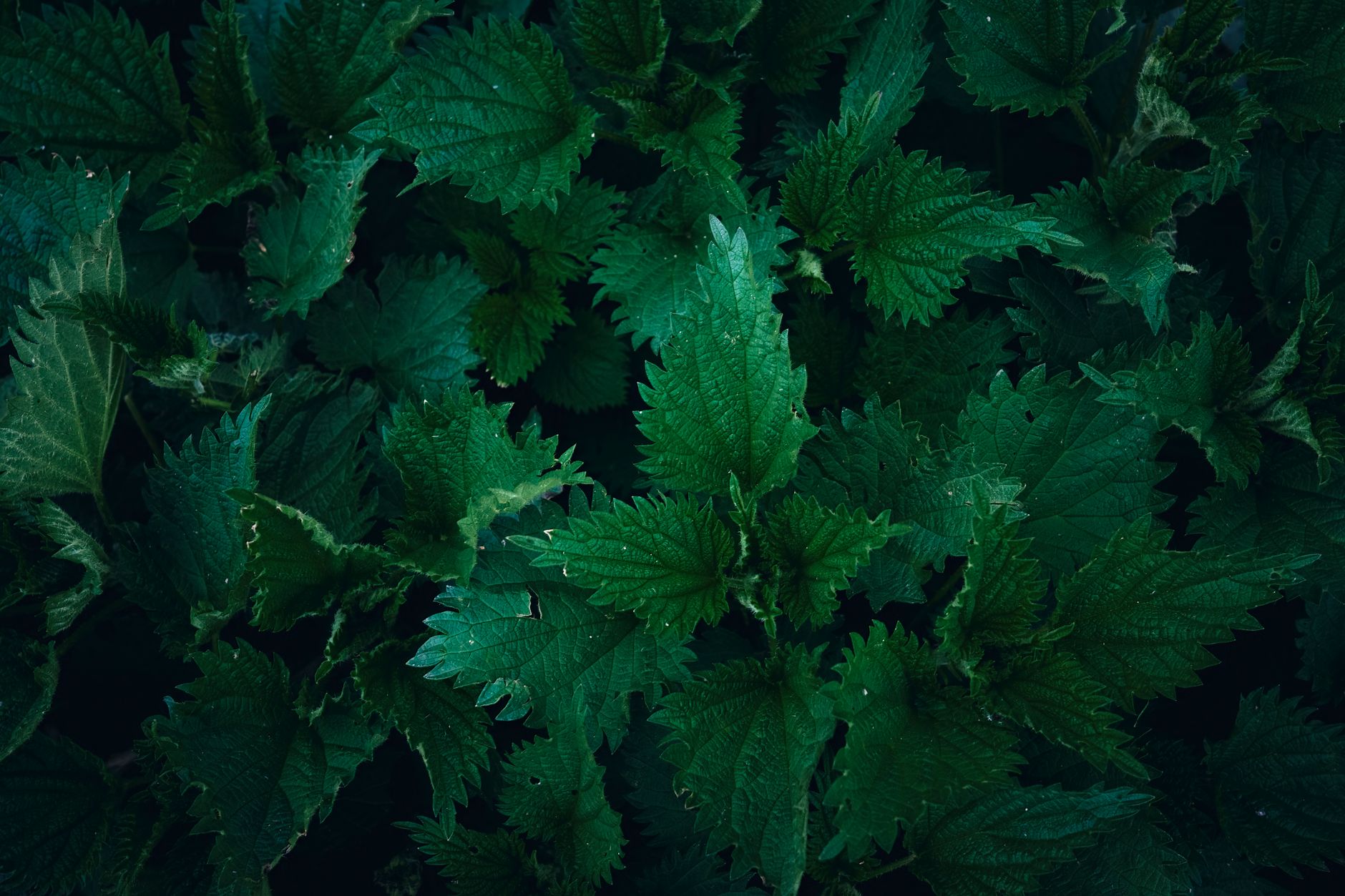
Nettles, often encountered in wild foraging, are nutritious plants famed for their unique flavor and various culinary applications. While many may dismiss this leafy green due to its stinging hairs, nettles are a versatile ingredient with a rich history in cooking and folk medicine. Understanding what nettles are, how to utilize them, and their distinct flavor contributes to a more adventurous palate and a wider culinary repertoire.
This guide will explore the ingredients, flavor, nutritional profile, and serving suggestions for nettles, along with tips on how to handle and cook them safely. From soups to pesto, nettles can enhance dishes with their earthy yet vibrant taste.
What Is Nettles?
Nettles, scientifically known as Urtica dioica, are perennial plants commonly found in temperate regions across the world. They thrive in rich, moist soil and often grow in abundance near farmland, riverbanks, or wooded areas. Typically characterized by their serrated green leaves and stinging hairs, nettles can deliver quite a painful sting if touched without protection. However, these hairs are neutralized through cooking or drying, allowing their flavorful and nutritious benefits to be enjoyed.
Ingredients Found in Nettles
Nettles are packed with essential vitamins and minerals while boasting a high nutritional value. Here are some of the notable ingredients found in nettles:
- Vitamins: Nettles are rich in vitamins A, C, K, and several B vitamins, which contribute to overall health and wellness.
- Minerals: They contain iron, calcium, magnesium, potassium, and phosphorus, making them a good addition for maintaining healthy bones and blood.
- Antioxidants: Nettles are known for their antioxidant properties, which help to combat oxidative stress in the body.
- Protein: While not a primary protein source, nettles do contain amino acids contributing to overall nutritional intake.
Flavor Profile of Nettles
Nettles offer a robust flavor that is often described as earthy, grassy, and slightly herbaceous. When cooked, they develop a more subdued, savory profile akin to spinach or cooked kale, making them an excellent addition to various dishes.
The flavor of nettles can vary based on maturity and the environment in which they are grown. Young, tender leaves have a milder flavor, while older leaves can exhibit a stronger, more peppery taste. This variability allows for creative culinary applications across different recipes.
How to Serve Nettles
With their flavor and nutritional benefits in mind, nettles can be prepared and served in numerous ways. Here are some popular serving suggestions:
Soups and Broths
Nettles make an excellent addition to soups and broths. Some culinary enthusiasts recommend using nettles in place of spinach in your favorite vegetable soup or creating a nettle soup by sautéing onions and garlic, adding in stock, and simmering with nettles.
Pesto
Combine blanched nettles with nuts, olive oil, garlic, and cheese to whip up a flavorful nettle pesto. This can be used as a sauce over pasta, a spread on bread, or a dip for vegetables.
Salads
Once cooked or blanched, nettles can also be tossed into salads for a nutritious boost. Combining them with other greens and classic salad ingredients offers a wholesome and unique texture.
Stir-fries and Sautés
Nettles can be added to stir-fries or sautés involving other vegetables, providing not only flavor but also added texture and nutrients.
Herbal Teas
Dried nettles can serve as a base for herbal teas. Infusing dried nettles in hot water allows for extraction of the plants’ beneficial properties, resulting in a nutritious and earthy tea.
How to Prepare Nettles
Before you can enjoy nettles, it’s essential to prepare and cook them correctly. Below is a comprehensive guide to properly handle nettles, ensuring you can safely enjoy their flavor.
Selecting Nettles
When foraging for nettles, the best time to collect them is during early spring when the leaves are young and tender. Look for bright green leaves without blemishes or signs of disease. Always wear gloves when handling fresh nettles to avoid stinging.
Cleaning Nettles
Once collected, rinse the nettles under cool water to remove dirt and insects. It’s advisable to do this in a sink rather than a bowl to help shake off any unwanted debris. After rinsing, shake off excess water before cooking.
Cooking Nettles
Cooking is crucial for neutralizing nettles’ stinging hairs. Here are several methods:
- Blanching: Bring a pot of salted water to a boil, add the nettles, and cook for 1 to 2 minutes before transferring them to an ice bath. This method preserves color and retains flavor.
- Sautéing: Sauté nettles in olive oil or butter with garlic and onions for a delightful accompaniment.
- Steaming: Steaming nettles maintains more of their flavor and nutrients, taking 3 to 5 minutes until tender.
Common Mistakes When Handling Nettles
While cooking with nettles can be rewarding, there are some common mistakes to avoid:
- Forgetting Gloves: Always wear gloves when handling fresh nettles to prevent stinging. Even after cooking, be careful when handling until you are sure they are safe.
- Using Old Nettles: Avoid harvesting nettles that have flowered or become coarse. These older plants may have a stronger flavor and tougher texture that may not be desirable.
- Neglecting Safety Precautions: When preparing fresh nettles, be aware of your surroundings and ensure proper storage and cleaning processes are adhered to.
Recipe Ideas Featuring Nettles
For those looking to dive into cooking with nettles, here are a few accessible recipe ideas:
Nettle Soup
This simple and nourishing nettle soup highlights the flavor of the greens.
Ingredients:
- 1 onion, chopped
- 2 cloves garlic, minced
- 4 cups vegetable broth
- 4 cups fresh nettles, stems removed
- 2 medium potatoes, peeled and diced
- Salt and pepper, to taste
- Olive oil for sautéing
Instructions:
- In a large pot, heat olive oil over medium heat. Add the onions and garlic, cooking until softened.
- Add the diced potatoes and stir for 2-3 minutes. Pour in the vegetable broth and bring to a boil.
- Once boiling, reduce to a simmer until the potatoes are soft, about 15 minutes.
- Add the nettles and cook for an additional 5 minutes. Season with salt and pepper.
- Use a blender to purée the soup until smooth. Serve warm, drizzled with olive oil if desired.
Nettle Pesto
This pesto adds a unique twist to traditional recipes.
Ingredients:
- 2 cups blanched nettles
- 1/2 cup nuts (pine nuts, walnuts, or almonds)
- 1/2 cup grated Parmesan cheese
- 2 cloves garlic
- 1/2 cup olive oil
- Salt and pepper, to taste
Instructions:
- Combine nettles, nuts, Parmesan, and garlic in a food processor. Blend until well combined.
- While the processor is running, add olive oil until you reach your desired consistency.
- Season with salt and pepper. Mix well and store in an airtight container in the refrigerator.
Storage and Preservation of Nettles
Nettles can be stored in the refrigerator for a few days subject to proper handling. Here are some essential storage tips:
- Fresh Nettles: Wrap fresh nettles in a damp paper towel and place them in a plastic bag before placing them in the refrigerator.
- Frozen Nettles: Blanch first and then freeze in airtight containers or freezer bags, allowing for later use in soups and stews.
- Dried Nettles: To dry, hang them upside down in a dehydrator or a well-ventilated area. Once dried, store in an airtight container away from sunlight.
Herbal Teas with Dried Nettles
Dried nettles can be steeped to create herbal teas, which are excellent for hydration and provide a gentle boost of nutrients. Simply steep 2 teaspoons of dried nettle leaves in boiling water for 5 to 10 minutes for a soothing drink.
Nettle Wine and Vinegar
In traditional practices, nettles have been used to create unique beverages such as nettle wine and nettle vinegar. These products harness the strong flavor of nettles and often require fermentation processes, typically suited for those with some experience in beverage production.
Dietary Considerations and Safety
While nettles are generally considered safe for most people, those with allergies to plants in the Urticaceae family should exercise caution. Pregnant or breastfeeding individuals should consult a healthcare professional before incorporating nettles into their diet due to the lack of extensive studies on safety in these populations.
Conclusion
Nettles are a remarkable ingredient that combines nutritional benefits with unique flavors, often overlooked in modern cuisine. From soups and pestos to teas and other preparations, nettles present an excellent opportunity to introduce more variety and a touch of nature into your meals. Don your gloves, venture into your local wild areas, and embrace nettles as a delicious and healthful addition to your cooking repertoire.
For more cooking inspiration, explore our Dandelion Greens Recipe and check out our Chia Pudding Recipe with Coconut Milk for nutritious options that celebrate nature’s bounty.