
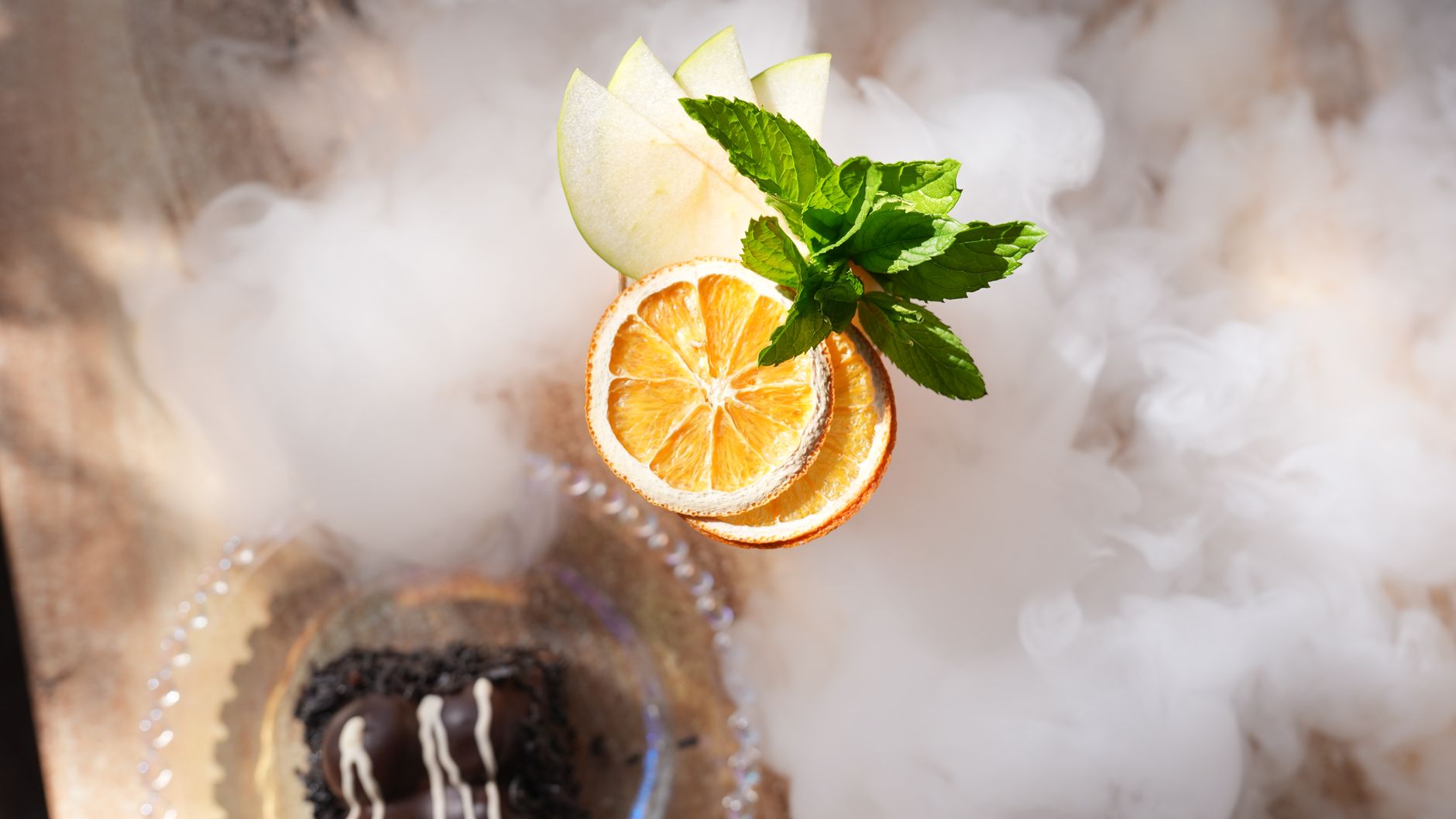
Natural smoke flavor is a culinary ingredient that captures the essence of smoky aroma and taste without the need for traditional smoking methods. This ingredient has gained popularity in various food products, enhancing flavors while providing a convenient alternative for cooks looking to add depth without extensive equipment or time.
With its versatility, natural smoke flavor is used in everything from meats and marinades to vegetarian dishes, providing a satisfying umami character that can invigorate any meal. Understanding natural smoke flavor, its applications, and how to utilize it effectively can elevate your cooking game.
What Is Natural Smoke Flavor?
Natural smoke flavor is derived from real wood smoking processes, where wood is burned to create smoke. This smoke is then collected, condensed, and processed into a liquid form that retains the essential flavor compounds. Unlike artificial smoke flavors, which may contain synthetic chemicals, natural smoke flavor stays true to the aromas and tastes of actual wood smoke.
Brands often produce natural smoke flavor using various types of wood, such as hickory, mesquite, apple, and cherry, each contributing unique flavors. The result is a concentrated liquid that can be easily incorporated into a multitude of dishes.
Flavor Profile of Natural Smoke Flavor
The flavor profile of natural smoke flavor is complex, bringing its distinctive earthy, rich, and slightly sweet notes. Depending on the type of wood used, the flavor can range from mild and fruity to strong and bold. For instance:
- Hickory: Strong and savory, perfect for meats.
- Mesquite: Bold with a slightly sweet and spicy kick, excellent for barbecued dishes.
- Applewood: Milder, fruity flavor, often compliments poultry and pork.
- Cherry: Sweet and delicate, pairs well with both meats and vegetables.
Texture and Mouthfeel
While natural smoke flavor primarily impacts taste, it can also influence the overall sensory experience of a dish. The addition of smoke can enhance the mouthfeel, making it feel heartier and more robust. This sensation is particularly notable in meats and rich dishes, where the smoky notes can add depth and complexity.
Applications of Natural Smoke Flavor
Natural smoke flavor can be used in a wide variety of culinary applications, making it an incredibly versatile ingredient. Here are some popular ways to incorporate it into your cooking:
Marinades and Rubs
Natural smoke flavor can be mixed into marinades and rubs for meats, enhancing their flavor before cooking. Combine it with oil, vinegar, and spices to create a rich marinade that infuses smoky notes into chicken, beef, or pork.
Soups and Stews
Add a few drops of natural smoke flavor to hearty soups and stews to give them a background warmth and richness. It works especially well in bean soups and chili, where the smokiness can complement the spices and other ingredients.
Vegetarian and Vegan Dishes
Whether you’re preparing grilled vegetables, tofu, or legumes, natural smoke flavor can enhance plant-based dishes. Use it in marinades for grilling or incorporate it into sauces for an added depth that makes vegetarian meals more satisfying.
Condiments and Sauces
Incorporating natural smoke flavor into sauces, such as barbecue sauce or salad dressings, can create unique flavor profiles that surprise and delight the palate. It’s a simple way to enhance classic recipes withan exciting twist.
Cheeses and Spreads
Natural smoke flavor can also elevate cheeses and spreads. Consider incorporating it into cream cheese or dairy-free alternatives for a smoky bagel spread, or use it to flavor cheese sauces.
How to Use Natural Smoke Flavor
Using natural smoke flavor is generally straightforward, but it’s essential to incorporate it thoughtfully to avoid overpowering your dish. Here are some guidelines for effectively using this ingredient:
- Start Small: Use a few drops initially, as the flavor can be potent. You can always add more if needed.
- Combine with Other Flavors: Mix natural smoke flavor with complementary ingredients like herbs and spices to create a well-rounded taste.
- Consider Cooking Method: If you’re adding natural smoke flavor to grilled or roasted items, consider adding it at different stages of cooking. Adding it earlier will allow the flavor to meld, while adding it later contributes a more distinct smoky note.
Practical Substitutions for Natural Smoke Flavor
If you find yourself without natural smoke flavor on hand, here are some alternative ingredients that can mimic its smoky taste:
- Smoked Paprika: Offers a mild smokiness. Use in rubs or stews for an earthy flavor.
- Liquid Smoke: Similar to natural smoke flavor, but be cautious with the quantity to avoid overpowering your dish.
- Smoked Sea Salt: Can add a smoky taste to meats or vegetables, perfect for seasoning before cooking.
- Grilled Ingredients: Grilling ingredients can infuse dishes with a natural smoke essence, useful for smoky dips or salsas.
Common Mistakes When Using Natural Smoke Flavor
There are a few pitfalls to avoid when working with natural smoke flavor to ensure you achieve the desired results:
- Overuse: Adding too much natural smoke flavor can lead to overpowering flavors. Always err on the side of caution and add it incrementally.
- Forgetting to Balance: Smoky flavors can dominate dishes, so remember to balance with acidic or sweet elements to create depth.
- Using Cheap Products: Not all natural smoke flavors are created equal. Look for high-quality brands that prioritize natural ingredients.
Storage and Shelf Life
Natural smoke flavor should be stored in a cool, dark place, ideally in a tightly sealed container to preserve its potency. While shelf life can vary depending on the specific product, it’s generally best used within a year of opening. Always check for any changes in smell or color before use.
Flavor Pairings with Natural Smoke Flavor
Knowing which ingredients pair well with natural smoke flavor can help enhance your culinary creations:
- Meats: Works beautifully with beef, pork, chicken, and fish.
- Vegetables: Cauliflower, mushrooms, and green beans particularly absorb the smoky essence.
- Grains and Legumes: Adds dimension to rice, quinoa, and beans.
- Dairy: Pairs well with creamy cheeses and yogurt, transforming them into smoky delights.
Far Beyond Barbecue
While natural smoke flavor is a favorite in barbecue dishes, its uses extend well beyond. Incorporating it in different culinary contexts brings richness to various cuisines, from smoky Moroccan tagines to hollandaise sauce infused with a hint of hickory.
This ingredient can even shine in desserts. Flavoring chocolate with a hint of natural smoke can create intriguing desserts, such as smoky chocolate mousse or smoked vanilla ice cream, introducing an unexpected element of surprise.
Exploring Smoky Trends in Culinary Culture
The trend of using natural smoke flavor reflects broader gastronomic movements where chefs and home cooks alike seek unique flavor profiles and fusion cuisines. Exploring how different cultures utilize smoke in their cooking can provide inspiration. For example:
- Spanish Cuisine: Smoked paprika is a hallmark, featured in chorizo and various tapas.
- Asian Cuisine: The use of char siu sauce in Chinese dishes provides a depth of flavor through its smoky undertones.
- Native American Cooking: Authentic smoked meats and fish demonstrate a longstanding tradition of using smoke for flavor preservation and enhancement.
Final Thoughts
Natural smoke flavor is an exciting ingredient that can bring dimension and intrigue to your cooking. Understanding how to use it effectively opens up a world of culinary possibilities, enhancing everything from savory dishes to unexpected desserts. Whether you’re a home cook or a seasoned chef, there’s always room to explore the smoky side of flavor.
With its ease of use and remarkable versatility, consider giving natural smoke flavor a try in your next cooking adventure. Think about how it can elevate your dishes and bring family and friends to the table, savoring every smoky bite.
For those interested in expanding their smoky flavor repertoire, you might want to check out classic recipes like Turkey Brine for Smoking or Smoked Beef Ribs for the perfect smoky meal experience.