
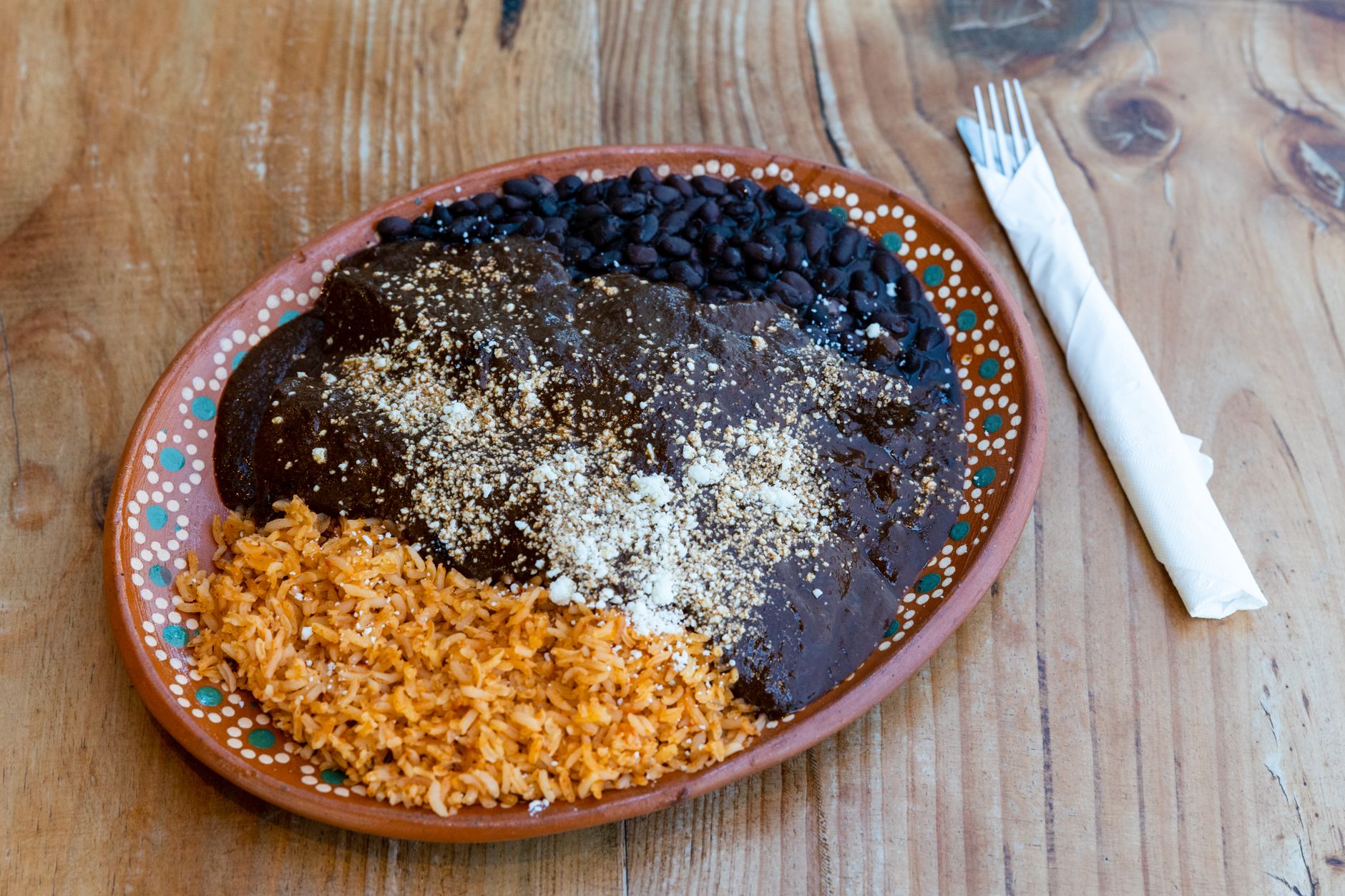
Mexico’s national dish is a vibrant symbol of its rich culinary heritage, deeply rooted in cultural traditions, history, and diversity. Among the various staples beloved by the Mexican people, one dish stands out: mole. This complex sauce made from a blend of various ingredients represents the heart and soul of Mexican cuisine.
In this article, we’ll explore mole’s rich background, its traditional uses, ingredients, and how to cook a classic mole dish. We’ll also discuss variations and practical tips to help you embrace this quintessential Mexican delicacy in your kitchen.
What Is Mexico’s National Dish?
The national dish of Mexico is mole, an intricate sauce typically made from a mix of chiles, spices, nuts, seeds, and chocolate. It is often served over chicken or turkey, making for an unforgettable experience that balances flavors from sweet to savory. The word “mole” is derived from the Nahuatl term “molli,” meaning sauce, showcasing its ancient roots.
The Historical Context of Mole
The origins of mole date back to pre-Hispanic times, where indigenous communities crafted sauces with native ingredients. These sauces would eventually evolve into the more complex versions we enjoy today. The Spanish colonization brought new spices and ingredients, such as chocolate, which profoundly influenced mole’s flavor profile.
Over time, mole became a staple in Mexican households and is often prepared for special occasions such as weddings and festivals. Different regions of Mexico boast their own unique versions of mole, each reflecting the local culture and ingredients available.
Exploring the Different Types of Mole
Mole comes in various forms, each with distinct flavors, ingredients, and traditions. Here are the most notable types of mole:
- Mole Poblano: This is perhaps the most famous and widely recognized variety. Originating from Puebla, it combines chocolate, chili peppers, nuts, and spices.
- Mole Verde: A fresh green mole made using tomatillos, cilantro, and pumpkin seeds, often served with chicken or pork.
- Mole Rojo: A red mole made with dried red chiles, tomatoes, and aromatics. It has a deep and rich flavor.
- Mole Negro: This variant features a mix of dark chiles and spices, providing a rich, smoky, and slightly sweet taste.
- Mole Amarillo: A yellow mole made with yellow chiles and sometimes infused with citrus flavors, producing a zesty finish.
Key Ingredients in Mole
The complexity of mole comes from its numerous ingredients. While there are different recipes depending on the region and personal preferences, several common elements typically define mole:
- Chili Peppers: Different types of chiles, such as ancho, pasilla, and guajillo, are essential for depth and heat.
- Nuts and Seeds: Almonds, peanuts, sesame seeds, or pumpkin seeds often serve to thicken and enrich the sauce.
- Herbs and Spices: Various herbs like cilantro or oregano, along with spices like cinnamon and cumin, enhance flavor.
- Tomatoes and Tomatillos: Often included for acidity, tomatoes and tomatillos balance the richer ingredients.
- Chocolate: Dark chocolate, a unique attribute of mole, adds depth and complexity, contributing to its distinctive flavor.
Cooking Mole: Essential Equipment
To create a traditional mole, having the right kitchen tools can make the process easier and more enjoyable. Here are essential items for cooking mole:
- Comal or Grill: A flat cooking surface for toasting spices and chiles, enhancing their flavors.
- Blender or Food Processor: For blending the ingredients into a smooth sauce.
- Large Pot or Dutch Oven: For simmering the mole sauce.
- Wooden Spoon: Ideal for stirring ingredients, especially during the cooking process.
- Measuring Cups and Spoons: To ensure precise ingredient quantities for a balanced flavor.
How to Make Classic Mole Poblano
Mole Poblano is a great entry point for those wanting to explore the national dish of Mexico. Here is a simple recipe to get you started.
Yield: Approximately 4-6 servings
Preparation Time: 30 minutes
Cooking Time: 2 hours
Total Time: 2 hours 30 minutes
Ingredients:
- 4 dried ancho chiles
- 4 dried guajillo chiles
- 2 tbsp sesame seeds
- 1/4 cup almonds
- 2 tbsp vegetable oil
- 1 medium onion, chopped
- 3 cloves garlic, minced
- 1 can (15 oz) diced tomatoes
- 2 cups chicken broth
- 1/2 cup dark chocolate, chopped
- 1 tsp cinnamon
- 1 tsp cumin
- Salt and black pepper to taste
Step-by-Step Method
- Prepare the chiles by removing the stems and seeds. In a dry comal, toast the chiles over medium heat for about 2-3 minutes until they become fragrant.
- In the same comal, toast the sesame seeds and almonds until golden brown, about 2-3 minutes. Be careful not to burn them.
- In a large pot, heat the vegetable oil over medium heat. Add the chopped onion and garlic, sautéing until translucent and fragrant, about 5 minutes.
- Add the toasted chiles, sesame seeds, almonds, and diced tomatoes to the pot. Stir well to combine.
- Pour in the chicken broth, along with the cinnamon and cumin. Bring the mixture to a simmer, then reduce the heat and let it cook for about 30 minutes.
- Once cooked, transfer the mixture to a blender or food processor, and blend until smooth. If it’s too thick, add more chicken broth to achieve the desired consistency.
- Return the blended mole to the pot, adding the chopped dark chocolate, salt, and pepper. Cook over low heat for an additional 20-30 minutes, stirring occasionally to prevent sticking.
- Serve the mole over cooked chicken or turkey, garnished with extra sesame seeds if desired.
Serving Suggestions and Side Dishes
Mole Poblano is often served with rice or corn tortillas, which help soak up the rich sauce. Consider pairing your dish with:
- Spanish rice
- Black beans
- Simple green salad with avocado and lime
- Cornbread or pan de muerto for a touch of tradition
Substitutions and Variations
Cooking mole doesn’t have to be intimidating, and there are several substitutions or variations you can explore:
- Meat Alternatives: Instead of chicken or turkey, consider using steak, pork, or even vegetables like zucchini for a vegetarian twist.
- Different Nuts: While almonds are traditional, you can substitute with walnuts or peanuts for your desired taste.
- Sweeteners: If you prefer a sweeter mole, consider adding a touch of sugar or additional chocolate.
- Low-Carb Options: For a low-carb variant, serve mole over zucchini noodles or cauliflower rice.
Common Mistakes to Avoid
Creating a delightful mole can be tricky. Here are common pitfalls to avoid:
- Overtoasting Chiles: Be cautious when toasting; burnt chiles can make the mole bitter.
- Not Blending Enough: Ensure the mole is smooth; a chunky texture will impact the overall experience.
- Underseasoning: Taste as you go, adjusting salt and spices to achieve a well-balanced flavor.
Storage and Reheating Guidance
Mole can be made ahead of time and stored. Here are some tips:
- Storage: Store leftover mole in an airtight container in the refrigerator for up to one week or freeze for up to three months.
- Reheating: Gently reheat in a pot over low heat, adding a splash of chicken broth if it has thickened too much.
Embracing Mole in Your Kitchen
Mole stands out not only as a national dish but also as a profound expression of Mexican culture and history. Making mole can be a bonding experience with family and friends, allowing everyone to partake in a delicious and time-honored tradition.
By understanding the components and embracing this versatile sauce, you can take your culinary skills to new heights. Whether you stick with the classic mole poblano or experiment with regional variations, the dish will surely dazzle your taste buds and those of your guests.
For those looking to expand their Mexican food repertoire, consider exploring other delightful recipes. Check out our Mexican Chicken Salad Recipe or learn how to make Flautas for more authentic flavors.