
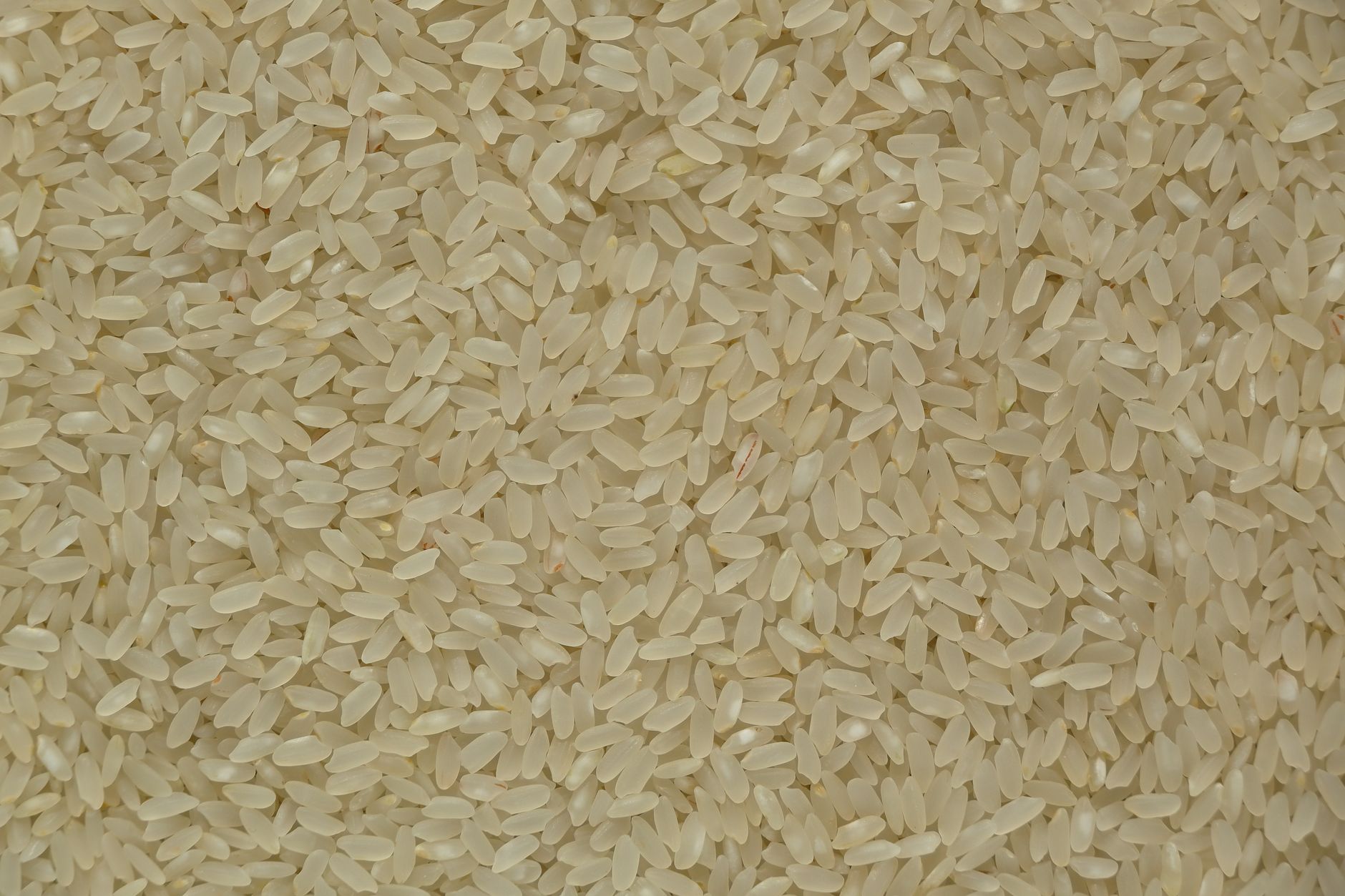
Long grain rice is a popular staple around the world, known for its slender, elongated grains and distinct texture. While it is commonly used in various culinary traditions, understanding its properties, uses, and performance in the kitchen can elevate your cooking experience and dish presentation.
This article delves deep into long grain rice, exploring its taste, texture, different varieties, kitchen uses, and tips for cooking and storing. Whether you are a seasoned cook or just starting, this guide will enhance your understanding and help you incorporate long grain rice into your meals effectively.
What Is Long Grain Rice?
Long grain rice refers to a variety of rice characterized by long, slender kernels that remain separate and fluffy when cooked. The grains are typically about four to five times longer than they are wide, resulting in a light and airy texture that is ideal for various dishes. Its mild flavor makes it a versatile base for many cuisines, from savory stir-frys to sweet puddings.
Taste and Texture of Long Grain Rice
The taste of long grain rice is subtle and slightly nutty, which allows it to blend well with various ingredients and flavors. When cooked properly, the rice grains remain firm, fluffy, and separate rather than sticky, which is a hallmark of overcooked or high-starch varieties.
Flavor Profiles
Long grain rice has a neutral flavor profile, allowing it to absorb the flavors of sauces, herbs, and spices effectively. This makes it an excellent foundation for flavorful dishes, such as curries, stir-fries, and casseroles.
Cooking Characteristics
When cooked according to proper techniques, long grain rice results in soft yet distinct grains. It does not typically clump together, making it particularly suitable for side dishes, pilafs, and salads. Overcooking or using too much water can lead to a gummy texture, so it’s essential to monitor cooking times and water ratios.
Varieties of Long Grain Rice
There are several different types of long grain rice, each with its characteristics and culinary applications. Below are some of the most common varieties you may encounter:
- Basmati Rice: Originating from the Indian subcontinent, basmati rice is known for its aromatic fragrance and fluffy texture. It is commonly used in pilafs, biryanis, and as an accompaniment to curries.
- Jasmine Rice: A fragrant rice variety from Thailand, jasmine rice has a slightly sticky texture and is often used in Southeast Asian cuisines. The subtle floral aroma enhances dishes such as fried rice and curries.
- Long Grain White Rice: This is the most common long grain rice found in grocery stores. It has a mild flavor and is often used as a side dish or in casseroles.
- Long Grain Brown Rice: This whole grain variant retains its bran and germ, making it more nutritious and giving it a nutty flavor. Brown rice requires longer cooking times but can be used in salads and grain bowls.
- California Long Grain Rice: Often marketed as “Calrose,” this rice variety is sticky when cooked and is popular in sushi and Asian dishes. It’s versatile and can adapt to various recipes.
Culinary Uses for Long Grain Rice
Long grain rice is incredibly versatile, making it suitable for a wide variety of dishes across different cuisines. It can be used in both main courses and side dishes or even in desserts. Here are some common uses:
Main Dishes
- Pilafs: Long grain rice is often used as the base for pilafs, which include various vegetables and spices. The fluffy grains provide a perfect backdrop for rich flavors.
- Stir-fries: The separate grains of long grain rice make it ideal for stir-frying, allowing it to absorb sauces and flavors without becoming mushy.
- Curries: Long grain rice can be served alongside or under curries. Basmati rice is particularly favored for its ability to complement the spices in Indian dishes.
Side Dishes
- Rice Salads: Cold rice salads benefit from long grain rice’s fluffy texture, making them light and refreshing.
- Stuffed Peppers: Long grain rice can be incorporated into stuffing mixtures for vegetables, adding a hearty texture and flavor.
- Casseroles: It can be used as the base for hearty casseroles that combine proteins, vegetables, and cheeses.
Desserts
In addition to savory dishes, long grain rice, particularly basmati rice, can be used in making rice pudding. The rice provides texture and allows it to absorb flavors from milk, sugar, and spices.
How to Cook Long Grain Rice
Cooking long grain rice may seem straightforward, but achieving the perfect texture can require attention to detail. Below are key steps to follow for optimal results:
Ingredients Needed
- 1 cup long grain rice (e.g., Basmati or Jasmine)
- 2 cups water (adjust based on rice type)
- 1 tablespoon of salt (optional)
- 1 tablespoon of oil or butter (optional, for added flavor)
Essential Equipment
- Medium saucepan with a tight-fitting lid
- Measuring cups and spoons
- Fork for fluffing
Cooking Steps
- Rinse the Rice: Place the long grain rice in a fine-mesh strainer and rinse it under cold running water until the water runs clear. This process removes excess starch that can cause the rice to be sticky.
- Boil Water: In a medium saucepan, bring 2 cups of water to boil. Add salt and oil or butter if desired.
- Add Rice: Once the water is boiling, add the rinsed rice to the pot, stirring briefly to ensure it is evenly distributed.
- Cover and Simmer: Reduce the heat to low, cover the pot with a tight-fitting lid, and let it simmer for about 15-20 minutes. Avoid lifting the lid during cooking to trap the steam.
- Remove from Heat: After the cooking time, turn off the heat and let the rice sit, covered, for another 5-10 minutes. This allows the grains to firm up.
- Fluff and Serve: Use a fork to gently fluff the rice before serving, separating the grains. Enjoy with your favorite dishes!
Common Mistakes and Troubleshooting
Here are some common mistakes to avoid as you cook long grain rice, along with troubleshooting tips:
- Using Too Much Water: Excess water can lead to mushy rice. Stick to the recommended water-to-rice ratio for your chosen variety.
- Not Rinsing the Rice: Failing to rinse can cause the rice to become overly sticky. Always rinse until the water runs clear for fluffy grains.
- Lifting the Lid: Opening the lid during cooking releases steam and interrupts the cooking process, leading to uneven results. Keep the lid on until the cooking time is complete.
Storage and Reheating
Proper storage of cooked or uncooked long grain rice ensures it remains fresh and safe to eat. Here are some tips:
Storage
- Uncooked Rice: Store dry long grain rice in an airtight container in a cool, dry place. This can help maintain its quality for several months to years, depending on the type.
- Cooked Rice: Allow cooked rice to cool to room temperature before transferring it to an airtight container. Refrigerate it and consume within 4-6 days.
Reheating
To reheat cooked long grain rice, add a splash of water to prevent it from drying out and microwave in short intervals. Stir and check for even heating to ensure optimal texture.
Practical Substitutions for Long Grain Rice
If you find yourself without long grain rice, there are various alternatives that you can use, although each has unique characteristics:
- Medium Grain Rice: Slightly stickier than long grain rice, medium grain rice can work in many dishes, such as casseroles and rice salads.
- Short Grain Rice: Known for its sticky texture, it may not be the best substitute in dishes requiring fluffy grains, but it can be used in risottos and sushi.
- Quinoa: For a gluten-free option, quinoa is rich in nutrients and can be used in place of rice for salads and bowls.
- Cauliflower Rice: A low-carb alternative, it can replace rice in many dishes but will have a different texture and cooking method.
Conclusion
Long grain rice is a versatile and essential pantry staple that can elevate a wide array of dishes. Understanding its unique properties, culinary uses, and cooking tips will allow you to create delicious meals with ease. Whether you’re whipping up a fragrant basmati curry or a simple rice salad, incorporating long grain rice in your cooking repertoire can enhance textures and flavors in delightful ways.
For more delicious ideas, explore our recipes for rice pudding or learn about gluten-free options for basmati rice.