
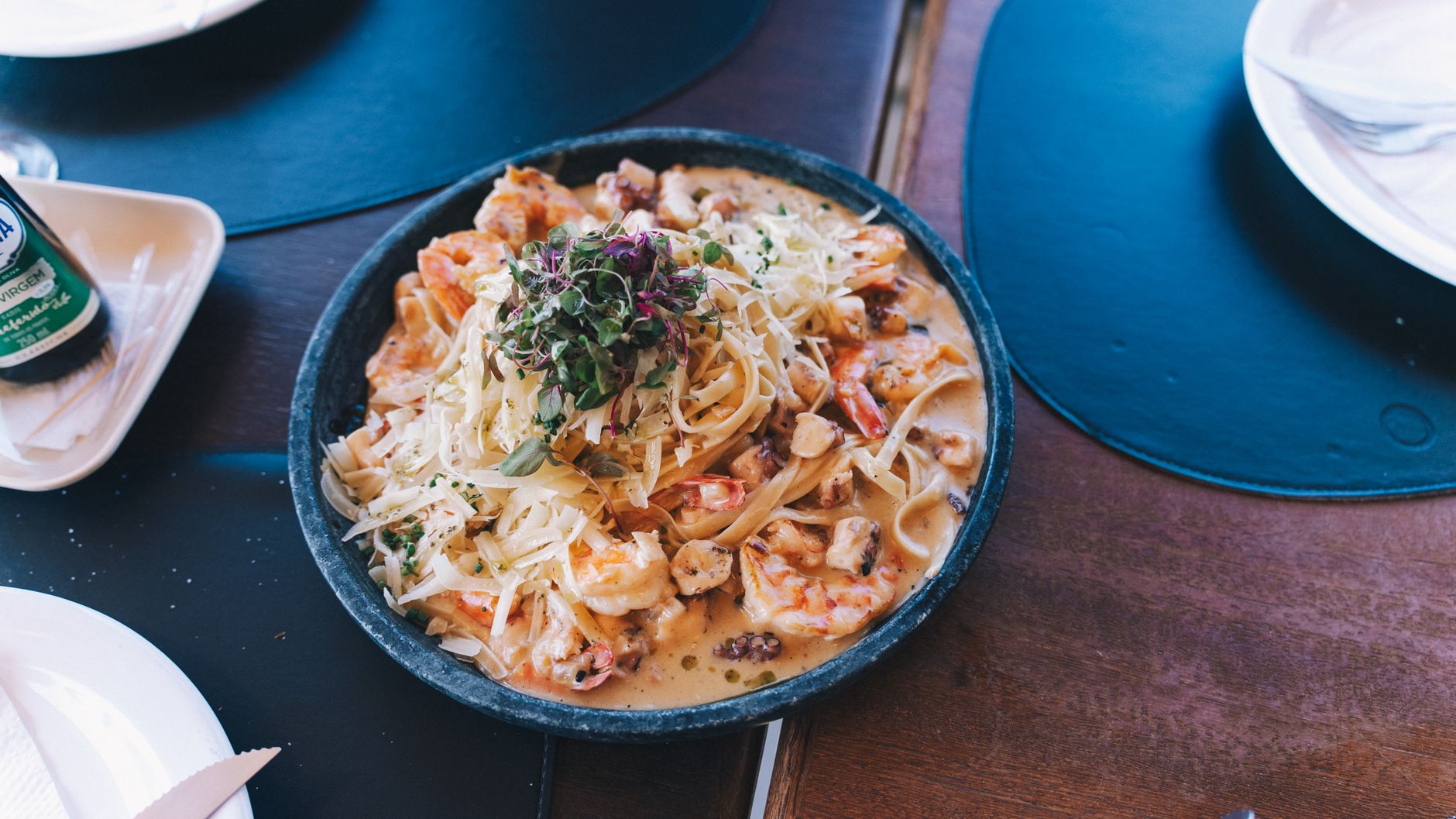
Linguini is a popular type of pasta that is loved for its unique shape and versatility in various dishes. Characterized by its flat, narrow strands, it is often used in seafood-based recipes and creamy sauces. But what exactly is linguini, and how can you best incorporate it into your meals?
This article delves into the ingredients, flavor profile, and serving suggestions for linguini, enabling you to make informed decisions whether you’re cooking at home or exploring different cuisine options.
What Is Linguini?
Linguini is a type of pasta originating from the Liguria region of Italy. Its name translates to “little tongues,” which aptly describes its flat, elongated shape. Made primarily from durum wheat semolina and water, linguini is slightly thicker than spaghetti but narrower than fettuccine, making it ideal for capturing sauces and flavors.
Ingredients Used in Linguini
The foundation of traditional linguini is quite simple. Here are the main ingredients involved:
- Wheat Semolina: Durum wheat semolina is preferred for its high gluten content, allowing the pasta to hold its shape and texture during cooking.
- Water: Pure drinking water is sufficient to hydrate the semolina and form the pasta dough.
- Salt (optional): Some recipes may include salt in the dough for added flavor, but it is primarily sprinkled in the cooking water.
Flavor Profile of Linguini
Linguini has a mild flavor, which makes it a versatile base for many dishes. Its smooth, chewy texture allows it to absorb sauces well, contributing to the overall taste of the meal.
When paired with ingredients like tomatoes, seafood, or creamy sauces, linguini can elevate a dish with added depth. The nuanced flavor profiles of these accompaniments are well complemented by the firm bite of linguini.
How to Cook Linguini
Cooking linguini is straightforward, but some tips will help you achieve the best results:
Basic Cooking Method
- Bring Water to a Boil: Fill a large pot with salted water and bring it to a rolling boil. The general rule is to use about 4-6 quarts of water for every pound of pasta.
- Add Linguini: Carefully add the linguini to the boiling water. Stir it gently to prevent the strands from sticking together.
- Cooking Time: Cook the linguini for 8-10 minutes, or until al dente. Taste a strand a minute or two before the package’s suggested cooking time to determine doneness.
- Drain the Pasta: When cooked, drain the linguini in a colander but reserve some of the cooking water. This starchy water can help adjust the consistency of your sauce later.
- Toss and Serve: Immediately toss the drained linguini with your desired sauce or oil while it’s still hot to absorb the flavors effectively.
Serving Suggestions for Linguini
Linguini can be served in numerous ways, making it adaptable for various tastes and occasions. Here are some popular serving suggestions:
Creamy Sauces
Linguini pairs beautifully with rich, creamy sauces. For example:
- Alfredo Sauce: Toss cooked linguini with a creamy Alfredo sauce made from butter, heavy cream, and Parmesan cheese for a comforting dish.
- Pesto Sauce: A basil pesto brings a refreshing contrast with its herby notes, paired with optional sun-dried tomatoes for added flavor.
Seafood Dishes
The flat shape of linguini makes it ideal for seafood dishes. Some favorites include:
- Linguini alle Vongole: A classic Italian dish featuring linguini tossed with clams, garlic, white wine, and olive oil.
- Linguini with Shrimp: Sautéed shrimp in a garlic butter sauce can complement the pasta wonderfully.
Vegetable-Based Sauces
Vegetable sauces are great for a lighter meal:
- Tomato Sauce: A simple marinara sauce captures the essence of tomatoes, garlic, and herbs, creating a classic dish.
- Vegetable Primavera: Seasonal vegetables sautéed in olive oil with garlic make a fresh, colorful addition.
Cold Dishes
Linguini can also be served cold in pasta salads:
- Linguini Salad: Combine linguini with cherry tomatoes, black olives, feta cheese, and a lemon-olive oil dressing for a refreshing side dish.
Variations and Substitutions
If you’re looking to switch things up or accommodate dietary restrictions, consider these variations:
- Whole Wheat Linguini: A healthier alternative that contains more fiber compared to traditional pasta.
- Gluten-Free Linguini: Made from rice flour or other gluten-free grains, this option is suitable for those with gluten intolerances.
- Veggie Noodles: Spiralized zucchini or carrot can be used for a lower-carb option, although the cooking method will differ.
Common Mistakes When Cooking Linguini
Even the simplest of tasks can lead to mistakes. Here are a few common pitfalls to avoid:
- Not Using Enough Water: Cooking linguini in too little water can result in sticky pasta. Always ensure enough water is used for proper cooking.
- Overcooking the Pasta: Keep an eye on the cooking time and taste the pasta just before it’s done. Overcooked linguini can become mushy.
- Skipping the Salt: Salt enhances the flavor of the pasta. Don’t forget to add it to the boiling water!
- Rinsing the Pasta: Rinsing cooked linguini washes away starches that help sauces cling. Only rinse if making a cold salad.
Storage and Reheating Tips
If you’ve made too much linguini or have leftovers, proper storage and reheating methods are key to maintaining its quality.
Storage
- After cooking, allow linguini to cool to room temperature.
- Place it in an airtight container in the refrigerator for up to 3-5 days.
- For best results, store linguini separately from the sauce to prevent over-saturation.
Reheating
- Stovetop: Place linguini in a pan with a splash of water and cover. Heat on low until warmed through.
- Microwave: Use a microwave-safe dish, adding a few drops of water, cover with a microwave-safe lid and heat in 30-second intervals.
- Oven: Preheat the oven to 350°F (175°C), cover the dish with foil, and heat for about 10-15 minutes.
Conclusion
Linguini is a delightful pasta with diverse applications in both classic and contemporary dishes. Its ability to complement various sauces makes it a staple in many kitchens. Whether served with seafood, tossed in a creamy sauce, or as part of a cold salad, linguini is an ingredient that is sure to impress.
Explore related recipes and cooking tips to make the most of your culinary adventures. Try out our Pasta and Peas Recipe or check out the flavors in the Philly Cheesesteak Pasta Recipe for further inspiration!