
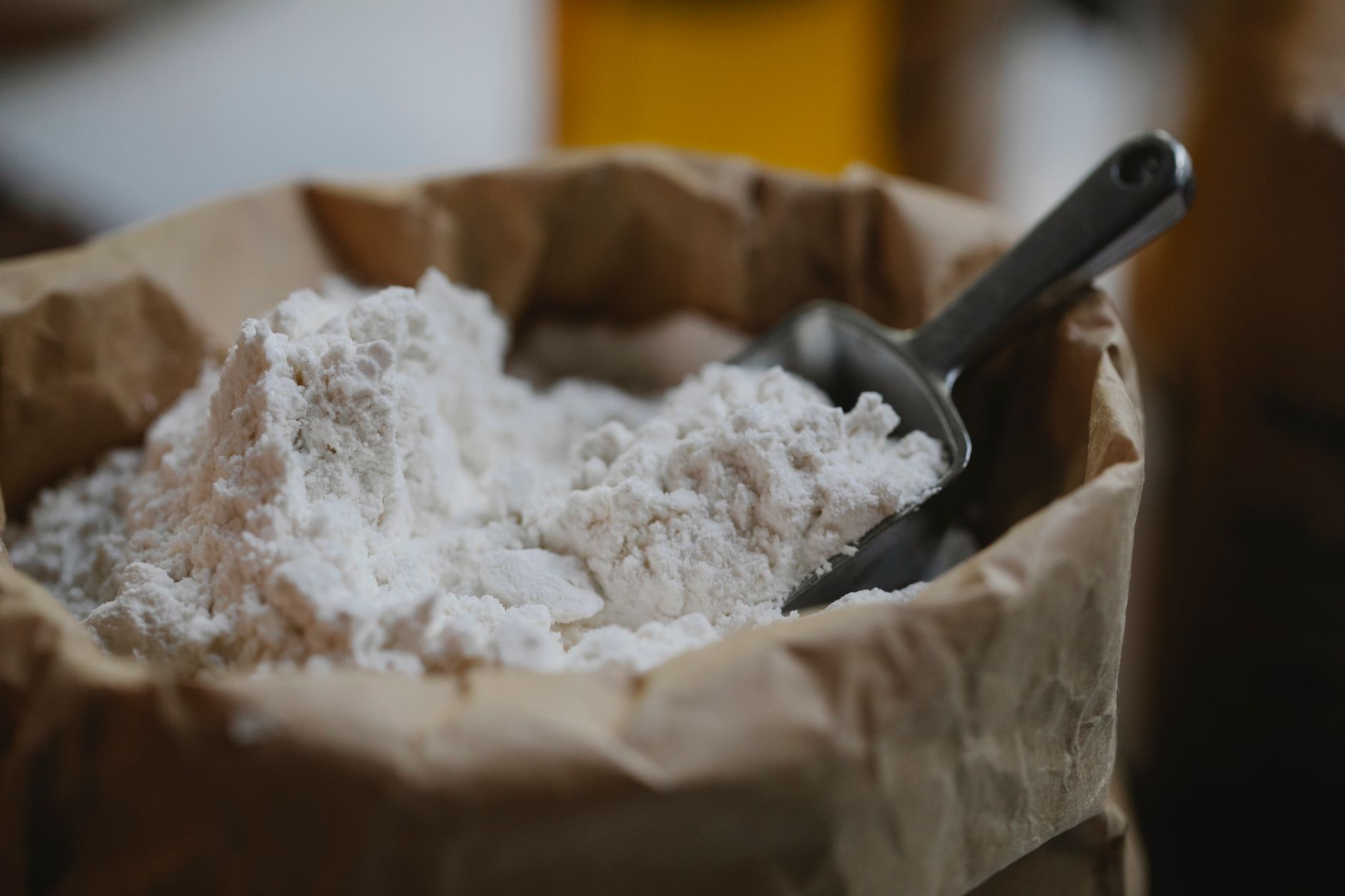
Konjac flour, derived from the konjac root, is an intriguing ingredient gaining popularity in various culinary circles. Known for its thickening properties and low-calorie content, it offers an alternative for those seeking gluten-free or low-carb options.
This article explores what konjac flour is, its unique characteristics, flavor profile, culinary applications, and how it can be utilized in daily cooking and baking.
What Is Konjac Flour?
Konjac flour is a type of flour made from the ground corm of the konjac plant, primarily cultivated in Asia, especially in Japan, China, and Indonesia. The flour is known for its high glucomannan content, a soluble dietary fiber that absorbs water and forms a gel-like consistency.
Because of its texture and thickening capability, konjac flour is often used in low-calorie foods, including noodles and baked goods.
Ingredients of Konjac Flour
The primary ingredient in konjac flour is the konjac root itself (Amorphophallus konjac). The root is rich in fiber, particularly glucomannan, which contributes to its unique properties. The flour is typically produced by drying and grinding the root into a fine powder.
Since konjac flour is naturally gluten-free and carbohydrate-free, it is an excellent choice for various dietary preferences, including vegan and ketogenic diets.
Taste and Texture of Konjac Flour
Konjac flour has a neutral flavor, which means it can easily absorb the flavors of the ingredients it is combined with. This versatility allows it to be used in a variety of dishes without overpowering other flavors.
In terms of texture, products made with konjac flour tend to have a chewy and gel-like consistency. This texture makes it an interesting alternative for creating dishes that mimic traditional pasta or noodle dishes.
Culinary Uses of Konjac Flour
Konjac flour has a multitude of culinary applications, which can enhance your cooking experience. Here are some common uses:
1. Thickeners and Stabilizers
In cooking, konjac flour can be used as a thickening agent for soups, sauces, and gravies. Due to its high fiber content, it can take a small amount to thicken a liquid significantly. This can be especially useful for those looking to reduce calorie counts without sacrificing texture.
2. Noodle Production
Konjac flour is a primary ingredient in making shirataki noodles, an alternative to traditional pasta made from wheat. These noodles boast a very low calorie count and are an excellent addition to low-carb diets.
3. Baking Ingredient
In baking, konjac flour can be used as a gluten substitute or thickening agent in recipes for bread, cakes, and other pastries. It provides structure while keeping the baked goods moist and tender.
4. Egg Replacement
Due to its binding properties, konjac flour can serve as an egg substitute in vegan baking. When mixed with water, it forms a gel that can mimic the function of eggs in recipes.
5. Custards and Puddings
When prepared as a custard or pudding, konjac flour creates a unique texture that is both smooth and creamy. It can be flavored with various extracts and sweeteners, making it ideal for desserts.
How to Use Konjac Flour
Using konjac flour in your cooking can take some experimentation. Here are general guidelines for incorporating this ingredient:
- Thickening Agent: Mix 1-2 teaspoons of konjac flour with 1 cup of liquid. Allow it to sit for several minutes until it thickens.
- For Noodles: Rinse shirataki noodles from the package to remove the strong odor, then sauté in a pan for a few minutes to heat them up.
- Baking: Substitute up to 1/4 cup of konjac flour for flour in traditional recipes. Start with smaller amounts to see how it affects the texture.
- Egg Substitute: Combine 1 tablespoon of konjac flour with 3 tablespoons of water to replace one egg in a recipe.
Practical Substitutions and Variations
For those new to using konjac flour, here are some practical substitutions and variations:
- For Thickening: If konjac flour is not available, other options like cornstarch or arrowroot powder can be used, but they may not provide the same low-calorie benefits.
- In Baking: Other gluten-free flours such as almond flour or coconut flour are also alternatives, though they may give a different flavor and texture.
- Vegan Baking: If you do not have konjac flour for egg replacement, flaxseed meal mixed with water is a common alternative.
Common Mistakes and Troubleshooting
While konjac flour is user-friendly, some common mistakes may arise, such as:
- Using Too Much: Excess konjac flour can lead to overly thickened dishes. Always start small and increase gradually.
- Not Mixing Well: Konjac flour can clump if added directly to hot liquid. It’s essential to mix it with a small amount of cold liquid first to create a slurry before adding it to hot mixtures.
- Ignoring Hydration: When used for baking, don’t forget to adjust moisture levels, as konjac flour absorbs a significant amount of liquid.
Storage and Shelf Life
Konjac flour should be stored in a cool, dry place. Once opened, it can last for about a year if sealed tightly. Always check for signs of moisture or clumping before using, as this can affect its functionality.
It’s advisable to keep the flour in an airtight container to prevent moisture from getting in, which can compromise its texture and performance in recipes.
Final Thoughts and Summary
Konjac flour is a versatile and beneficial ingredient that opens up a world of culinary possibility, especially for those following specific dietary preferences. Its ability to thicken, bind, and provide a unique texture makes it a valuable addition to any kitchen pantry.
By understanding its characteristics and experimenting with its uses, you can enhance your cooking and baking while maintaining health-conscious choices.
For further exploration, consider checking out guides on flour types, such as the difference between bleached and unbleached flour, or find out what might serve as a substitute for coriander in your dishes.
Difference Between Bleached and Unbleached Flour | Substitute for Coriander