
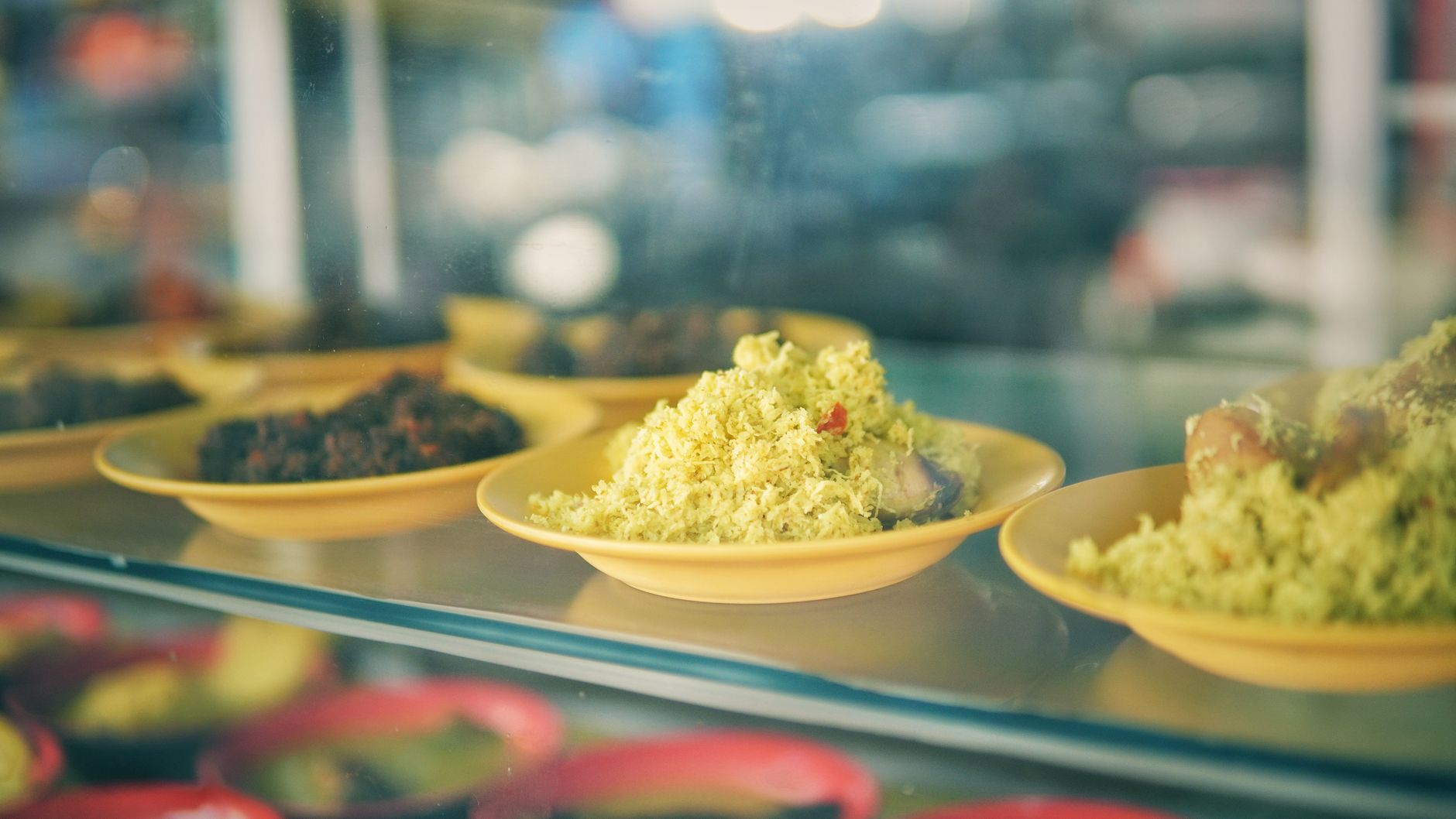
Kitchari is a nourishing dish that originates from Indian cuisine, primarily enjoyed for its simplicity and health benefits. This wholesome meal consists mainly of rice and lentils, seasoned with various spices, and is often promoted for its digestive properties and detoxifying effects.
The flavor profile of kitchari is mild yet delightful, with earthy undertones from the lentils and a fragrant warmth from the spices. This comfort food can be made in various ways, adapting to regional flavors and dietary preferences, making it an excellent choice for anyone looking for a nutritious and easy-to-digest meal.
What Is Kitchari?
Kitchari is a traditional Indian dish made primarily from a combination of rice, dal (split legumes, often mung beans), and spices. This one-pot meal is revered in Ayurvedic cooking and is frequently used for detoxification and cleansing diets due to its balanced and easily digestible nature.
It’s not only nutritious but also versatile, allowing for customization based on personal taste and dietary restrictions. Kitchari is considered a comfort food that can be enjoyed any time of the year, providing warmth and nourishment to the body.
Ingredients in Kitchari
The key ingredients in kitchari are simple yet wholesome. Here’s a breakdown of what you’ll typically need:
- Rice: Basmati rice is commonly used for its fragrant aroma and texture.
- Lentils: Mung dal (split yellow lentils) is the traditional choice, but other lentils such as red lentils or split peas can also be used.
- Spices: Common spices include turmeric, cumin, coriander, and sometimes ginger and black pepper. These not only enhance flavor but also offer various health benefits.
- Vegetables: Optional vegetables such as spinach, carrots, or peas can be added for extra nutrition.
- Ghee or Oil: Ghee adds richness and flavor, but vegetable oil or coconut oil can be used for a vegan option.
- Salt: To taste, enhancing the overall flavor of the dish.
- Water or Broth: To cook the rice and lentils thoroughly.
Flavor Profile of Kitchari
The flavor of kitchari is simple yet satisfying, with a light and wholesome taste. The rice contributes a neutral, chewy base, while the lentils offer creaminess and substance. The primary spices, especially turmeric, provide warmth and earthiness, making it a comforting dish.
Depending on the specific spices used, kitchari can range from mildly spicy to warmly aromatic. Adding ginger or a dash of chili can introduce a bit more heat, while fresh herbs like cilantro as a garnish can brighten the flavors.
How to Serve Kitchari
Kitchari can be enjoyed on its own or as a side dish. Here are some suggestions on how to serve it:
- Toppings: Garnish with fresh herbs like cilantro or parsley, a squeeze of lemon, or a dollop of yogurt for added flavor and creaminess.
- Pairings: Serve alongside a simple salad or steamed vegetables for a complete meal.
- Storing: Kitchari can be made in larger batches and storing leftovers in the refrigerator for quick meals throughout the week.
How to Make Kitchari
Making kitchari is straightforward and can be completed in about 30-40 minutes. Here’s a step-by-step guide:
Yield: 4 servings
Preparation Time: 10 minutes
Cooking Time: 30 minutes
Total Time: 40 minutes
Ingredients List
- 1 cup basmati rice, rinsed
- 1 cup mung dal (split yellow lentils), rinsed
- 1 teaspoon turmeric powder
- 1 teaspoon cumin seeds
- 1 teaspoon coriander powder
- 1 tablespoon ghee or coconut oil
- 4 cups water or vegetable broth
- Salt, to taste
- Optional: diced vegetables (carrots, peas, spinach), ginger, or chili pepper
Essential Equipment
- Large pot or pressure cooker
- Wooden spoon or spatula
- Measuring cups and spoons
- Cutting board and knife (for chopping vegetables)
Method
- Heat the ghee or oil in a large pot over medium heat. Add cumin seeds and let them sizzle for about 30 seconds until fragrant.
- Add the turmeric and coriander powder, stirring for 10 seconds before adding the mung dal and rice. Mix everything to coat the grains in the spice mixture.
- Pour in the water or broth and add salt to taste. If using vegetables, add them at this point.
- Bring the mixture to a boil, then reduce the heat to low. Cover the pot and let it simmer for about 30 minutes or until the rice and dal are tender.
- If using a pressure cooker, cook at high pressure for about 8-10 minutes and then allow natural pressure release.
- Once cooked, stir everything together until well combined. Adjust the consistency by adding more water if it seems too thick.
- Serve warm, garnished with fresh herbs and a squeeze of lemon if desired.
Practical Substitutions and Variations
Kitchari is highly adaptable, allowing for various substitutions based on availability and preference:
- Rice: Any type of rice can work, though brown rice will need a longer cooking time.
- Lentils: Red lentils can be substituted, but they will cook faster and result in a creamier texture.
- Vegetables: Feel free to add any seasonal vegetables you have on hand. Zucchini, bell peppers, or sweet potatoes can be excellent additions.
- Spices: Personalize the spice blend by adding garam masala or bay leaves for additional depth of flavor.
Common Mistakes and Troubleshooting
Here are a few common pitfalls when making kitchari and how to avoid them:
- Overcooking: Be mindful of cooking times. Overcooked lentils and rice can turn mushy. Aim for a tender yet firm consistency.
- Dryness: If the kitchari seems too dry, add more water during cooking. It should have a porridge-like texture.
- Flavor balance: Taste as you go! Adjust spices and salt to ensure a well-balanced flavor.
Storage and Reheating Guidance
Kitchari can be made in advance and stored for later meals. Here’s how to handle storage:
- Cooling: Allow the kitchari to cool to room temperature before storing.
- Refrigeration: Store in an airtight container in the fridge for up to 3-4 days.
- Freezing: Kitchari can be frozen for up to 2 months. Portion it into containers for easy meals.
- Reheating: Reheat in a pot over low heat, adding a splash of water to restore moisture. You can also microwave portions until heated through.
Nutritional Information
While we won’t provide exact nutritional values, it’s worth noting that kitchari is rich in fiber, protein, and essential nutrients. The combination of rice and lentils makes for a complete protein source, and the added vegetables enhance the nutritional profile, making it a wholesome meal.
Health and Wellness Considerations
Kitchari is often recommended in detox diets due to its simple ingredients and light nature. It is considered easy on the digestive system, making it a great option for those recovering from illness or looking for a reset.
However, if you have specific dietary concerns or allergies, always check the ingredient list and modify as needed. For instance, those with a gluten sensitivity can rest assured that kitchari is naturally gluten-free.
Final Thoughts
Whether you’re looking for a comforting meal or a light diet option, kitchari is a versatile dish suitable for various occasions. Its simple ingredients and delightful flavors make it a staple in many Indian kitchens and a fantastic introduction to Ayurvedic cooking methods.
For more delicious recipes, explore our Chia Pudding Recipe or check out our Moong Dal Recipe to further your culinary adventures.